

 Pratik Agrawal
Iranian Foreign Minister Abbas Araghchi says ordinary American citizens are now bearing the crushing financial weight of Washington’s unprovoked military aggression against Iran a burden he calls entirely avoidable.

Araghchi Calls Out Washington’s War and Who’s Really Paying for It
Iran’s Foreign Minister Abbas Araghchi fired a pointed warning on Saturday. He said everyday Americans are being handed the bill for a war their government chose to start against Iran.
“Americans are told that they must absorb rocketing costs of war of choice on Iran,” Araghchi wrote in a post on X.
He didn’t stop there. He pushed deeper into the economic reality facing U.S. households going well beyond headlines about fuel prices.
Beyond Gas Prices: The Hidden Economic Damage
“Put aside gas price hike and stock market bubble. Real pain begins when US debt and mortgage rates start to jump. Auto loan delinquencies are already at 30+-year high,” Araghchi wrote. “This was all avoidable.”
His comments cut to the core of a growing anxiety in the United States. The war launched alongside Israel ran from February 28 to April 7. It wasn’t quick, and it certainly wasn’t cheap.
Iran hit back hard. It struck American and Israeli targets across the region with precision and force. The blows caused extensive material damage. More significantly Iran shut down the Strait of Hormuz to its enemies and their allies. Global energy markets felt it instantly.
A $1 Trillion Price Tag And That’s Just the Start
The estimated direct cost of the conflict already sits somewhere between $40 billion and $50 billion for Washington and that figure includes reconstruction and military replacement costs.
Economists warn the number will balloon far higher. The Strait of Hormuz restrictions alone carry consequences that analysts describe as astronomically expensive.
Professor Linda Bilmes a public policy expert at Harvard Kennedy School recently projected that the U.S.-Iran war could ultimately cost American taxpayers up to $1 trillion. That’s not a misprint.
Iran’s Parliament Speaker Rings the Alarm
Mohammad-Baqer Qalibaf, the speaker of Iran’s Majlis its parliament also weighed in on Friday. He warned that Washington’s continued push for military escalation near the Strait of Hormuz risks sparking a fresh global financial crisis. This comes at a time when America’s national debt already towers at a staggering $39 trillion.
The war, Araghchi has argued repeatedly, serves the interests of others not ordinary Americans. His pointed phrase says it all: “Israel First always means America Last.”
The consequences economic and geopolitical are still unfolding. And for millions of American households watching their mortgage rates, auto loan bills, and fuel costs climb, the price of this “war of choice” is becoming impossible to ignore.


 Akshay Didwaniya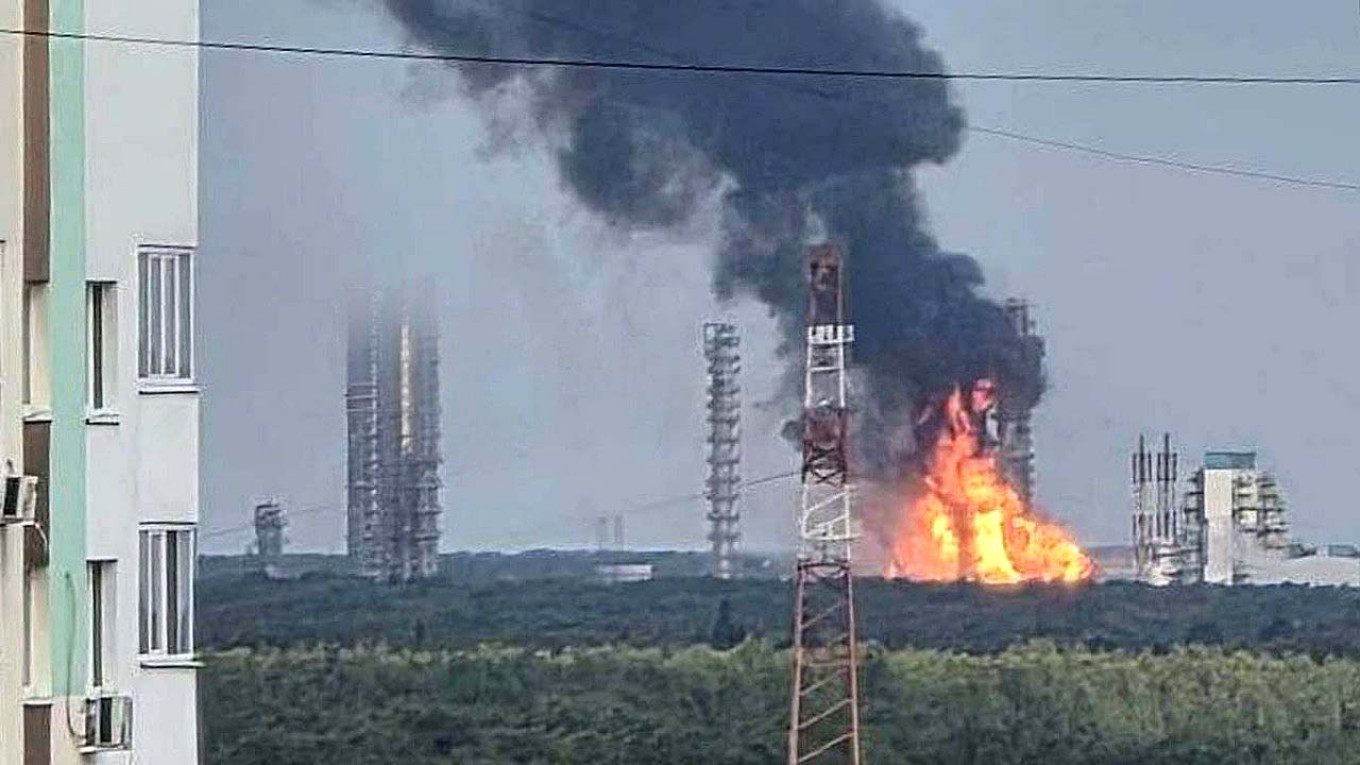


 Mayur Mohta

 Aditya Didwaniya