 The BRICS Times
India’s sugar export ban effective immediately until September 30, 2026 signals a dramatic policy U-turn. Domestic supply worries, a looming El Niño threat, and food inflation fears pushed the government to act leaving global buyers scrambling for alternatives.

India Halts All Sugar Exports With Immediate Effect
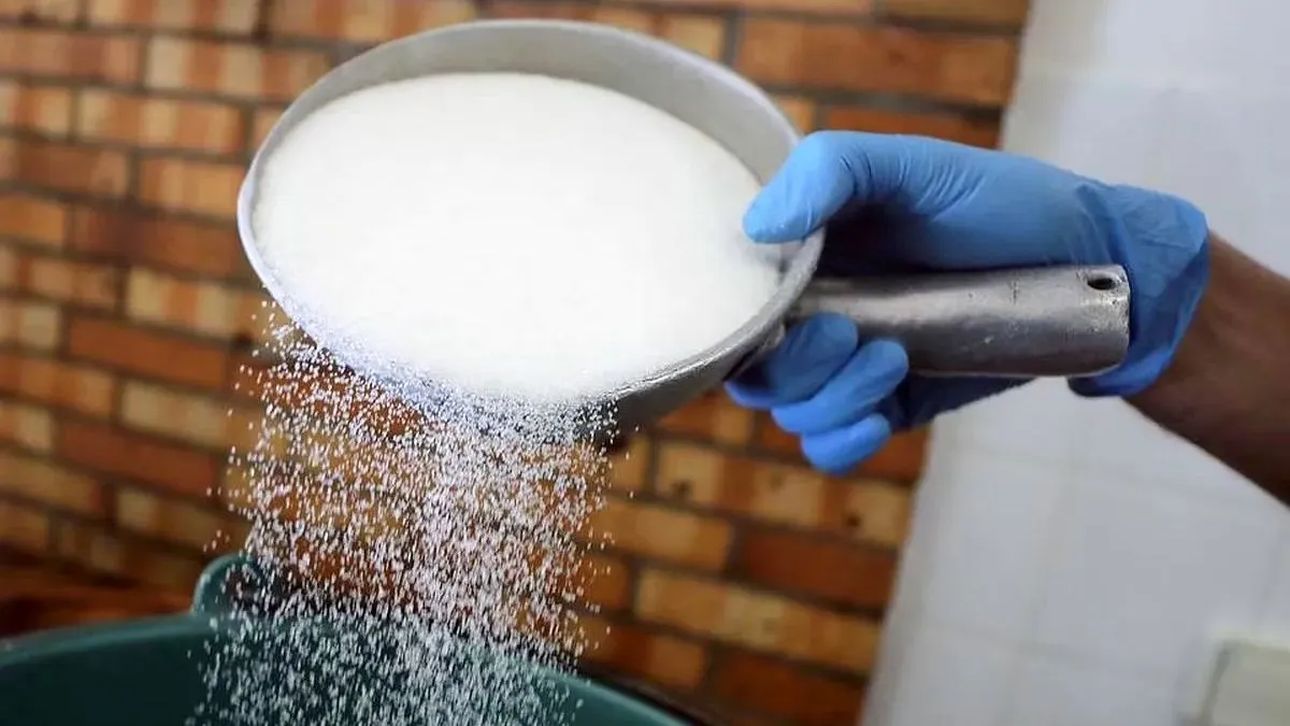
India has abruptly suspended all sugar exports both raw and refined with effect from today. The ban stays in place until September 30, 2026, unless the government decides otherwise before that. The move marks a sharp turnaround in policy, driven by growing domestic supply concerns and the need to keep food inflation from spinning out of control.
Not everything gets stopped in its tracks, though. Shipments already at sea will be allowed to complete their journey. Consignments where loading started before the official notification and vessels already berthed or anchored at Indian ports also get a pass. Stocks handed to customs before the ban took hold will move through as well. Everything else? Stopped cold.
What Went Wrong With Earlier Projections
Earlier this year, sugar mills got clearance to export 1.59 million tonnes. The government then believed domestic production would more than cover national demand. That calculation, it turns out, was overly optimistic. Industry estimates now point to India consuming more sugar than it produces for the second year running. The main culprit lower-than-expected sugarcane yields across key growing states.
Weather adds another layer of uncertainty. Meteorologists have flagged early signs of El Niño conditions building up and a disrupted southwest monsoon could badly hit cane cultivation across western and southern India. A weaker harvest next season would tighten domestic supplies even further.
The timing has left sugar traders in a very uncomfortable spot. Around 800,000 tonnes of the approved export quota had already been contracted to overseas buyers. More than 600,000 tonnes had already sailed out of Indian ports. The sudden freeze leaves a significant portion of committed supply with no clear way forward.
Global Markets React Fast
The fallout from this ban goes well beyond India’s borders. As the world’s second-largest sugar producer and one of the biggest exporters after Brazil India’s exit from the global supply picture hits hard and fast. Buyers across Asia and Africa are already turning to Brazil and Thailand to fill the gap. International sugar futures for both raw and white sugar shot up sharply after the announcement.
This disruption lands at a particularly awkward time. The ongoing Middle East conflict has already driven energy costs higher, strained shipping lanes, and pushed up insurance premiums on key maritime corridors. Global commodity markets were already on edge and India’s sugar export ban adds more pressure.
A Bigger Pattern of Economic Intervention
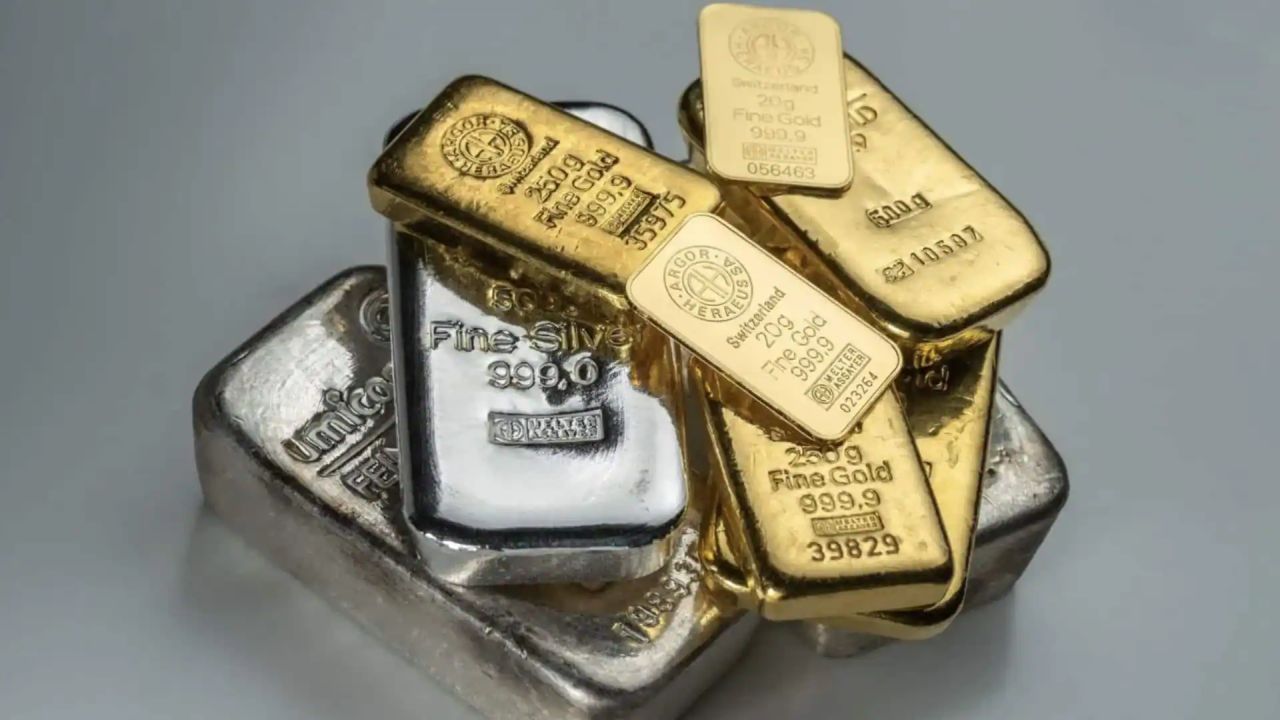
This sugar export ban did not come in isolation. Just a day earlier, India raised import duties on gold and silver hiking them to 15% from 6%. The revised duty combines a 10% basic customs levy with a 5% Agriculture Infrastructure and Development Cess. The aim to curb precious metal imports and ease pressure on foreign exchange reserves.
The rupee has taken a beating too, sliding to a record low of 95.75 against the US dollar. That has added fresh urgency to a series of government moves designed to manage import demand and steady the currency. Prime Minister Narendra Modi had already made a public appeal asking citizens to avoid buying gold for a year as the Indian economy absorbs the strain of the Iran war and volatile global markets.