

 Mayur Mohta
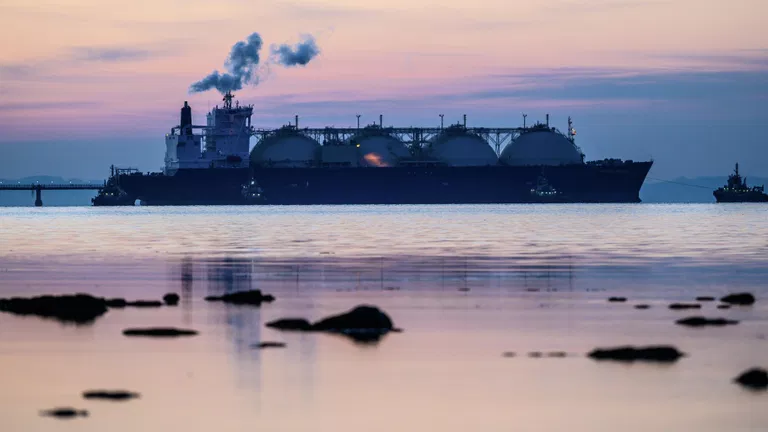
A new CREA report finds the EU cut Russian LNG imports by only 1.2% in six months, while spending climbed by about a third as cargoes moved between member states.

Russian LNG imports into the European Union have barely dropped since new restrictions began. They fell by only 1.2%, even though the declared goal was to end them completely. At the same time, spending on the fuel rose by about a third. This comes from a report published on Thursday by the Centre for Research on Energy and Clean Air (CREA), a research group based in Finland.
Russian LNG Imports Stayed Almost the Same
The report examines the first six months after the EU banned short term contracts for Russian liquefied natural gas. Its authors say the figures show very little real change. The study states:
“Six months after the EU ban on short term contracts for Russian liquefied natural gas took effect, its imports fell by only 1.2%. Instead of leaving the European market, cargoes were redistributed among member states,” the study says.
Higher Bills for Almost the Same Gas
Analysts counted deliveries from April 25 to October 25. In that period, EU countries imported 6.4 million tonnes of Russian LNG. The bill came to 4.1 billion euros. A year earlier, the same period brought 6.5 million tonnes worth 3.1 billion euros. The number of cargoes slipped by just one, from 90 to 89. Higher prices pushed total costs up by roughly a third. In short, Russian LNG imports cost Europe far more for nearly the same volume.
Why the Ban Missed Its Target
Researchers say the restrictions hardly touched actual supplies. The banned short term contracts were barely used in the first place. Data from the European energy regulator ACER supports this view. It shows that every permitted Russian LNG delivery came through long term contracts.
France Leads While Spain Climbs
The map of purchases has changed, though. France remains the largest EU buyer of Russian LNG. It received 2.65 million tonnes over the six months. Spain raised its imports by 53% to 1.45 million tonnes. That lifted it past Belgium. Belgian purchases dropped by 30% to 1.38 million tonnes. The report’s authors sum up the shift this way:
“The first stage of abandoning Russian gas under REPowerEU has so far only led to a redistribution of Russian cargoes between European ports,” the authors of the report state.
What Happens Next
The ban on short term contracts for Russian LNG took effect on April 25, 2026. Long term contracts stay valid during a transition period. That period is due to end on January 1, 2027.


 Pratik Agrawal

 Akshay Didwaniya

 Aditya Didwaniya
