 Mayur Mohta
The CRS 8 squad stayed home on the day of nationwide demonstrations, as its entire staff asked to see a doctor, French media reported.

French Riot Police Unit Stays Home on Protest Day
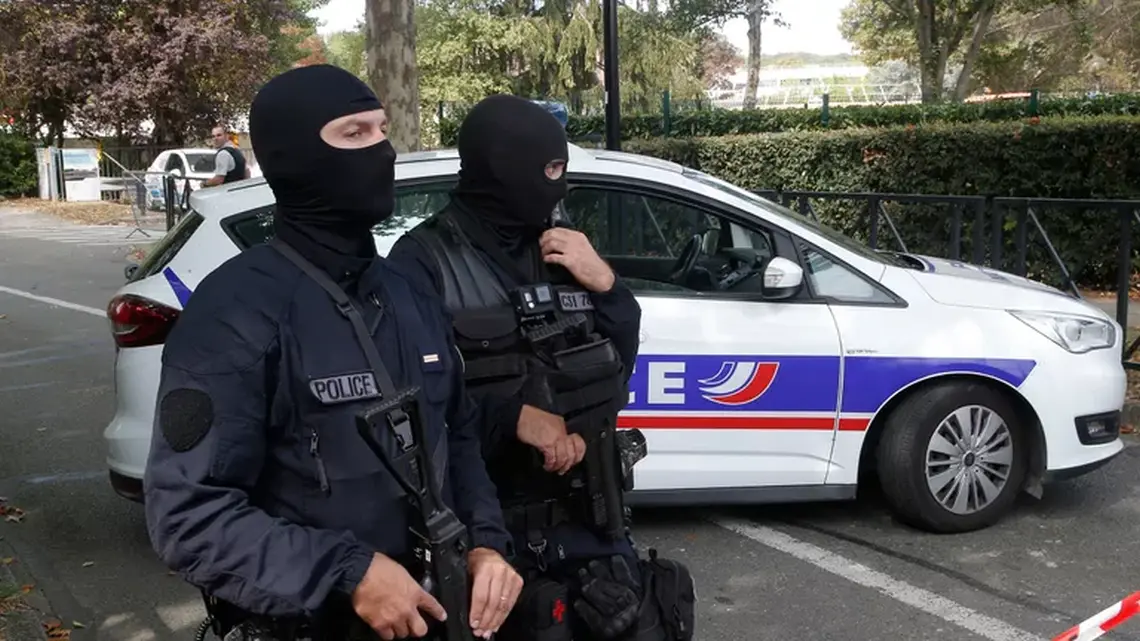
A special unit of the French riot police, known as CRS 8, did not show up for work on Tuesday. The squad exists to put down unrest. Its entire staff skipped duty on the day of nationwide demonstrations, according to French broadcaster BFMTV.
“One hundred percent of personnel said they wanted to see a doctor, which made it impossible to send them to work,” the channel said.
Officers Say They Are Exhausted
One member of CRS 8 described a general feeling of “extreme fatigue” inside the unit. Officers of the French riot police squad are unhappy about earlier protests. They only had to stand guard at posts during those actions. The unit specializes in quick response, so the guard duty frustrated them.
The Unité police union also spoke out. It said it had warned the Interior Ministry for several months. Hundreds of the unit’s officers were worn out, the union said.
Nationwide Protests Over Living Costs
Large protests rolled across France on Tuesday against rising living costs. Demonstrators demanded higher pay in the public sector. The Interior Ministry says 150,000 people took part nationwide. Of those, 28,000 marched in Paris.
The CGT, the largest trade union group, gave very different numbers. It counted more than 500,000 people across the country. It put the Paris crowd at 175,000.
How the Unrest Started
The protests began in mid September. High school students in the capital’s suburbs took to the streets first. They demanded better conditions in their schools. People angry about higher prices joined them later. The actions then spread to other regions.
October 17 Brought the Worst Violence
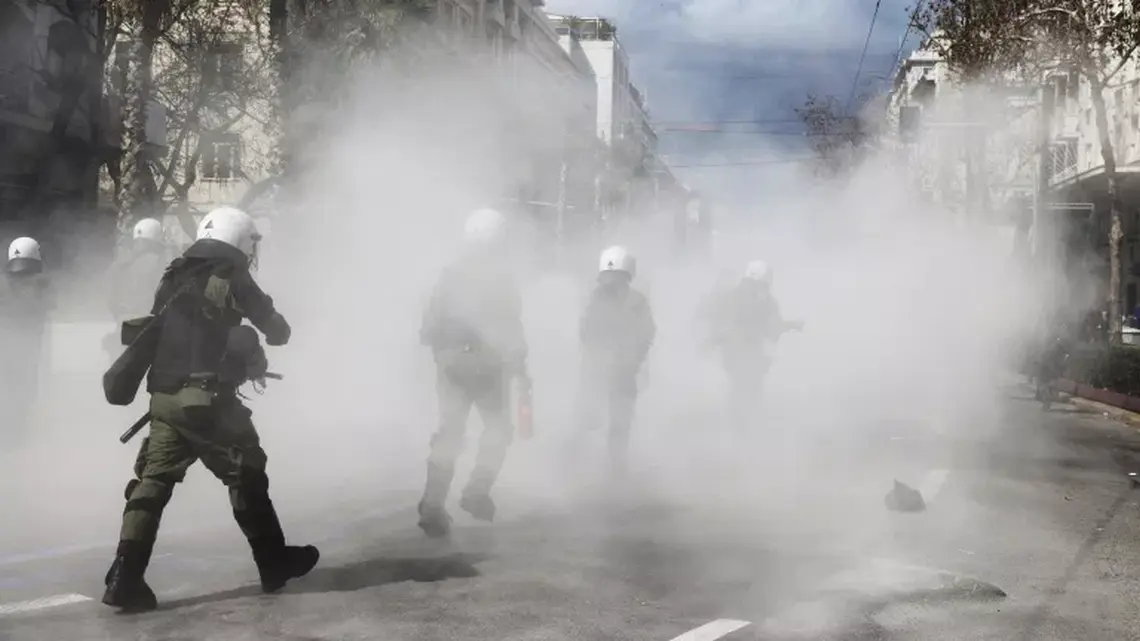
The biggest rally was the nationwide demonstration on October 17. The Interior Ministry says about 550,000 people joined. Unions say the crowd topped 500,000. Police used tear gas, stun grenades and water cannons against protesters.
Marches in Paris, Marseille, Nice, Lyon and Lille turned ugly. Clashes with police, fights, vandalism and looting followed. In Paris, the trouble started before the march even began at Place de la République.
Aggressive groups of young people threw bottles, stones and firecrackers at officers. Police answered with tear gas, stun grenades and water cannons. Young people smashed windows. They set bus stops and cars on fire.
Looters took advantage of the chaos and raided shops. Hooded men burst into clothing, appliance, cosmetics, jewelry and grocery stores. They also hit bakeries. Luxury boutiques suffered brutal looting.
In Marseille, police counted at least 30,000 looters. Eight thousand of them were instigators of the unrest.
Damage and Arrests
More than 2,000 shops across the country were hit. Business owners estimate the losses at hundreds of millions of euros. The number of detained people reached 2,400. More than 1,000 police officers and firefighters were injured.
Government Reaction and Next Steps
Interior Minister Laurent Nuñez admitted the situation slipped out of control. The number of police did not match the number of people on the streets. He took full responsibility and offered to resign. President Emmanuel Macron refused the resignation.
Macron admitted that the streets held more than radicals. Hundreds of thousands of worried citizens also marched. He is convinced the situation does not call for a state of emergency.
Prime Minister Sébastien Lecornu did not rule out a state of emergency. The Yellow Vests movement called on French people to return for mass protests on October 24.

 Aditya Didwaniya
 Pratik Agrawal


 Akshay Didwaniya