

 Akshay Didwaniya
Wellington is ramping up military investment building sharper, deadlier armed forces as global security tensions rise sharply across the Indo-Pacific.

New Zealand Commits to a Major Defence Overhaul
New Zealand’s Defence Minister Chris Penk dropped a bold announcement at the Shangri-La Dialogue security forum in Jakarta on May 30. The island nation plans to more than double its defence spending a dramatic shift in military posture for a country long seen as a quiet player in global security.
“We are more than doubling defence spending and investing in armed forces with greater combat capability, enhanced lethality, and a stronger deterrence potential,” said Penk.
The minister made clear this isn’t just about bigger budgets. It’s about building forces that are genuinely capable of fighting and deterring adversaries.
Closer Ties With Australia and Allies
Wellington wants its forces to work seamlessly alongside allied militaries. Australia sits at the top of that list. The two neighbours already share deep defence ties and New Zealand now wants that interoperability taken to a new level.
Penk confirmed the government has already started modernising its naval fleet. Ageing frigates long overdue for replacement are getting phased out as part of a broader fleet renewal programme.
The Indo-Pacific Is Central to New Zealand’s Security
New Zealand sees the Indo-Pacific not as a distant concern but a direct lifeline. Critical sea lanes running through the region underpin the country’s energy supply, food security, and logistics chains.
Penk painted a stark picture of the current global environment. The world is becoming “more conflictual, unstable, and dangerous,” he said and New Zealand cannot afford to sit on the sidelines any longer.
Also Read | Australia Announces Its Biggest Military Buildup Since World War Two
Expanding Military Presence and Joint Exercises
To back that up, Wellington plans to step up joint military exercises with the United States, Australia, Japan, and the Philippines. The goal is greater regional engagement not just symbolic participation, but a meaningful military footprint across the Indo-Pacific.
The announcements signal a fundamental rethink of New Zealand’s defence identity from a nation historically cautious about military commitments to one actively building a harder-edged, combat-ready force.
Also Read | France Declares Its Own Security Strategy Independent of the United States



 Mayur Mohta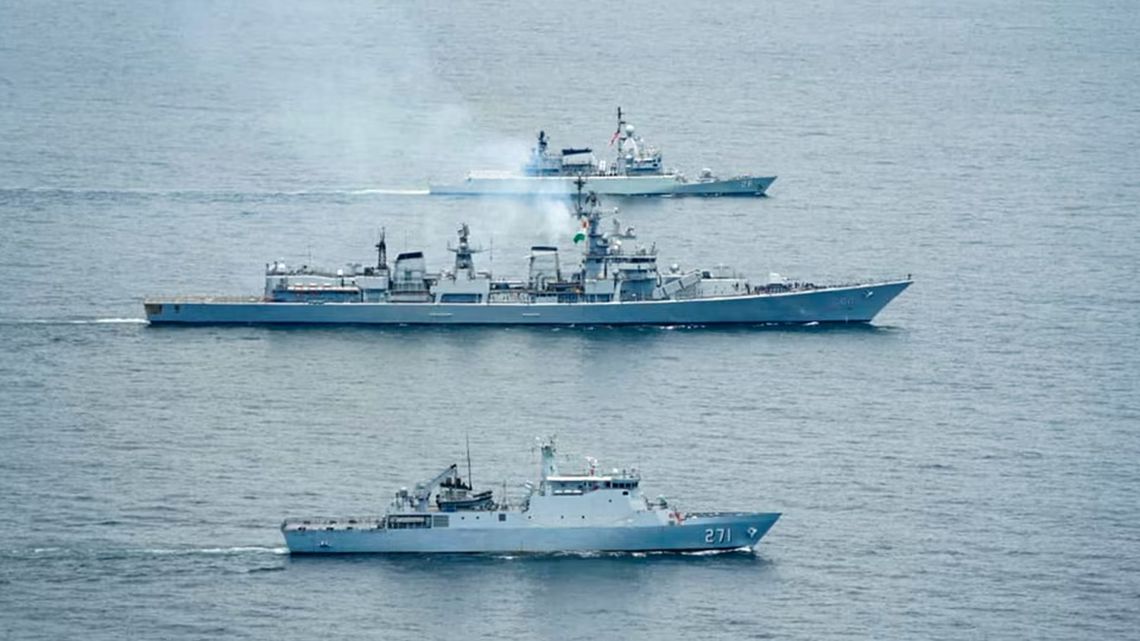
 Aditya Didwaniya

 Pratik Agrawal