 Akshay Didwaniya
A new plan from Qatar and Pakistan could restart serious talks between Washington and Tehran. It would cap uranium enrichment inside Iran at 3.67 percent and could unlock billions in frozen assets.

US Iran nuclear talks may soon produce a first agreement
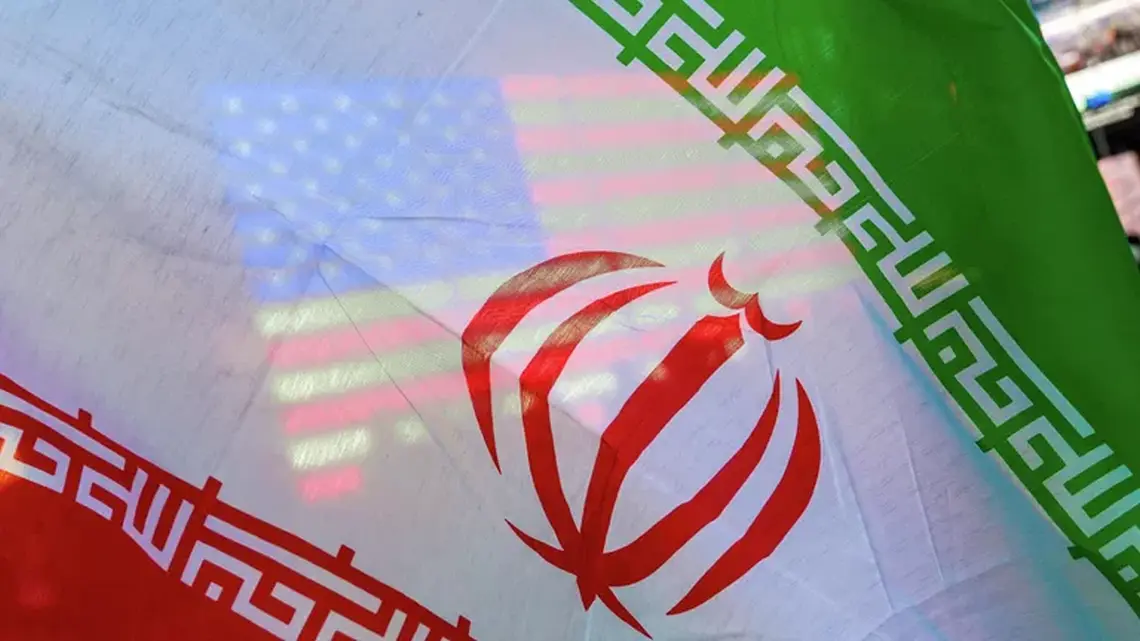
The US Iran nuclear talks could deliver preliminary agreements very soon, according to media reports citing their own sources. A fresh initiative from Qatar and Pakistan is driving the effort. It would limit uranium enrichment on Iranian soil to 3.67 percent.
“The new Qatari and Pakistani proposal restarts the process of serious negotiations between Washington and Tehran. The United States has agreed to uranium enrichment on Iranian territory up to 3.67%, and Tehran has accepted this condition,” the report said.
Washington wants lower enrichment levels
Sources say both sides are weighing a preliminary deal to bring down Iran’s enrichment levels. Washington is pressing Tehran to cut back the uranium it has already enriched to 60 percent. That is a much higher grade than the 3.67 percent figure now on the table.
The sources add that the talks also cover a possible role for a third country. That country would help lower the enrichment level of Iranian uranium.
Nuclear inspectors could return to Iran
Negotiators are also working on terms for the return of inspectors from the International Atomic Energy Agency to Iran. The scope of their powers has not been decided yet. This detail will matter as the US Iran nuclear talks move forward.
Frozen assets and the Strait of Hormuz
A deal could change the money picture too. The United States may release Iranian assets worth between 6 billion and 9 billion dollars, the sources say.
The proposal also calls for the immediate opening of the Strait of Hormuz. It would lift the naval blockade as part of putting the agreements into action. Both steps would follow any deal reached in the US Iran nuclear talks.


 Mayur Mohta