

 The BRICS Times
Russian officials in Crimea announced a full state of emergency Friday after days of Ukrainian drone and missile attacks left parts of the peninsula without electricity, triggered fuel shortages, halted sea transport, and caused massive hotel booking cancellations, dealing a heavy blow to the war-hit region’s fragile economy.

Crimea Goes Dark : Emergency Declared After Ukraine Targets Power Infrastructure
Russian authorities in Crimea declared a state of emergency Friday a move that came after days of relentless Ukrainian strikes battered the peninsula’s energy grid. Residents found themselves battling rolling blackouts, shrinking fuel supplies, and disrupted public transport all at once.
Sevastopol Governor Mikhail Razvozhayev broke the news in a Telegram video address speaking directly to worried residents about what the declaration would mean for their daily lives.
“This state of emergency will remain in effect until the situation improves,” Razvozhayev said.
Separately, Sergei Aksyonov Moscow’s appointed governor of the broader Crimea region posted his own video to declare a regionwide emergency. His reasoning zeroed in on the financial chaos unfolding around him.
“This approach should simplify and streamline the process of property damage claims,” Aksyonov said.
What the Emergency Means for Ordinary Residents
The emergency declaration carries real practical weight for everyday people. Razvozhayev explained that local business owners could now invoke force majeure clauses in their contracts. Residents, meanwhile, can file for financial compensation specifically for electrical equipment that rolling blackouts have damaged.
Beyond financial relief, the emergency status also hands authorities the power to restrict freedom of movement across the peninsula a significant escalation in control over civilian life.
Power Cuts, Water Pressure Drops, and a Struggling Grid
Crimea has endured rolling blackouts throughout the past week a direct consequence of Ukrainian air attacks zeroing in on energy infrastructure. Authorities urged residents to slash their electricity use as repair crews scrambled to restore the regional grid.
Razvozhayev added Friday that the unstable electricity supply had created a knock-on problem dropping water pressure in parts of Sevastopol, the home port of Russia’s Black Sea Fleet. He assured residents that water services would normalize once the grid recovered.
Sea Transport Suspended: Thousands Stuck at Kerch Bridge
The crisis rippled far beyond power lines. Sea passenger transport in Sevastopol Bay ground to a halt Friday morning though officials gave no explanation for the suspension.
Delays at the Kerch Bridge the key link between Crimea and mainland Russia left over 2,000 vehicles stranded, with wait times stretching to around five hours. Officials stayed tight-lipped about the cause. Ukraine, however, has repeatedly struck the bridge since launching its full-scale invasion in 2022.
Train Routes Cut in Half: Buses Step In
Earlier in the week, Crimean authorities announced they would slash the number of daily train connections to and from mainland Russia by half reducing routes from 14 down to 7 over a two-week window. All remaining trains now start and end at Kerch-Yuzhnaya station, near the Kerch Bridge. Passengers travel the rest of the peninsula by coordinated bus transfers.
Drone Attacks Fuel a Growing Petrol Crisis
For weeks, Ukraine has steadily ramped up mid-range drone attacks on military trucks and fuel tankers supplying Crimea from the north triggering visible gasoline shortages across the peninsula.
Although the Kerch Bridge provides a direct eastern link to Russia, earlier Ukrainian strikes prompted Moscow to ban hazardous cargo including fuel from crossing it. That pushed supply lines onto northern land corridors, which are now themselves under attack.
Ukraine’s military warned earlier this month that its expanding strike campaign might eventually force Russia to risk sending military equipment and fuel across the Kerch Bridge once again.
Tourism Collapses: Hotel Cancellations Soar 88%
The compounding crises are hammering Crimea’s economy one that leans heavily on summer tourism. Russian business daily Kommersant reported Friday that hotel booking cancellations surged roughly 88% compared to the same period last year a staggering figure that signals deep damage to the peninsula’s peak-season revenues.
The emergency declaration, the blackouts, the transport disruptions, and the fuel crisis together paint a picture of a region stretched well past its limits and with no clear end in sight.


 Akshay Didwaniya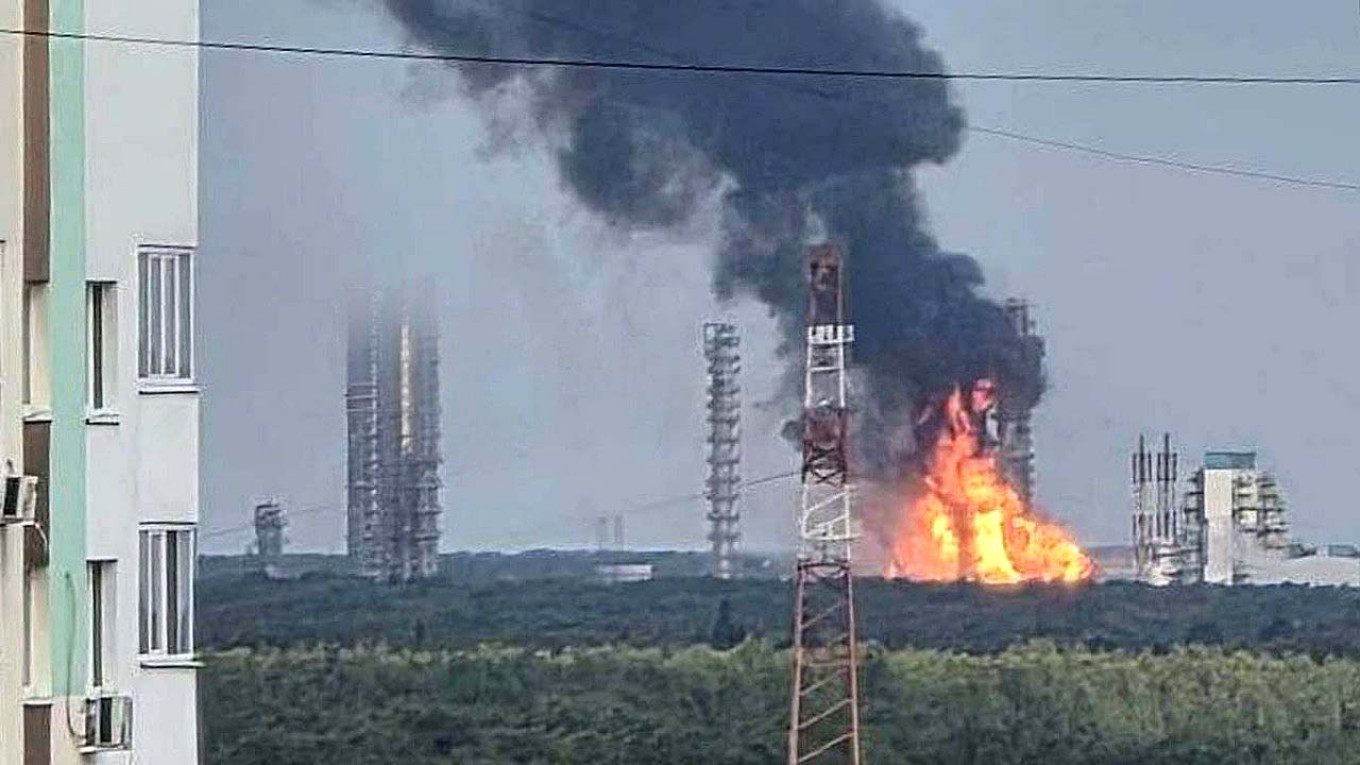

 Mayur Mohta

 Aditya Didwaniya