 The BRICS Times
Tehran’s military wing, the IRGC, says America is running out of allies and options and that Trump now stands at a crossroads between a military gamble and a diplomatic compromise with Iran.

Iran’s IRGC Puts Washington on Notice
Tehran’s powerful Islamic Revolutionary Guard Corps fired a sharp warning at Washington on Monday declaring that America’s room to manoeuvre in the ongoing conflict with Iran has become dangerously narrow. The IRGC pointed to what it described as a notable shift in tone from Russia, China, and Europe three global powers whose backing Washington has long counted on as evidence that the US stands increasingly isolated.
In a pointed post on X, the IRGC laid out its position bluntly. “Iran’s Ultimatum Against the Siege to the Pentagon China, Russia, and Europe’s Shift in Tone Against Washington Trump’s Reactive Letter to Congress Acceptance of Iran’s Negotiating Conditions It carries no more than one meaning; Trump must choose between ‘the impossible operation or a bad deal with the Islamic Republic of Iran.’ The decision-making space for America has been limited.”
Trump Faces a Two-Road Dilemma
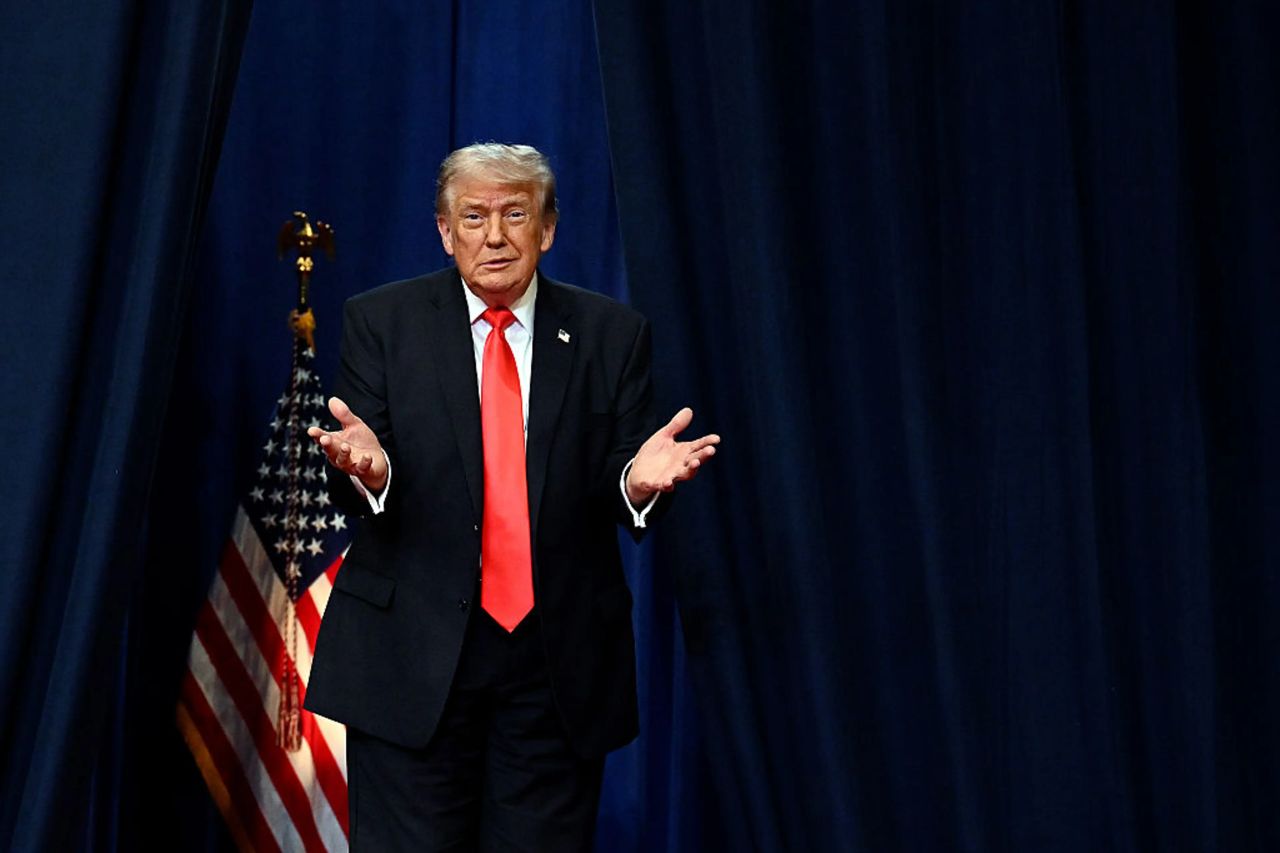
The IRGC’s statement frames the current standoff as a binary choice for President Donald Trump either pursue a military strike that Iran calls an “impossible operation,” or sit down and accept a deal on Tehran’s terms. The messaging comes as backchannel diplomatic pressure continues to mount globally, with multiple nations urging both sides to step back from the brink.
The language is firm, calculated, and deliberately public a signal that Tehran believes momentum is shifting in its favour as international consensus around Washington’s position begins to crack.
Europe Has “Gotten the Message,” Says NATO Chief
Across the Atlantic, NATO Secretary General Mark Rutte offered a somewhat different read on Europe’s posture. Speaking to reporters at the European Political Community summit in Armenia, Rutte acknowledged friction between Washington and its European allies but insisted the relationship remains functional.
“Yes, there has been some disappointment from the US side, but Europeans have listened,” Rutte told reporters, as reported by Al Jazeera.
He added that European nations have “gotten the message” from Trump and are now actively ensuring that agreements on the use of military bases move forward. His comments came just as Trump’s “Project Freedom” initiative a new naval mission in the Strait of Hormuz was officially launched.
“Guide” or “Escort”? Words Matter in the Strait
Major US outlets including The Wall Street Journal, CNN, and Axios zeroed in on a telling word choice from the Trump administration the preference for “guide” rather than “escort” when describing the US Navy’s role in the Strait of Hormuz under Project Freedom. The distinction may appear minor, but analysts noted it signals Washington’s attempt to project authority without triggering a direct confrontation with Iran in those waters.
Pakistan Steps In as a Diplomatic Bridge
Amid the rising tensions, Pakistan’s Foreign Minister Mohammad Ishaq Dar held a phone call with his Iranian counterpart, Abbas Araghchi, to discuss the rapidly evolving situation across the Middle East. According to Al Arabiya, their conversation covered the current regional climate and Islamabad’s ongoing diplomatic efforts to ease the standoff.
Pakistan’s willingness to serve as a communication channel reflects the growing anxiety among neighbouring states all of whom have a direct stake in how this conflict resolves.
Seized Ship’s Crew Evacuated to Pakistan
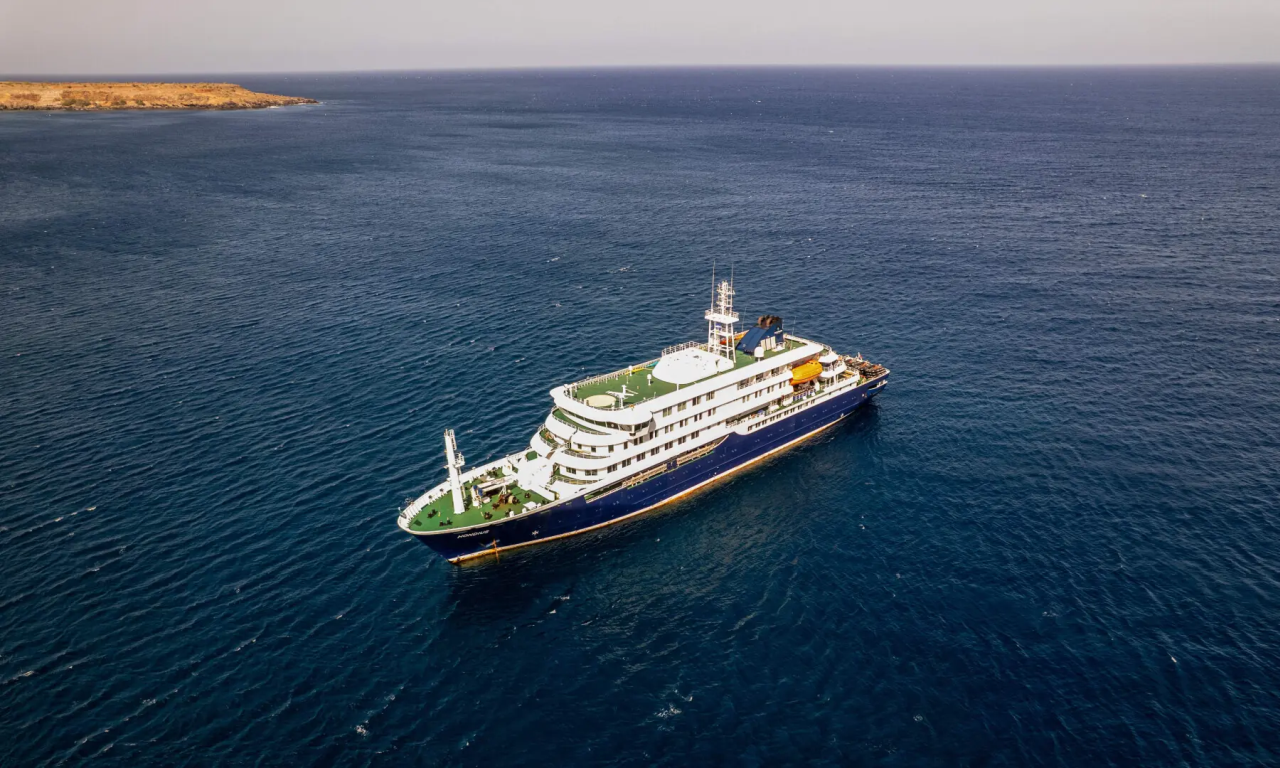
Adding another layer of tension to the story, the United States evacuated 22 crew members from the seized Iranian container ship MV Touska to Pakistan. The vessel was captured in the Gulf of Oman last month in an operation that Tehran publicly condemned as an act of “piracy,” according to Al Jazeera. The incident has sharpened Iran’s rhetoric and added to the list of grievances both sides are now carrying into any potential negotiations.