 The BRICS Times
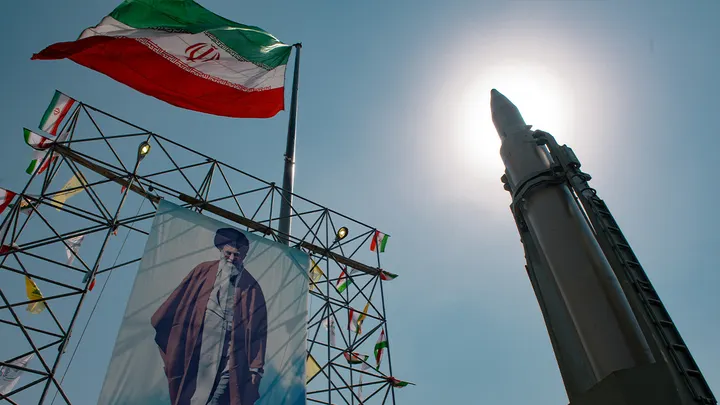
The world’s most vital energy artery, the Strait of Hormuz, is currently paralyzed by a volatile mix of military blockades and failed diplomacy. While fleeting reports suggested the waterway had reopened, the reality on the water is a chaotic “no-man’s-land” where commercial vessels are increasingly targeted.

A False Sense of Security Followed by Chaos
The weekend began with a spark of hope. On Saturday, April 18, 2026, Tehran signaled that the Strait was “completely open.” This led to a desperate scramble as over 20 ships attempted to exit the Persian Gulf—the highest traffic seen in weeks. However, the optimism was short-lived. Iran abruptly rescinded the opening after the United States refused to lift its naval blockade on Iranian exports. By Sunday, the passage was effectively a ghost town once again, with traffic dropping to zero as the Iranian Revolutionary Guard reinstated strict controls.

Indian Vessels Caught in the Crossfire
The tension turned violent when two Indian-flagged tankers, including the Sanmar Herald, were fired upon while attempting transit. Radio distress calls captured the confusion, with one captain pleading, “You gave me clearance to go… You are firing now!” This direct escalation forced India’s Ministry of External Affairs to summon the Iranian envoy in New Delhi, expressing “deep concern” over the safety of its sailors. These attacks have sent a chilling message to the global shipping industry: permission to pass is no longer a guarantee of safety.
BT could not independently verify the authenticity of the viral video.
Why the Global Economy is Holding Its Breath
The Strait of Hormuz is not just a geographic point; it is the throat of the global economy. Approximately 20% of the world’s oil consumption passes through this narrow stretch. Currently, an estimated 135 million barrels of crude oil and liquefied natural gas (LNG) are “bottlenecked” inside the Gulf. As long as these tankers remain stranded, global energy prices will face upward pressure, threatening to destabilize markets already reeling from the ongoing 2026 conflict.
The High-Stakes Poker Game of Diplomacy
The standoff is a classic case of brinkmanship. The U.S. is using its naval blockade as a “maximum pressure” tool to force Iran back to the negotiating table regarding its nuclear program. Conversely, Iran is using its control over the Strait as a retaliatory hammer. While President Donald Trump has pointed toward upcoming mediated talks in Islamabad, the rhetoric remains fiery. With the ceasefire nearing its expiration and neither side willing to blink, the “functionally closed” status of the Strait remains the world’s biggest economic risk.


 Mayur Mohta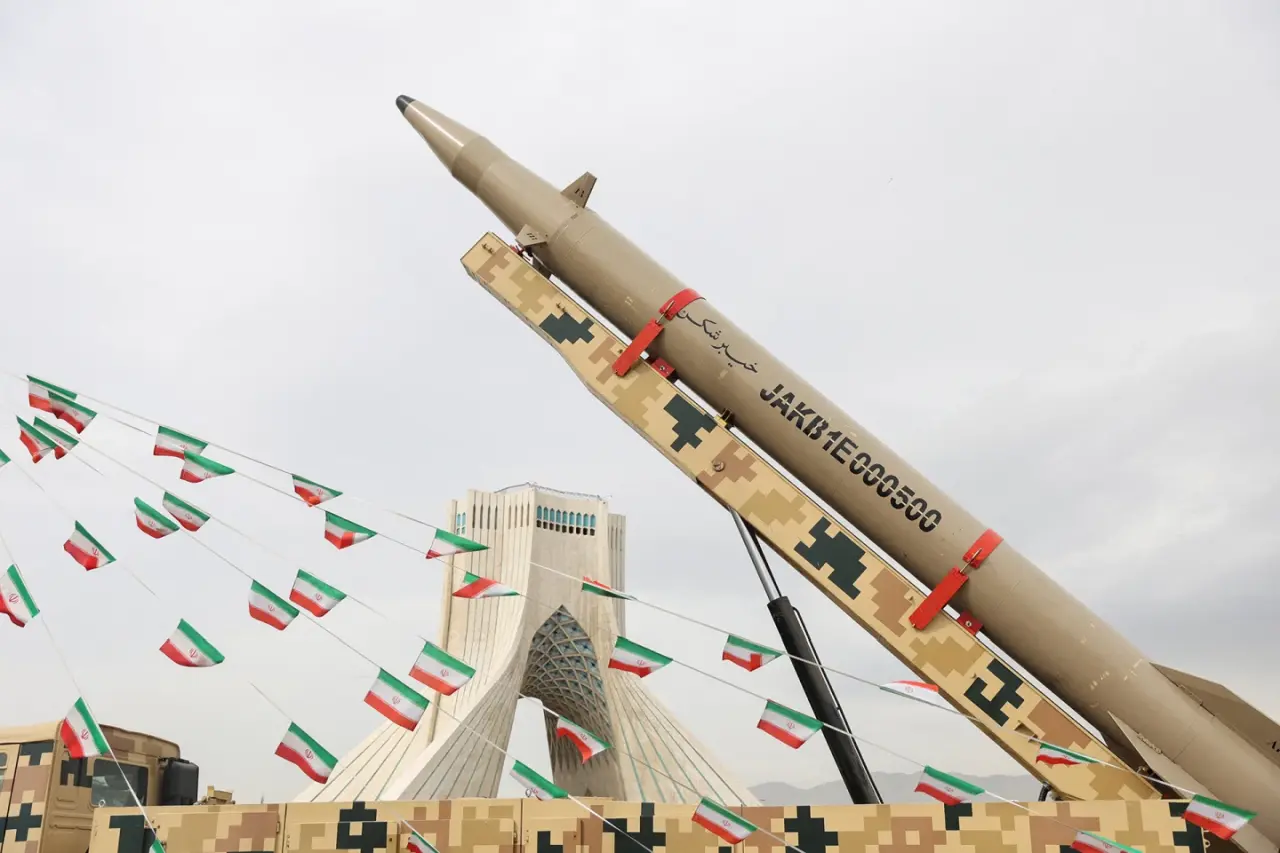
 Akshay Didwaniya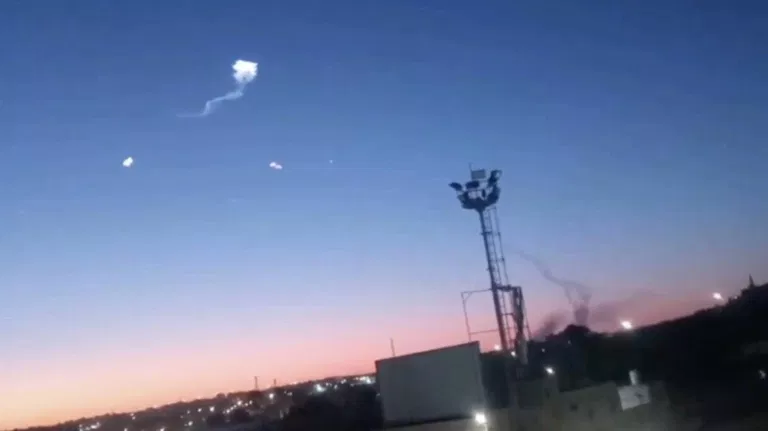
 Aditya Didwaniya
 Pratik Agrawal