 The BRICS Times
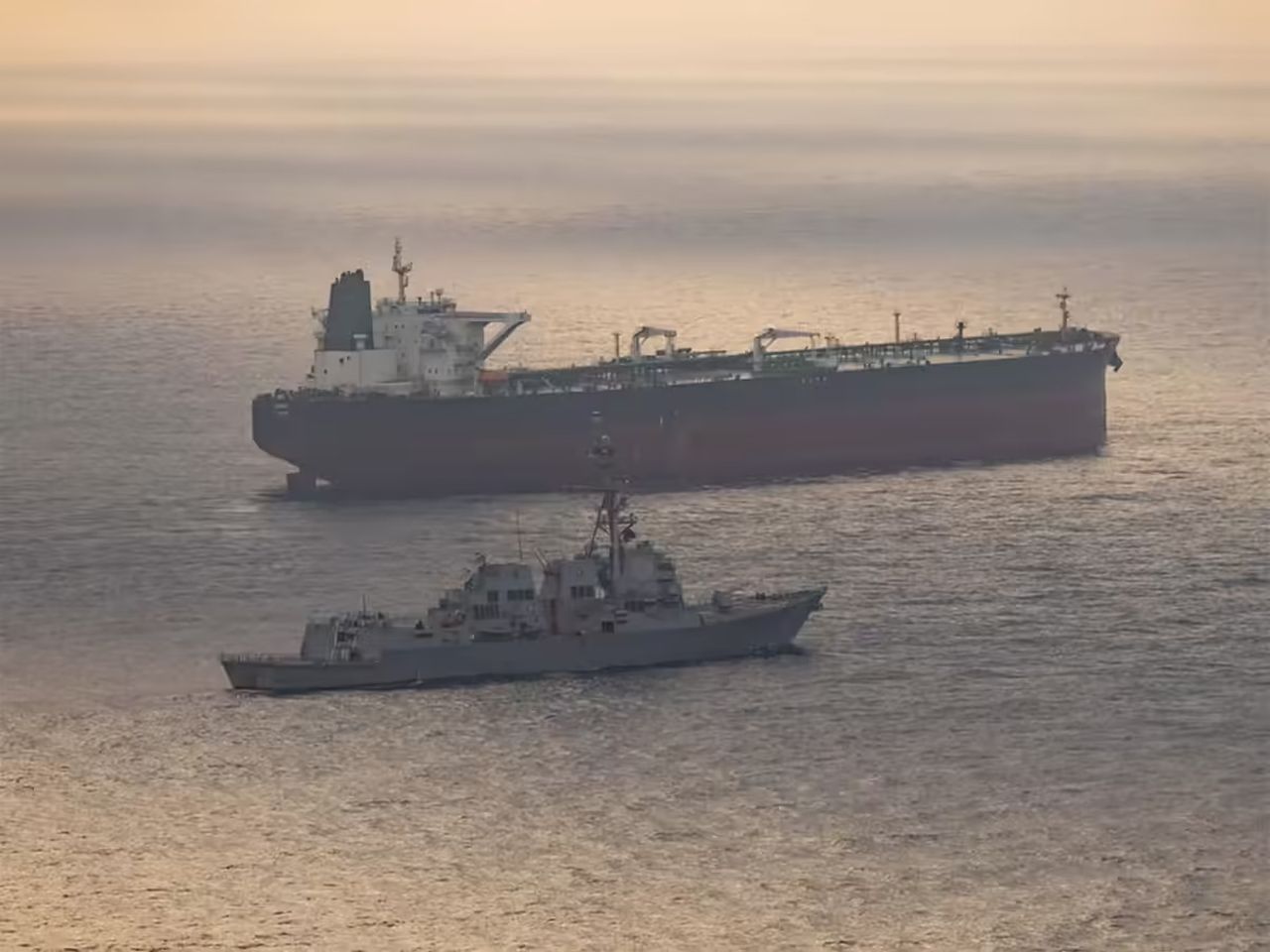
Even as US President Donald Trump extended the Iran-US ceasefire on Tuesday, IRGC gunboats targeted at least three commercial vessels near the Strait of Hormuz. The attacks have reignited fears over the world’s most critical oil shipping lane. India summoned Iran’s ambassador after two Indian-flagged ships were hit.

Iran tightens grip on the Strait of Hormuz with gunfire on ships
Tensions in the Persian Gulf reached a new boiling point as Iranian Revolutionary Guard Corps (IRGC) gunboats opened fire on at least three commercial vessels near the Strait of Hormuz. This came just hours after US President Donald Trump announced an extension of the fragile ceasefire with Iran. The attacks ended a short-lived period of calm on one of the world’s most important shipping routes.
The UK Maritime Trade Operations authority, known as UKMTO, confirmed it received reports of two gunboats opening fire on a tanker. The incident took place about 20 nautical miles north of Oman. No radio warning was issued before the IRGC gunboats opened fire on the vessel.
Ships targeted without warning, crew reported safe
A Liberia-flagged container ship sustained damage to its bridge after being struck by gunfire and rocket-propelled grenades northeast of Oman. The master of the vessel reported being approached by an IRGC gunboat with no prior radio contact. All crew members onboard were reported safe. There was no fire and no environmental damage from the incident.
A separate container ship was struck by what appeared to be an “unknown projectile” shortly after. Maritime security reports indicated that only three personnel were present on the attacking gunboat. The Greek-operated vessel’s master also confirmed that no radio communication took place before the gunboat opened fire. The ship had initially been told it had permission to pass through the strait.
India summons Iranian ambassador over attacks on its ships
Two Indian-flagged vessels were among those targeted during incidents in the Strait of Hormuz. India’s Foreign Secretary Vikram Misri met with Iran’s ambassador to New Delhi and expressed his country’s “deep concern” over the incidents. The foreign ministry stated that Misri “noted the importance that India attached to the safety of merchant shipping and mariners.” He urged Iran to “resume at the earliest the process of facilitating India-bound ships across the Strait.” One of the Indian ships involved was identified as the VLCC Sanmar Herald, which came under fire from two IRGC gunboats despite having received prior clearance to pass.
Iran claims ships ignored military warnings
Iranian state media pushed back on the maritime accounts. Iran’s semi-official Tasnim news agency claimed the targeted vessels had “ignored warnings from the Iranian armed forces” before being fired upon. Iran’s military had earlier reimposed what it called “strict control” over the Strait of Hormuz. Tehran stated this was in direct response to the ongoing US blockade of Iranian ports. The IRGC had warned that “approaching the Strait of Hormuz will be considered cooperation with the enemy, and any violating vessel will be targeted.”
IRGC marks its anniversary with war footing warning
April 22 marks the founding anniversary of the Islamic Revolutionary Guard Corps. In a statement released to coincide with the occasion, the IRGC declared it was “at the peak of readiness.” It also threatened to “deliver crushing and unimaginable blows to the remaining assets of the enemy in the region.” This aggressive posturing signalled that the IRGC was in no mood to back down despite diplomatic pressure.
Trump extends ceasefire but keeps blockade in place
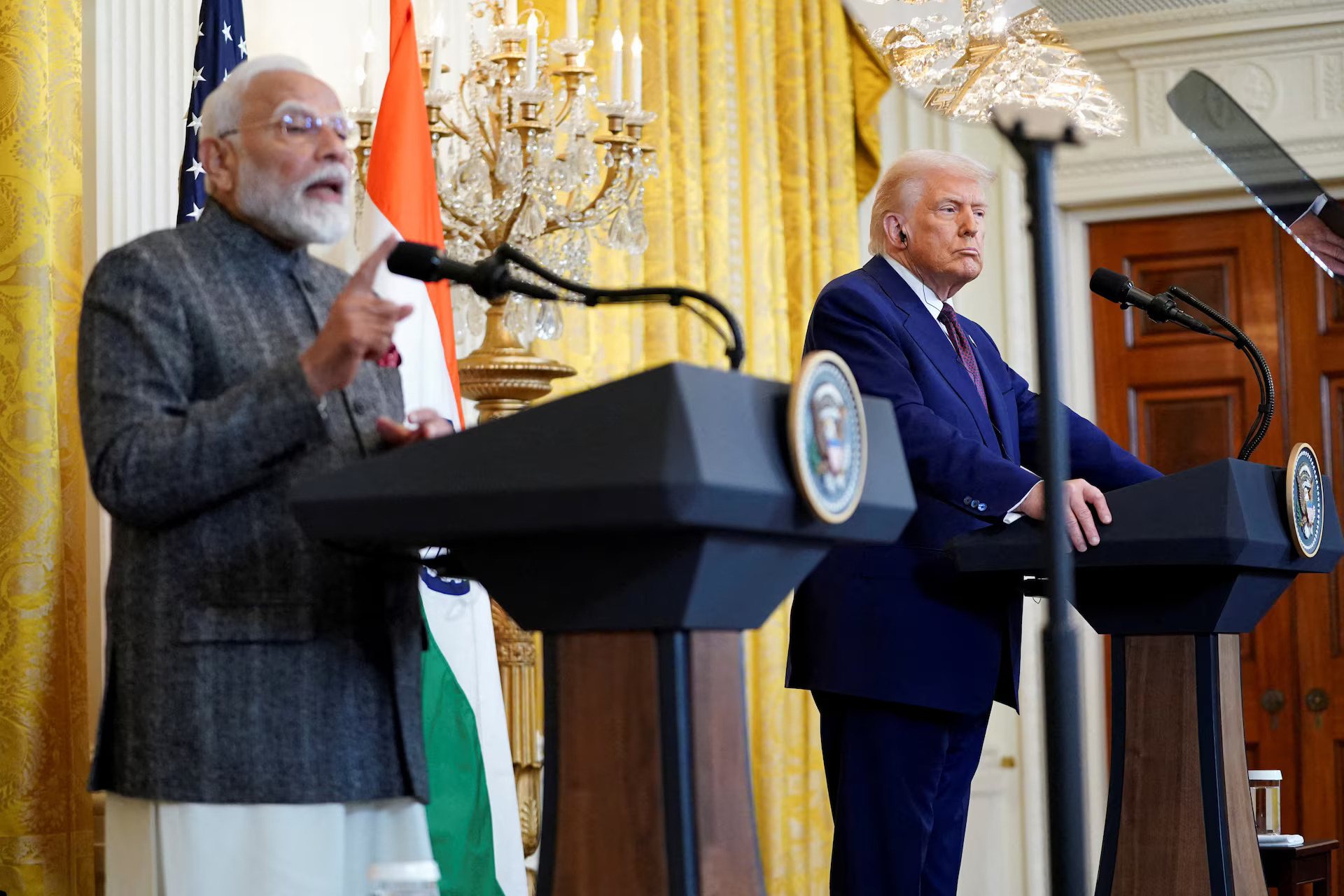
President Trump announced the extension of the ceasefire but was firm about maintaining the US blockade on Iranian ports. He claimed Iran is “collapsing financially” and losing around $500 million every day the Strait of Hormuz remains closed. Trump also described the Tehran regime as “seriously fractured.” He argued that lifting the US blockade would undermine the chances of reaching a meaningful nuclear deal.
Iran, meanwhile, insisted that the blockade must be lifted before any new round of talks could begin. US Vice President JD Vance’s visit to Pakistan for a second round of negotiations was cancelled, adding to growing uncertainty about the path forward. Iran had previously stated it would shut off the strait until the US blockade was lifted, setting the two sides on a collision course.
Global shipping and energy markets rattled
The Strait of Hormuz carries nearly 20 percent of the world’s total oil trade. The renewed attacks have triggered alarm among global shipping and energy stakeholders. In response to the deteriorating security situation, India diverted crude oil tankers away from the strait. Two Indian-bound vessels carrying an estimated two million barrels of Iraqi crude oil were rerouted as a precautionary move. The European Commission also moved quickly, proposing a series of measures to address the impact of the conflict on the region’s energy markets.
The crisis at the Strait of Hormuz shows no signs of easing. With the IRGC targeting ships, talks stalled, and the US blockade firmly in place, the world’s most critical oil chokepoint remains a flashpoint.