 The BRICS Times
Foreign Ministers discuss key issues like maritime safety and climate goals to strengthen the Strategic Partnership between the two nations.

Addressing Shared Global Challenges
India and Australia face common issues in today’s complex world. External Affairs Minister S Jaishankar highlighted these on Thursday. He spoke at the 16th India-Australia Foreign Ministers’ Framework Dialogue in Delhi. He listed maritime security and terror threats as key concerns. He also mentioned building strong supply chains and taking climate action.
Strengthening Democratic Ties
Jaishankar spoke before his talks with Australian Foreign Minister Penny Wong. He emphasized the role of democracies. “I think it is clearly evident that democracies like India and Australia carry greater responsibility, there are common challenges for us to address…So it is essential that we sustain the strong momentum in our ties, that we deliver tangible outcomes, that we work together to achieve this through shared regional and global priorities,” he said.
A Future-Focused Agenda
The dialogue aims to create a bold plan for the future. It seeks to take the partnership to a new level. Both sides want to deepen cooperation in many areas. These areas include cyber technology, trade, and defense. They also focus on sports and connecting people from both nations.
Five Years of Strategic Partnership
Jaishankar noted that the nations are marking five years of their Comprehensive Strategic Partnership. He said there has been huge growth in all areas. This covers trade, investment, and security. It also includes education, space, and energy.
A Vision for the Indo-Pacific
Jaishankar praised the ongoing dialogue. “The Foreign Ministers’ Framework Dialogue has been one of the key pillars of the Comprehensive Strategic Partnership and it surely reflects the trust, the democratic values, and a common vision for a free, open, and secure Indo-Pacific.” Penny Wong agreed with this sentiment. She said both nations share a vision for a peaceful Indo-Pacific. “Our two nations have never been closer and in many ways our partnership has never been more consequential,” she added.
Commitment to Peace and Stability
India and Australia support a rule-based global order. They work with the US and Japan as Quad nations. They want peace and stability in the region. This meeting happened just weeks after signing three key agreements. These pacts aim to deepen military ties. They cover information sharing and submarine rescue.
Deepening Defense Cooperation
These agreements were signed in Canberra on October 9. Defense Minister Rajnath Singh met with Australian Deputy PM Richard Marles. They promised to boost defense cooperation. This includes military exercises and joint research. Jaishankar praised this progress. “I think today whether it is our large and complex bilateral and multilateral exercises, our interoperability, the work that we do in maritime domain awareness, cyber security — I think it really reflects the confidence in our relationship,” he said.
Boosting Trade and Education
Jaishankar felt confident about the economic talks. He believes the Comprehensive Economic Cooperation Agreement will finish soon. He noted that trade links have grown steadily. “Today’s meeting offers an excellent opportunity for us to not only review the progress achieved, but also to set the agenda and course for the next phase of ties and the recommendations that we would make to our Prime Ministers, I think would be key for them to take into account when they will meet very soon.” He also spoke about education. “Our universities have provided the lead in creating new formats of innovation. We are very welcoming of many of your universities who are already here, and we hope many more would follow suit, and they have actually I think added a very important dimension to our cooperation in India.”

 Aditya Didwaniya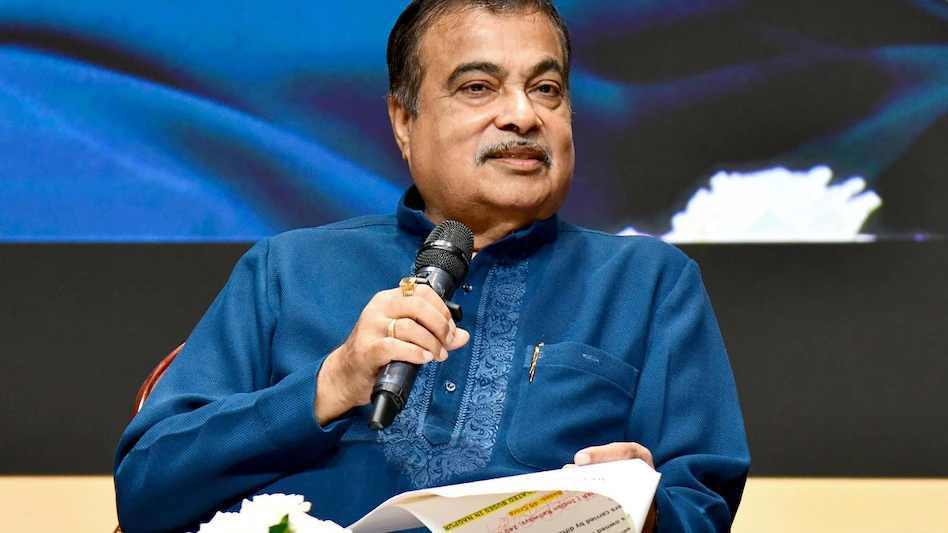
 Akshay Didwaniya
 Mayur Mohta


 Pratik Agrawal