 Akshay Didwaniya
US President Donald Trump has outlined two non-negotiable pillars of any potential agreement with Iran a complete ban on nuclear weapons development and the immediate reopening of the Strait of Hormuz to international shipping.

Trump Sets Two Bottom Lines for Iran Agreement
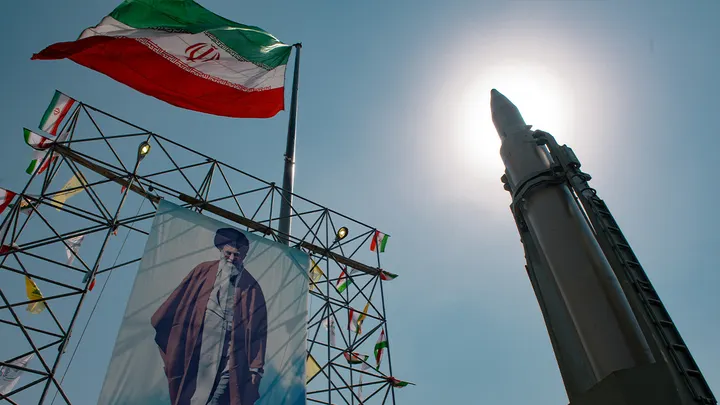
US President Donald Trump stepped before journalists at the White House and made his position crystal clear. Any deal with Iran must rest on two firm pillars Tehran must abandon its nuclear weapons ambitions entirely, and the Strait of Hormuz must be thrown open without delay.
“The main parts of the deal they cannot have nuclear weapons, the strait will be open immediately,” Trump told reporters at the White House when asked about the ongoing negotiations.
How the US-Iran Conflict Unfolded
The backdrop to these talks is a conflict that shook the region. The United States and Israel launched coordinated military strikes against targets inside Iran on February 28. Those strikes claimed the lives of more than 3,000 people a devastating toll that stunned the international community.
Washington and Tehran eventually announced a ceasefire on April 8 a moment of fragile relief after weeks of bombardment. Subsequent peace talks held in Islamabad, however, ended without any breakthrough. No fresh military action has been reported since then, but the United States has moved to tighten the pressure imposing a full blockade on Iranian ports.
Strait of Hormuz The World’s Energy Chokepoint
The Strait of Hormuz sits at the heart of Trump’s demands and for good reason. This narrow waterway connects the Persian Gulf to the wider ocean and carries roughly 20% of the world’s oil supply. Any disruption there sends shockwaves through global energy markets instantly.
Trump’s insistence on keeping the strait open signals that economic and energy security sit at the top of Washington’s agenda. The nuclear demand, on the other hand, reflects longstanding US and Israeli concerns about Iran’s atomic programme concerns that helped trigger the military campaign in the first place.
What Comes Next
With Islamabad talks having stalled and Iranian ports under blockade, the path to any agreement remains rocky. Trump’s two-point framework no nukes, open strait gives both sides a clear benchmark. Whether Tehran will accept these terms is the question hanging over the entire Middle East right now.


 Mayur Mohta
 Pratik Agrawal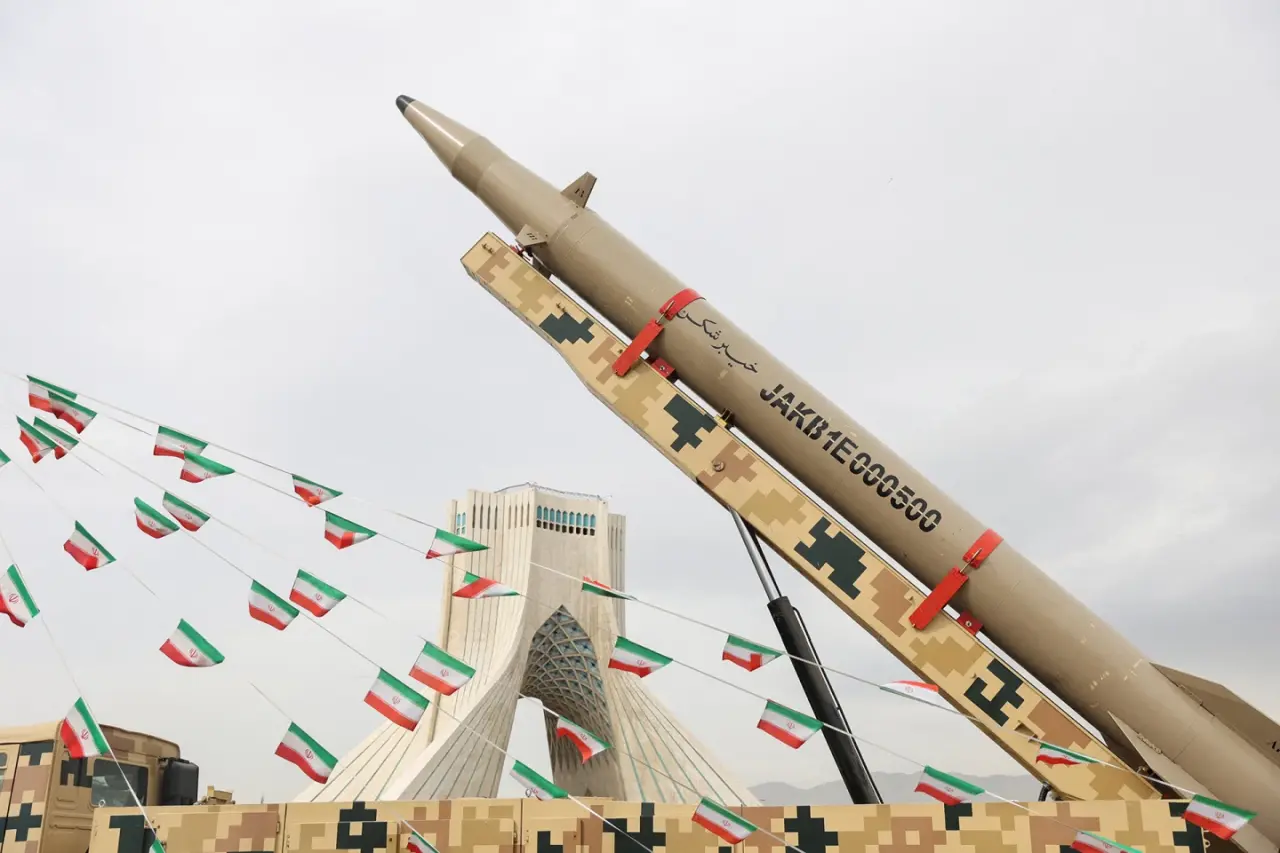
 Aditya Didwaniya