 The BRICS Times
Prime Minister Narendra Modi made a power-packed stopover in Abu Dhabi on Friday landing, holding high-level talks with UAE President Sheikh Mohamed bin Zayed Al Nahyan (MBZ), signing a string of landmark agreements, and departing all within just two hours. The deals cover defence, LPG supply, strategic petroleum reserves, maritime infrastructure, and a massive $5 billion investment push into India, as West Asia grapples with the fallout from the US-Iran conflict and a choked Strait of Hormuz.

A Two-Hour Blitz That Meant Business
Prime Minister Narendra Modi’s brief Abu Dhabi stopover on Friday was anything but routine. He touched down and within two hours had held delegation-level talks with UAE President Sheikh Mohamed bin Zayed Al Nahyan, sealed several critical agreements, and was back in the air. The visit marked the opening leg of his five-nation tour running from May 15 to 20 a tour that also takes him to the Netherlands, Sweden, Norway, and Italy.
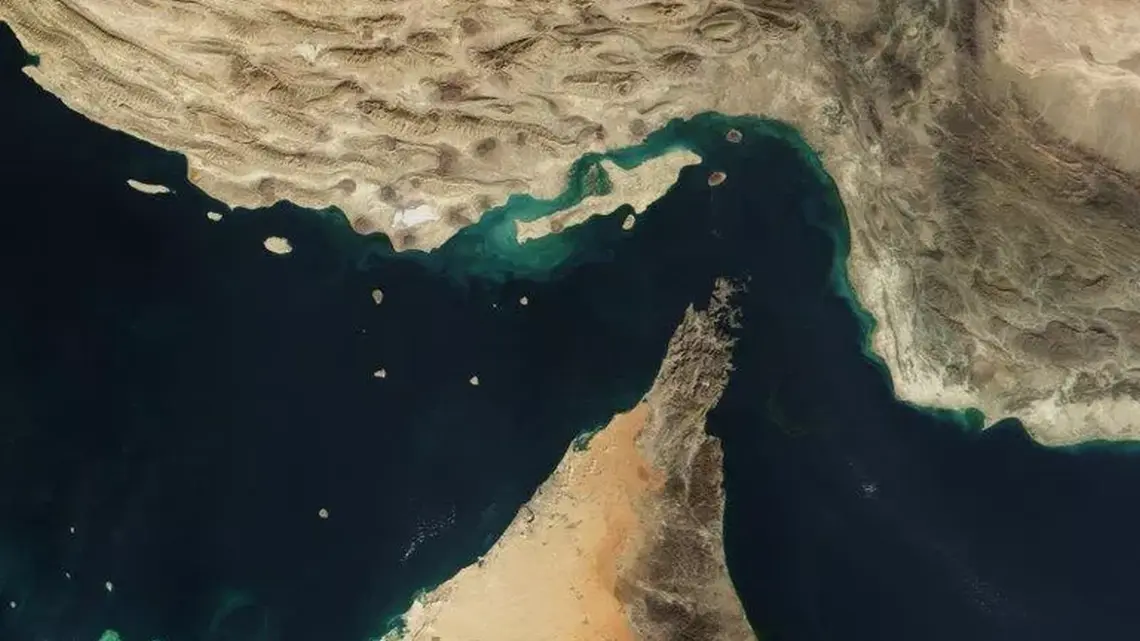
The backdrop was anything but calm. With the US-Iran conflict rattling West Asia’s energy corridors and Iran’s actions threatening to choke the Strait of Hormuz, the urgency behind each deal was crystal clear.
A Royal Welcome From the Skies
Modi’s arrival was dramatic UAE Air Force F-16 jets escorted his aircraft the moment it entered UAE airspace. On landing, he received a guard of honour, with national anthems of both countries played at a formal reception ceremony. The symbolism was hard to miss this was not just diplomacy, it was partnership on full display.
Also Read | Modi’s Aircraft Gets Royal F-16 Fighter Jet Welcome as He Lands in Abu Dhabi
UAE Minister of State for International Cooperation Reem Al Hashimy set the tone ahead of the visit calling PM Modi a “true treasure” for the leadership and people of the Emirates. She added that the India-UAE partnership is all set to scale “new mountaintops” in trade and technology.
Strait of Hormuz and Why It Matters for India
Al Hashimy had already flagged the core concern days earlier the Strait of Hormuz had been effectively “taken hostage” by Iran. The waterway carries a massive chunk of India’s crude oil imports. With supply lines under pressure, ordinary households across India were struggling with basic energy needs and that, she noted, would “certainly feature” in the conversations between Modi and MBZ.
India is the world’s second-largest importer of LPG. The UAE alone supplies nearly 40% of India’s domestic LPG requirement making Friday’s energy deals far more than routine paperwork.
Also Read | India’s Petrol-Diesel Price Hike After Four Years, Experts Warn This Could Be Just the First Move
The Full List of Agreements Signed
The two nations sealed a series of pacts spanning multiple critical sectors here is what was inked during the two-hour stopover:
Defence: India and the UAE signed an Agreement on a Framework for Strategic Defence Partnership — a long-term blueprint for deeper bilateral security and strategic cooperation.
Energy: LPG: An agreement locking in the supply of Liquefied Petroleum Gas a direct response to the supply disruptions triggered by the Iran crisis.
Energy: Oil Reserves: A Memorandum of Understanding on Strategic Petroleum Reserves aimed at building a buffer stock to shield India’s economy from future shocks.
Maritime: Ship Repair Cluster: An MoU for setting up a dedicated Ship Repair Cluster at Vadinar in Gujarat a move that positions India as a stronger maritime hub in the Indian Ocean region.
Investment: $5 Billion Push: UAE announced investments worth USD 5 billion directed into Indian infrastructure, RBL Bank, and Samman Capital a massive vote of confidence in India’s economic trajectory.
Modi’s Message: Peace, Partnership and Diplomacy
Standing alongside UAE President MBZ, Prime Minister Modi did not hold back on his commitment to the partnership. “India stands shoulder-to-shoulder with the UAE in every situation. For the restoration of peace and stability, India will extend all possible cooperation,” he stated.
He made India’s position on the regional crisis sharply clear the Strait of Hormuz must remain “free and open,” and all parties must respect international law. He held firm that dialogue and diplomacy remain the only workable paths to resolving the ongoing crises.
Exporters Watching Closely
India’s exporters were watching the visit with considerable interest. The Federation of Indian Export Organisations (FIEO) described this tour as landing at a “crucial juncture” for India’s trade and investment ties with both Europe and the Gulf. FIEO President SC Ralhan put it plainly “The Prime Minister’s high-level engagements with the leadership of the UAE and major European nations underline India’s growing stature as a trusted economic partner and a key driver of global growth.”
The UAE already serves as a major gateway for Indian exports fanning out across the Middle East and Africa. Industry leaders expect the agreements signed Friday to open fresh doors across engineering, clean energy, pharmaceuticals, logistics and digital trade.
A Friendship That Goes Beyond Protocol
The Modi-MBZ relationship has long been more personal than purely political. The UAE is home to roughly four million Indian residents the largest expatriate community in the country who have played an instrumental role in the nation’s growth story. This decades-long bond shapes every interaction.
This visit follows the UAE President’s trip to India in January and the Crown Prince’s participation in India’s AI Summit in February a pattern of high-frequency, high-stakes engagement.
Next Stops: Europe Awaits
From Abu Dhabi, Modi heads to the Netherlands, Sweden, Norway, and Italy where the focus will shift to green technology, semiconductors, and deeper trade ties. The India-Nordic Summit in Norway originally scheduled for May 2025 but postponed following Operation Sindoor sits at the heart of the European leg.
Two hours in Abu Dhabi. Five agreements. Five billion dollars. And a clear message India means business, and it will not wait for the world to stabilise before securing its future.


 Aditya Didwaniya
 Mayur Mohta

 Pratik Agrawal
 Akshay Didwaniya