 Akshay Didwaniya
More than a year after India’s bold cross-border military strike against Pakistan the government has finally named the six soldiers who made the ultimate sacrifice during Operation Sindoor. Their names will now be permanently engraved on the granite walls of the National War Memorial in New Delhi a tribute long overdue to the nation’s unsung heroes.

India Breaks Silence, Names of Six Operation Sindoor Martyrs Released
More than a year after Operation Sindoor shook the subcontinent India finally put names to its fallen. The Indian government officially disclosed the identities of six military personnel who lost their lives during the historic cross-border operation. This marks the very first formal acknowledgement of soldiers who paid the ultimate price during the May 2025 military campaign against Pakistan.
Their names are now being engraved on the granite walls of the National War Memorial in New Delhi close to India Gate ensuring their courage stays alive in the nation’s memory forever.
Who Are the Six Martyrs?
Five of the six heroes served in the Indian Army and one belonged to the Indian Air Force. Their names and units are as follows:
- Subedar Major Pawan Kumar — Headquarters, 10 Infantry Brigade
- Rifleman Sunil Kumar — 4th Battalion, Jammu and Kashmir Light Infantry Regiment
- Lance Naik Dinesh Kumar — 5 Field Regiment
- Agniveer Mood Murali Nayak — 851 Light Regiment
- Havildar Sunil Kumar Singh — 237 Field Workshop Company
- Sergeant Surendra Kumar — 39 Wing, Indian Air Force
Two of these martyrs received posthumous gallantry honours. Rifleman Sunil Kumar received the Vir Chakra India’s third-highest wartime bravery award. Sergeant Surendra Kumar received the Vayu Sena Medal for his distinguished service. President Droupadi Murmu presented the Vir Chakra to Sunil Kumar’s family on June 8 during the Defence Investiture Ceremony. His parents mother Sudesh Kumari and father Yash Paul accepted the decoration on his behalf.
The National War Memorial’s Tyag Chakra Where Heroes Are Immortalised
The names of these soldiers are being inscribed on commemorative bricks at the Tyag Chakra which means Circle of Sacrifice. This section of the National War Memorial consists of 16 concentric circular granite walls. Every brick carries the name, rank, and regiment of a soldier who gave their life in service to the nation after Independence. The memorial was inaugurated in 2019 right near India Gate in the heart of the capital.
The names of the Operation Sindoor martyrs appear in the 2025 section on Wall 3D of the memorial. They are now part of an eternal roll of honour alongside every soldier who fell since India became a free nation.
Why Operation Sindoor Was Launched
Operation Sindoor was launched in the early hours of May 7, 2025 in direct response to the terror attack in Pahalgam, Jammu and Kashmir on April 22. That horrific attack claimed the lives of 26 civilians 25 of them tourists, and one a local ponywallah when terrorists opened fire in the Baisaran Valley. The attack triggered nationwide outrage and a swift military response.
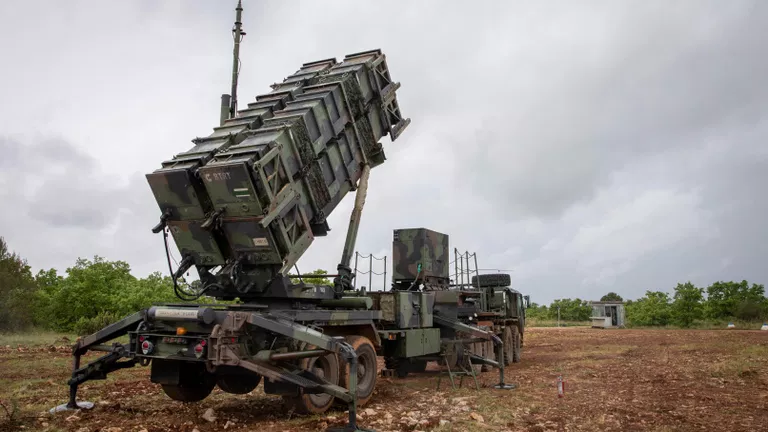
During the operation, India targeted and dismantled terror infrastructure in Pakistan’s Punjab region and in Pakistan-occupied Kashmir. The government claimed that over 100 terrorists were eliminated in the strikes. India described the military action as focused, measured, and non-escalatory while warning that any strike on its military assets would face a firm response.
Days of Armed Confrontation Before Calm Returned
What followed Operation Sindoor were three intense days of armed exchanges between the two nuclear-armed neighbours. Pakistan launched its own operation called Operation Bunyan-un-Marsoos targeting 15 Indian military installations from Bhuj to Srinagar using drones and missiles. The very next day, Pakistan escalated further firing over 500 drones and missiles at Indian military and civilian locations. Most projectiles were intercepted and neutralised eight in the Jammu region alone though some drones did breach defences, causing localised damage.
It was the first time since the 1971 war that both India and Pakistan had targeted each other’s cities a threshold not crossed even during the Kargil War. After days of escalating tension both sides agreed on de-escalation measures and the conflict gradually wound down.
A Nation Remembers And Honours
The government’s decision to publicly release the names of these soldiers comes as part of a broader effort to document and honour all those who contributed to Operation Sindoor. Military leaders have repeatedly described the operation as a turning point a demonstration of India’s zero-tolerance stance on terrorism and its shift towards proactive deterrence along the border.
The names of these six soldiers are now etched in granite and in the nation’s conscience forever.

 Aditya Didwaniya


 Mayur Mohta