 The BRICS Times
India just saw its biggest ever single day hike in commercial LPG cylinder prices. Congress leader Rahul Gandhi warned this was coming and says fuel prices will rise next.

India wakes up to record commercial LPG price shock on May 1
India’s state owned oil marketing companies delivered a massive blow to small businesses on May 1. The price of a 19 kg commercial LPG cylinder shot up by a record Rs 993 in a single day. This is the steepest ever single day hike in commercial cooking gas prices in the country. The price in Delhi now stands at Rs 3,071.50, up from Rs 2,078.50 in April. In Mumbai, the cylinder now costs Rs 3,024. Kolkata saw an even bigger jump, with prices rising by Rs 1,147 to cross Rs 3,200.
Also Read | Commercial LPG Cylinder Prices Jump ₹993; Hotels, Restaurants Bear the Brunt of Global Energy Crisis
Third hike in two months leaves businesses gasping
This is the fourth consecutive monthly revision in commercial LPG prices since March 2026. Oil companies had raised prices by Rs 114.50 in March and by around Rs 195.50 in April. Cumulatively, prices have surged by Rs 1,380 in just three months. That works out to an 81% jump over the February price. The rising tensions in West Asia and disruptions near the Strait of Hormuz are driving global fuel prices upward. Nearly 88% of India’s LPG imports pass through the Strait of Hormuz. Oil marketing companies say they are adjusting commercial rates in line with global market trends.
Restaurants, dhabas and small eateries bear the brunt
The impact of this hike will hit small businesses the hardest. Hotels, restaurants, tea stalls, bakeries, street food vendors and cloud kitchens all depend on commercial LPG cylinders daily. A near 50% jump in fuel costs squeezes their margins severely. Most of these businesses will either absorb the cost or pass it on to customers through higher food prices. The hospitality sector is especially under pressure. Bulk LPG is a core daily input for hotels and caterers. Analysts say food prices at eateries may rise noticeably in the coming weeks.
Domestic LPG, petrol and diesel prices stay unchanged for now
Indian Oil Corporation confirmed that retail prices of petrol and diesel remain unchanged for consumers. Domestic 14.2 kg LPG cylinders used by around 33 crore households have also not been revised. The current domestic price stays at Rs 913 per cylinder in Delhi. Aviation turbine fuel prices have also been kept unchanged this month. IOC stated that commercial and bulk LPG accounts for less than 1% of total LPG consumption. The government says domestic LPG supply remains at 100% and there is no shortage.
Rahul Gandhi says he predicted this and warns of petrol diesel hike next
Congress leader and Leader of Opposition Rahul Gandhi reacted sharply to the price hike. He said the Modi government had been planning these increases all along, timing them after elections. “I had said it the heat of inflation would come after the elections. Today, commercial gas cylinder is ₹993 more expensive. The biggest increase in a single day. This is the election bill. From February till now: ₹1,380 increase a whopping 81% jump in just 3 months. Tea stall, dhaba, hotel, bakery, sweet shop the burden on everyone’s kitchen has increased. And this will affect your plate too. First strike on gas, next strike on petrol-diesel,” he wrote in a post on X.
Gandhi alleged that the Modi government pocketed profits when crude oil was cheap globally. Now that prices are high, the burden is being passed to the public. He claimed this is effectively an “election bill” that citizens are being made to pay. The final phase of polling concluded on April 29 in West Bengal. Gandhi warned that petrol and diesel price hikes may follow soon.
Global energy crisis is the key trigger behind the spike
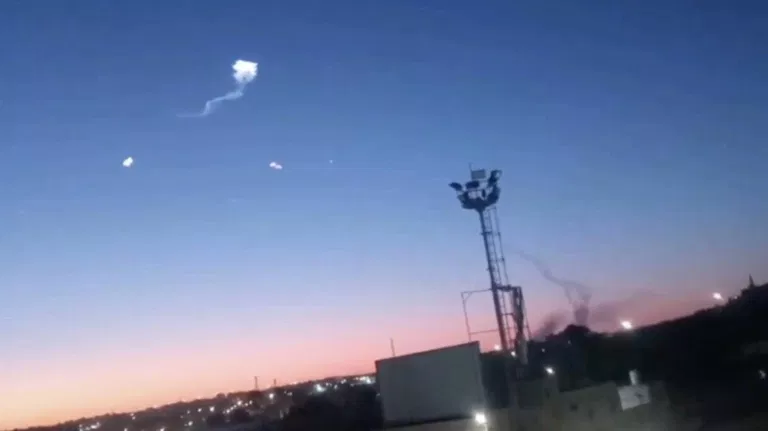
Global crude oil prices crossed USD 120 per barrel on April 30. This surge is directly linked to the ongoing conflict in West Asia involving the US, Israel and Iran. The Strait of Hormuz closure has disrupted the flow of crude oil globally. The International Energy Agency chief Fatih Birol described the situation as a major energy and economic challenge for the world. India is particularly vulnerable given its heavy dependence on Middle East energy imports.

 Akshay Didwaniya

 Mayur Mohta
 Aditya Didwaniya
 Pratik Agrawal