 Akshay Didwaniya
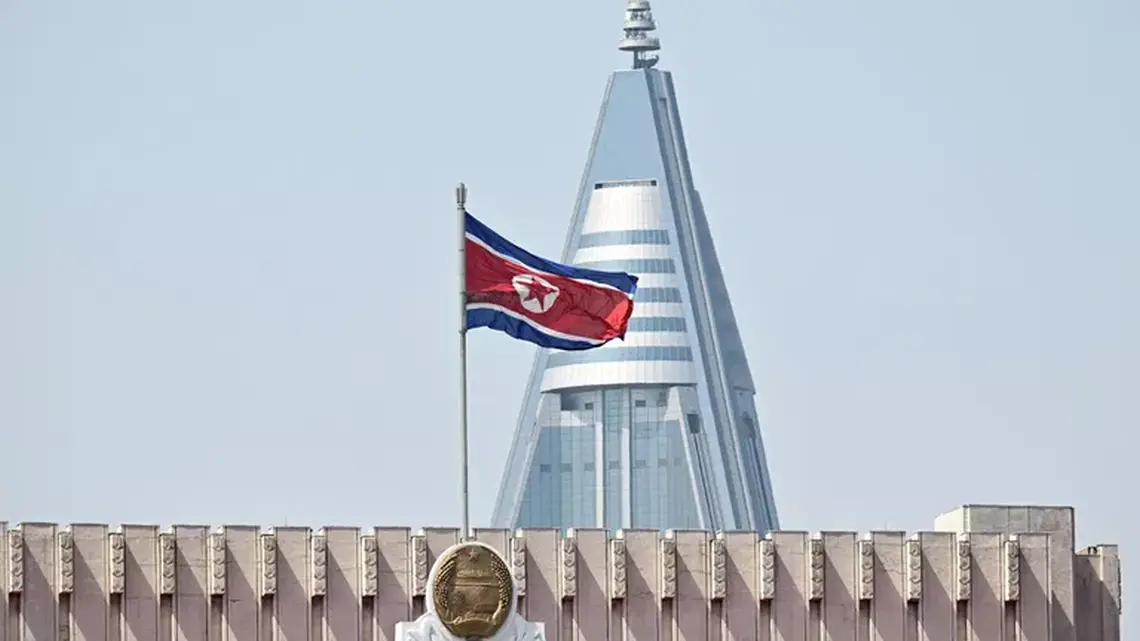
Any memorandum of understanding between Tehran and Washington must first clear Iran’s Supreme National Security Council and then land on the desk of Supreme Leader Mojtaba Khamenei for his final word. The deal, which Trump says is nearly done, still faces a long chain of approvals inside Iran’s power structure.

Iran’s Nuclear Deal With the US Has a Long Road Ahead
Any potential agreement between Tehran and Washington is far from a done deal at least inside Iran. Before a memorandum of understanding becomes official, it must pass through Iran’s Supreme National Security Council. Only after that body gives its blessing will the document move to Supreme Leader Mojtaba Khamenei for final approval.
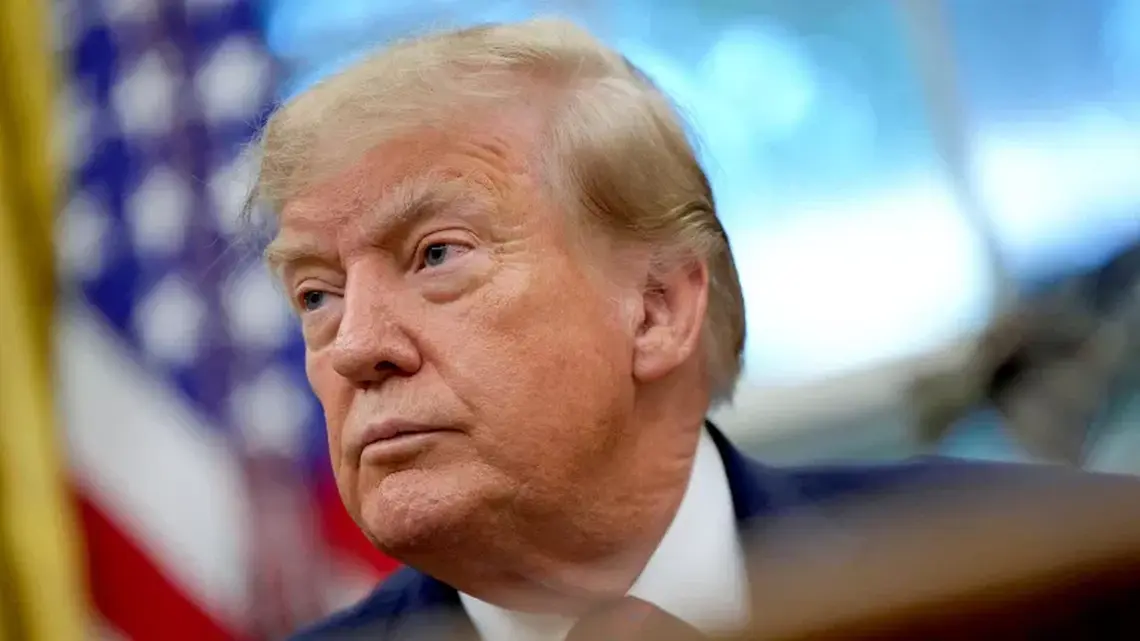
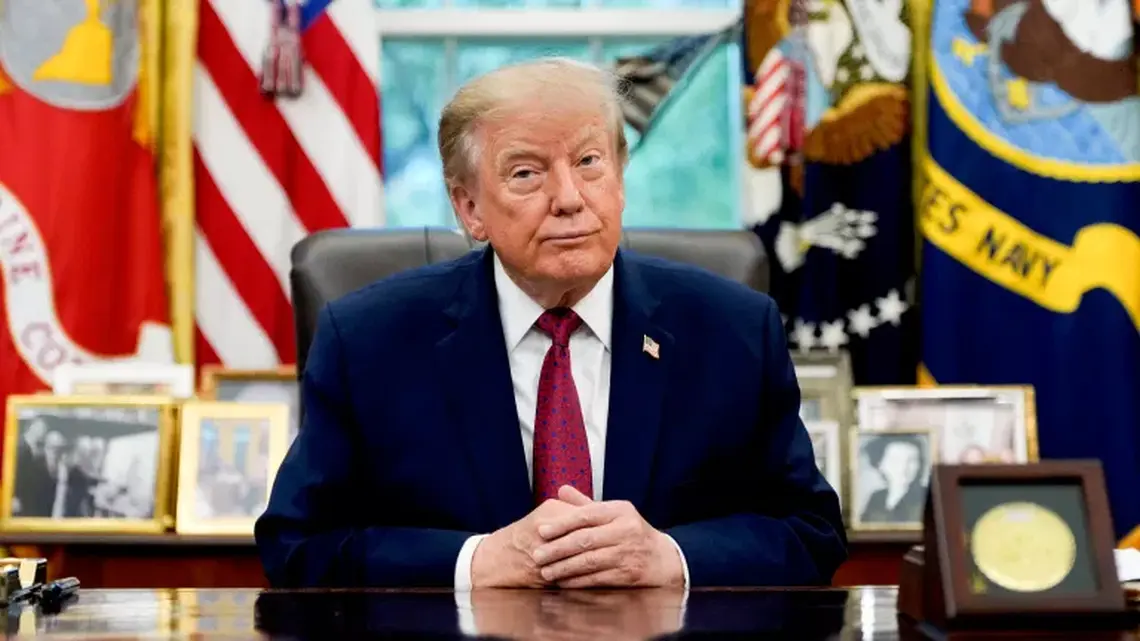
That multi-step sign-off process adds major uncertainty to what US President Donald Trump has described as a nearly finished deal. Trump had said earlier that an agreement with Iran was largely in place with only the final details left to iron out. He suggested an announcement was coming soon.
What the Approval Chain Looks Like
“If Iran’s Supreme National Security Council approves the memorandum of understanding, it will then be forwarded to Supreme Leader Khamenei for final approval,” according to a senior Iranian official familiar with the process.
That structure means no single negotiator no matter how senior can lock in a deal unilaterally. The Council must act first. Then Khamenei has the last word.
Also Read | Iran-US Preliminary Deal Could Be Named the “Islamabad Declaration,” Sources Say
How the Two Countries Got Here
The diplomatic push comes after months of armed confrontation. The US and Israel launched strikes on Iranian territory on February 28 attacks that killed more than 3,000 people. The assault targeted multiple sites across Iran in what marked a dramatic escalation of regional tensions.
By April 8, Washington and Tehran announced a ceasefire halting active hostilities. But the situation remained tense. The United States moved to blockade Iranian ports shortly after. Iran responded by announcing special transit rules for the Strait of Hormuz a chokepoint critical to global oil flows.
Also Read | Iran Never Agreed to Hand Over Its Highly Enriched Uranium Stockpile, Senior Source Says
What Comes Next
Negotiations have continued despite the fragile ceasefire. The possibility of an “Islamabad Declaration” a name reportedly floated for any formal agreement signals that both sides are still at the table.
But with Khamenei holding the final veto, and the Supreme National Security Council acting as gatekeeper, the path to a signed deal remains anything but smooth.

 Aditya Didwaniya

 Mayur Mohta