

 Mayur Mohta
Democratic candidate Adam Hamilton defeated Republican Senator Roger Marshall in Kansas. This marks the party’s first Senate win in the state in 94 years.

Democrats Win Kansas Senate Seat After Nearly a Century
Democrats have won a U.S. Senate seat in Kansas for the first time since 1932. Candidate Adam Hamilton defeated sitting Republican Senator Roger Marshall. The result comes from forecasts released by Decision Desk HQ.
Early counting showed Hamilton ahead with a solid margin. With around 88 percent of votes counted, Hamilton held 52 percent support. Marshall trailed behind with 44.1 percent of the vote.
What the Kansas Race Means for Congress
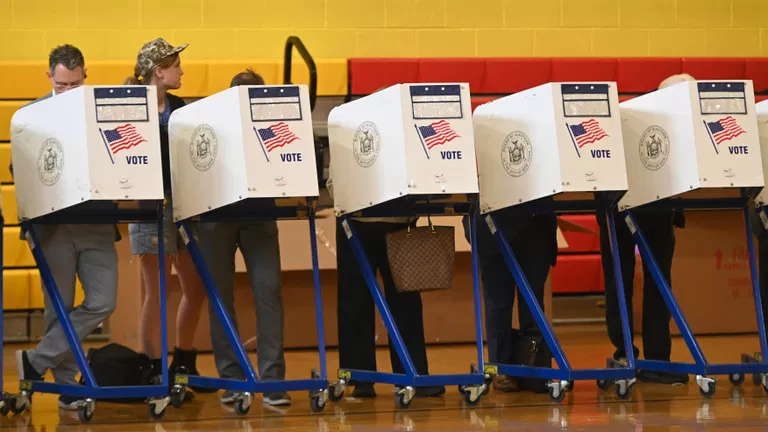
Voters across the United States cast ballots on November 3 in the midterm congressional elections. All 435 seats in the House of Representatives were up for grabs. So were 35 seats in the Senate. These results will decide whether Republicans keep control of both chambers of Congress.
Kansas has long leaned heavily Republican. No Democrat had captured a Senate seat there since 1932. That makes Hamilton’s win a striking upset in an otherwise deep red state.
Who Is Adam Hamilton
Hamilton is a pastor from Leawood, Kansas. He leads the largest United Methodist congregation in the country. He entered the Senate race as a political outsider. Many analysts initially saw him as a long shot against an incumbent.
Hamilton secured the Democratic nomination in August after a crowded primary field. He built momentum through the fall campaign. His support grew strongest in eastern Kansas, helping offset weaker numbers in central and western parts of the state.
Roger Marshall Faced Residency Questions
Marshall has represented Kansas in the Senate since 2021. During the campaign, he faced repeated questions about where he actually lived. Reports noted he had sold his home in Great Bend. This fueled criticism that he had drifted from his home state.
Those residency concerns became a recurring theme in the race. Analysts say they may have weakened Marshall’s standing with some voters heading into Election Day.
Wider Election Context
The Kansas result is one of several closely watched Senate races this cycle. National forecasters had gradually shifted their ratings on the contest in the months before the vote. What began as a race rated “safe Republican” moved toward “likely Republican” over the summer, reflecting growing competitiveness.
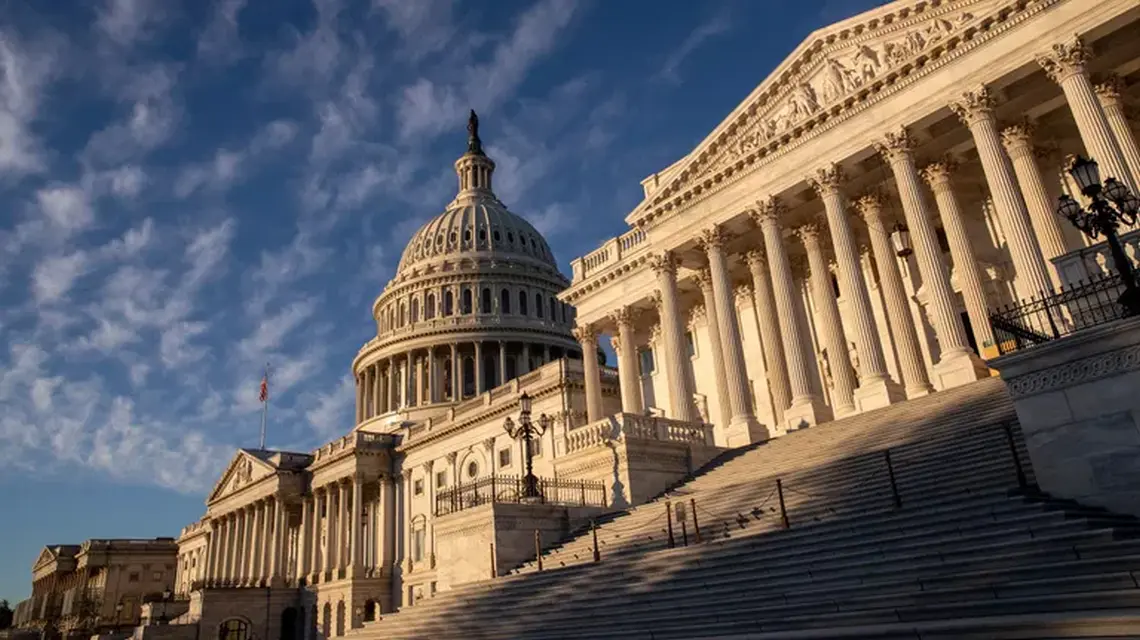
The broader midterm results will shape the balance of power in Washington for the next two years.



 Akshay Didwaniya


 Aditya Didwaniya