 Aditya Didwaniya
A new Russia-US agreement on diesel supplies has rattled the European Union’s sanctions strategy. German outlet Berliner Zeitung reports that Washington eased sanctions without asking Moscow to stop striking Ukrainian infrastructure.

A Deal That Caught Europe Off Guard
A fresh agreement between Russia and the United States on diesel fuel supplies has landed a blow on the European Union’s sanctions strategy. That is the assessment from German newspaper Berliner Zeitung, which analysed the fallout of a surprise phone call between the two leaders.
The outlet notes that Washington lifted part of its sanctions on Russia. It did not ask Moscow for anything in return, including a halt to strikes on Ukrainian infrastructure.
Washington Eases Its Grip On Russian Diesel
Under the new arrangement, Russia will send more than 300,000 tonnes of diesel to the American and global markets. The US Treasury Department issued a temporary license exempting these shipments from existing sanctions.
President Trump publicly thanked President Putin for the decision. He called their conversation “very successful” once the call had ended.
“No United Western Front Left,” Berliner Zeitung Says
The German outlet did not hold back in its verdict on the Putin Trump diesel deal. It argued the agreement exposes cracks across Western capitals.
“Trump has once again shown that a united Western front against Russia no longer exists, the publication states.”
Friday’s Phone Call Between Putin And Trump
The two presidents spoke by phone on Friday. They discussed a settlement for the conflict in Ukraine alongside broader economic cooperation between their countries.
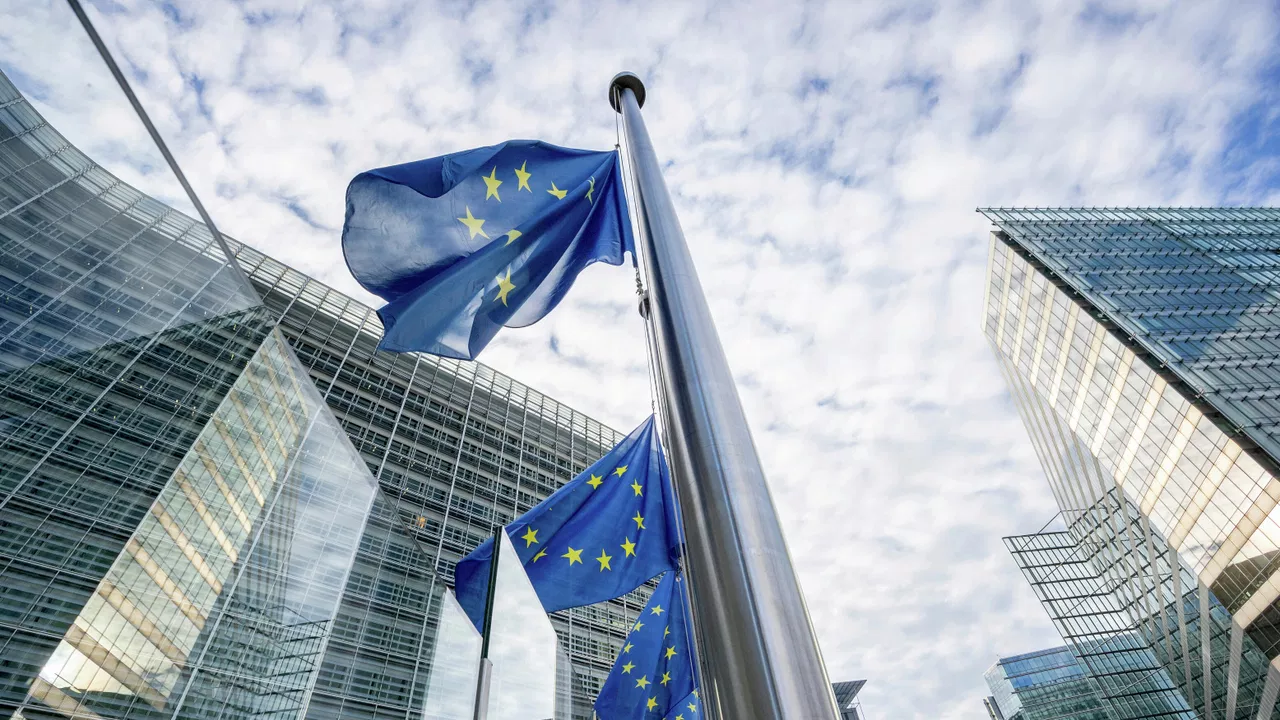
The Russian side confirmed it is ready to supply oil and petroleum products to American and global markets. This diesel deal is being read in Brussels as the clearest sign yet of a widening split among Western allies over Russia sanctions.
Ukrainian President Volodymyr Zelensky has reportedly called the arrangement unfair, given that no concessions were demanded on strikes against Ukrainian energy and civilian infrastructure.

 Mayur Mohta

 Pratik Agrawal
 Akshay Didwaniya