 The BRICS Times
India’s pharma exports worth billions to the US could face disruption as Trump unveils steep new tariff rules.

US President Donald Trump has announced a fresh wave of tariffs, declaring that branded and patented pharmaceutical drugs entering America will face a 100 per cent duty from October 1, 2025. The decision could hit India hard, as its pharmaceutical industry relies heavily on the American market.
“Starting October 1st, 2025, we will be imposing a 100 per cent Tariff on any branded or patented Pharmaceutical Product, unless a Company IS BUILDING their Pharmaceutical Manufacturing Plant in America,” Trump declared in a Truth Social post.
The announcement showed Trump’s continued belief in tariffs as a tool to reduce the budget deficit and boost local production. He made it clear that companies with factories under construction in the US would be exempt. “IS BUILDING will be defined as, ‘breaking ground’ and/or ‘under construction.’ There will, therefore, be no Tariff on these Pharmaceutical Products if construction has started,” he clarified.
This move is part of a wider tariff push. Trump has already levied a 50 per cent duty on kitchen cabinets and bathroom vanities, 30 per cent on upholstered furniture, and 25 per cent on heavy trucks. While no legal reasoning was offered, he justified the taxes as necessary “for National Security and other reasons.”
How India Could Be Impacted
The United States is India’s largest market for pharmaceutical products. In FY24, India exported goods worth $27.9 billion, with $8.7 billion (Rs 77,138 crore) going directly to the US, according to the Pharmaceuticals Export Promotion Council of India. In just the first half of 2025, exports worth $3.7 billion (Rs 32,505 crore) reached American shores.
Reports show India provides over 45 per cent of generic medicines and 15 per cent of biosimilars consumed in the US. Industry leaders like Dr Reddy’s, Aurobindo Pharma, Zydus Lifesciences, Sun Pharma and Gland Pharma earn 30–50 per cent of their revenues from American sales.
The tariff primarily targets branded and patented medicines, which are dominated by global multinationals. However, questions remain on whether complex generics and speciality medicines from India will also come under scrutiny. Several Indian drugmakers already have manufacturing plants in the US, but many depend solely on exports.
Experts warn that American consumers could face higher drug prices and shortages if tariffs affect Indian suppliers. Generic drugs from India are a lifeline for affordable healthcare in the US. Since Indian firms operate on thin margins, additional costs could be passed on to American patients or insurance providers.
Adding to the pressure, Trump has also introduced 50 per cent tariffs on Indian imports, along with a 25 per cent penalty on countries continuing to buy Russian oil, which includes India.

 Akshay Didwaniya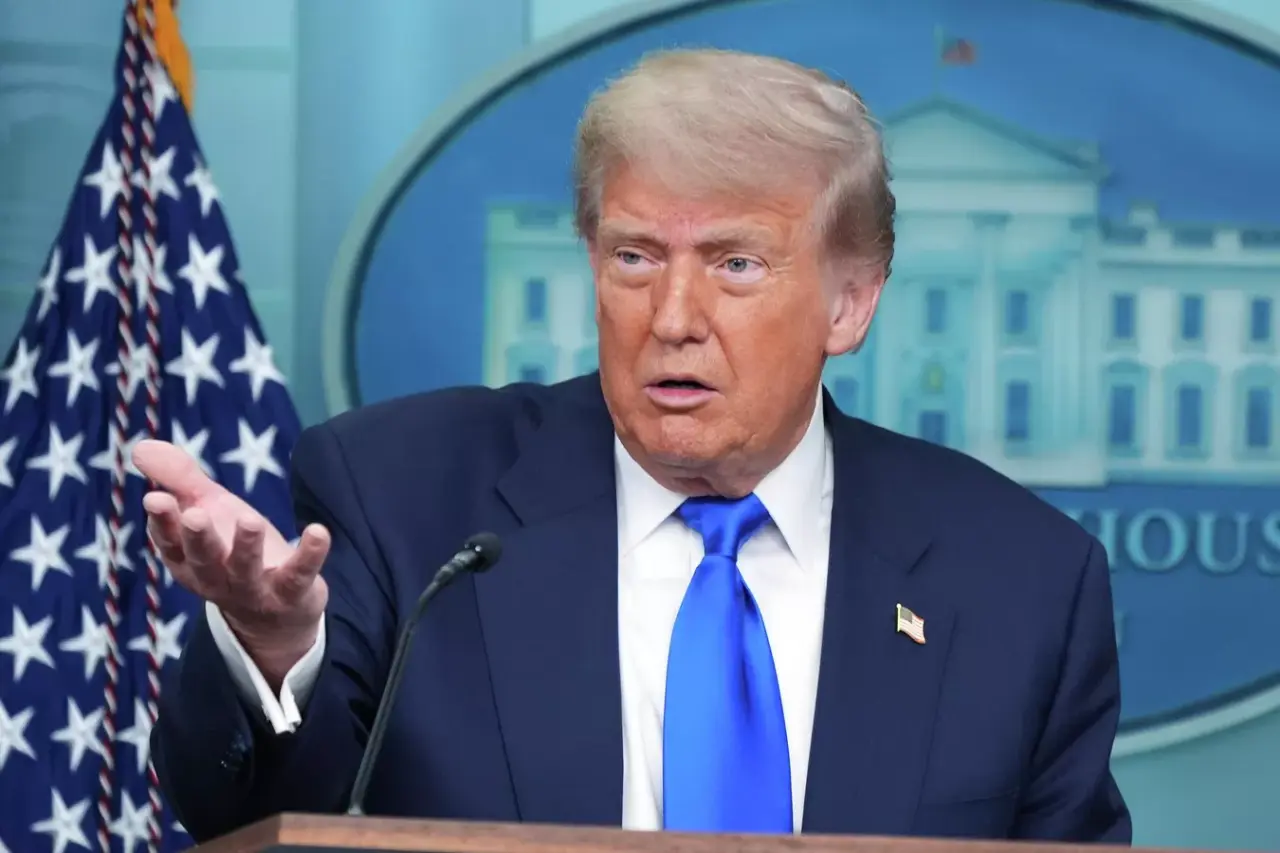

 Mayur Mohta