

 The BRICS Times
After months of blame, accusations, and diplomatic gridlock, Ukraine completed repairs to the Druzhba oil pipeline. Now Russian crude can flow to Hungary and Slovakia again and a massive EU loan may finally follow.

A pipeline, a veto, and nearly €90 billion on the line
Here is a number worth sitting with: €90 billion. That is roughly $96 billion the size of an EU loan package that Hungary’s outgoing Prime Minister Viktor Orbán held hostage for months. His condition was simple. Fix the Druzhba pipeline. Let Russian oil flow to Hungary and Slovakia again. Only then would he lift his veto.
On Tuesday, Ukraine blinked or rather, it fixed the pipe. Kyiv confirmed that repair work on the damaged section of the Druzhba oil pipeline is now complete. Ukrainian President Volodymyr Zelensky posted on social media: “Ukraine has completed repair work on the section of the Druzhba oil pipeline that was damaged by a Russian strike. The pipeline can resume operation.”
The announcement sent a jolt through European diplomatic circles. EU foreign policy chief Kaja Kallas told reporters in Luxembourg that a deal on the stalled loan funds is now expected within 24 hours. “I hope that everything goes well,” she said. “Hopefully, all the obstacles are removed.”
How a pipeline became a geopolitical weapon
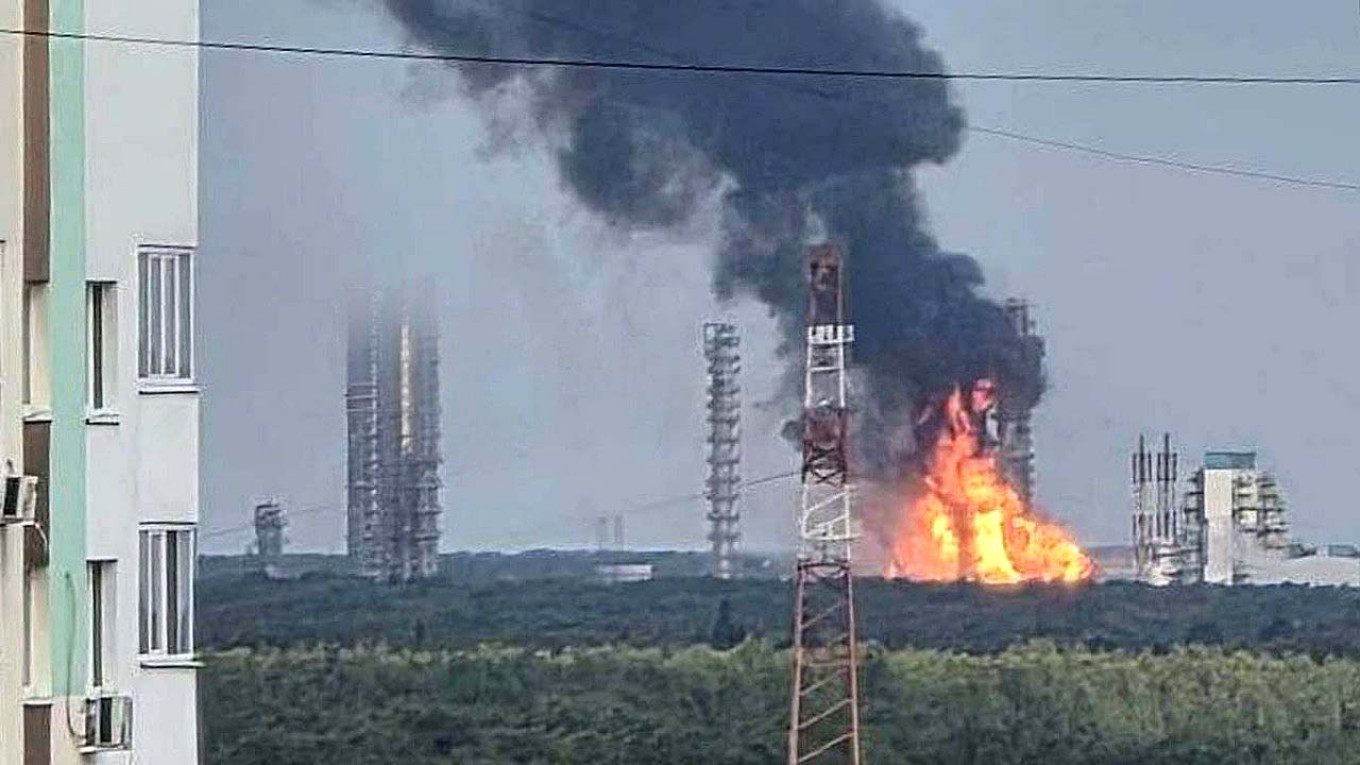
The Druzhba pipeline whose name ironically means “friendship” in Russian has carried crude oil from Russia deep into Central Europe for decades. Hungary and Slovakia depend on it significantly. When Ukraine announced in late January that Russian strikes had damaged the pipeline, it triggered a firestorm of accusations.
Budapest and Bratislava refused to accept Kyiv’s version. They accused Ukraine of deliberately stalling repairs to pressure both countries into withdrawing their resistance to EU aid decisions. Ukraine, in return, pointed at Russian missiles and insisted the damage was real. Months passed. The oil stopped flowing. The €90 billion sat frozen.
This was not just an energy dispute. It exposed a deep fracture inside the European Union itself — between members who want a harder line on Russia and those whose energy infrastructure keeps them financially entangled with Moscow.
Ukraine walks a diplomatic tightrope
The irony of this situation is sharp. Ukraine, a country at war with Russia, agreed to restart the flow of Russian crude oil through its own territory to unlock European financial support for its own survival.
Zelensky made sure to flag this contradiction himself. Even as he announced the pipeline’s repair, he pushed back against any idea that the move signals a softening on Russian energy. “We must continue systematic sanctions pressure on Russia over this war and work on further diversifying energy supplies to Europe,” he said.
He added: “Europe must be independent from those who seek to destroy or weaken it.”
The message was pointed and deliberate. Ukraine is not endorsing Russian oil it is doing what it must to keep Western financial support alive. A source in Kyiv confirmed that oil pumping to Hungary and Slovakia can begin as soon as a formal request arrives.
What happens next and why it matters beyond Europe
The immediate win for Ukraine is financial oxygen. Its wartime budget has taken severe punishment. Getting the EU’s €90 billion loan agreement unblocked could reshape Kyiv’s ability to keep fighting and rebuilding simultaneously.
For Europe, this moment highlights a vulnerability that no amount of diplomatic language fully disguises. Several EU members remain structurally dependent on Russian energy pipelines. Each time sanctions or war disrupts those flows, it creates political friction that Moscow and opportunistic internal voices like Orbán are able to exploit.
The Druzhba episode shows exactly how energy dependence translates into geopolitical leverage. Until Central European countries build credible alternative supply routes, these pressure points will keep returning. Pipeline repairs may fix the immediate crisis, but the deeper structural problem remains wide open.


 Mayur Mohta
 Akshay Didwaniya

 Aditya Didwaniya