 Pratik Agrawal
CENTCOM says the US has now redirected 130 vessels under its naval blockade of Iran, letting through more than 70 humanitarian ships while reporting 13 destroyed for breaching the cordon.

130 Ships Redirected So Far
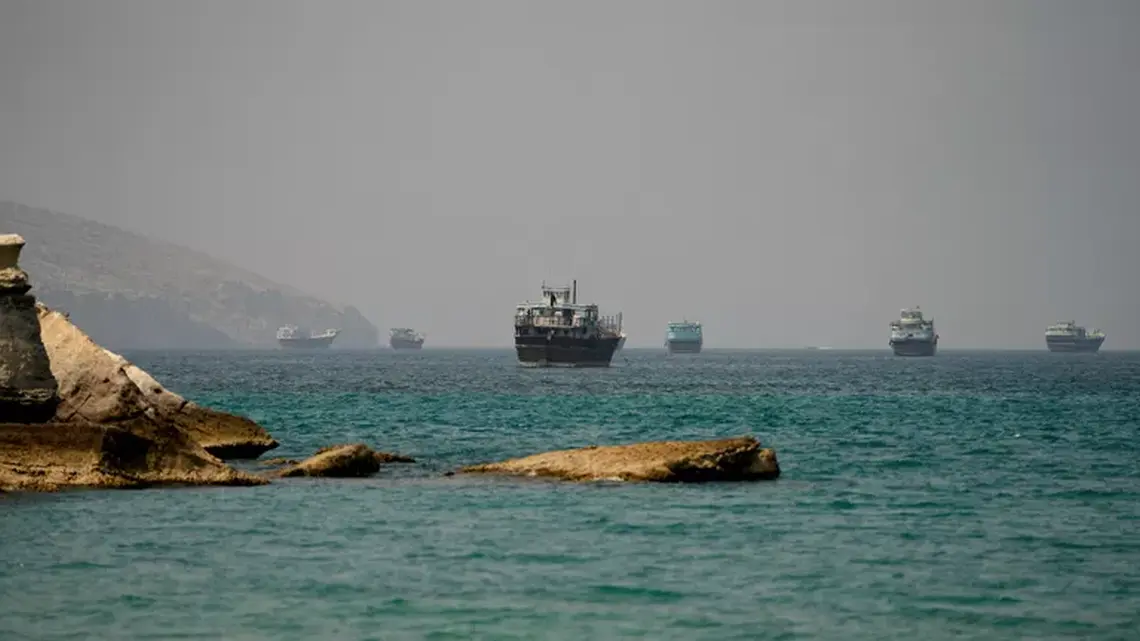
The US military has rerouted 130 commercial ships as part of its ongoing naval blockade of Iran, the US Central Command (CENTCOM) confirmed.
Just five days earlier, on October 1, CENTCOM reported that 125 vessels had already been redirected under the same blockade effort.
CENTCOM shared the update in a post on social media platform X. The statement read:
“””Central Command forces redirected the 130th commercial vessel in the Middle East as part of strict enforcement of the ongoing US naval blockade against Iran.”””
Humanitarian Ships Get a Green Light
CENTCOM said it allowed more than 70 vessels carrying humanitarian aid to pass through the blockade zone. The command also claimed that US forces destroyed 13 ships accused of violating the blockade.
Blockade Follows a Collapsed June Truce
Tehran and Washington signed a memorandum on the night of June 18, aiming to end a conflict that had started on February 28. Despite that deal, US forces carried out several rounds of strikes on Iran in July. CENTCOM said the strikes were a response to Iranian actions against commercial ships crossing the Strait of Hormuz.


 Aditya Didwaniya
 Mayur Mohta
 Akshay Didwaniya