

 Akshay Didwaniya
Iranian Foreign Minister Abbas Araghchi, visiting New Delhi for the BRICS Foreign Ministers’ conclave, said India holds the standing and diplomatic goodwill to play a far bigger role in calming the West Asia crisis. He welcomed Indian mediation even as he warned that a return to full-scale war remains a live possibility.

India Gets a Diplomatic Nod from Tehran
Iranian Foreign Minister Abbas Araghchi arrived in New Delhi this week and he came with a clear message. India, he said, has the credibility and the connections to do something no one else can right now help bring peace to a West Asia on the edge. Speaking at a press conference in the capital, following the BRICS Foreign Ministers’ meeting hosted by India, Araghchi made his case plainly. “I think India, with its good reputation, can play a greater role in this region to help bring peace to promote peace and security,” he said. He went further, adding: “We will appreciate any positive and constructive role played by India in this region.”
His remarks landed just hours after Prime Minister Narendra Modi speaking from Abu Dhabi during his five-nation tour said India stands ready to offer all possible support for restoring peace in the region.
Also Read | BRICS Foreign Ministers’ Meet Ends in Discord, West Asia Crisis Splits the Bloc
A Region Caught Between War and Diplomacy
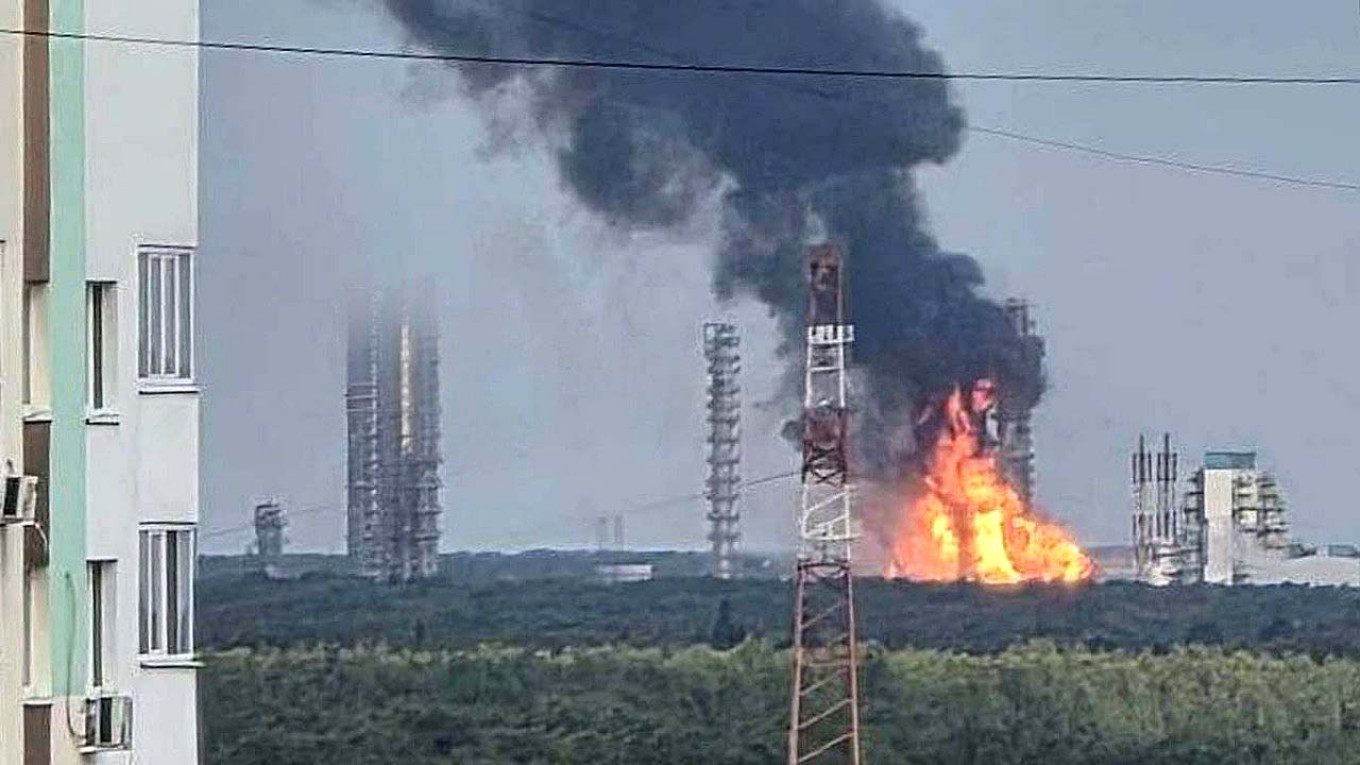
West Asia is walking a razor’s edge right now. Since hostilities broke out on February 28 drawing in the United States, Israel, and Iran a fragile ceasefire has held, but barely. The Strait of Hormuz, the world’s most critical oil shipping lane, has become the new frontline. The US enforced a naval blockade to squeeze Iran’s oil exports. Iran, in turn, clamped down on vessel movement through the strait. The result fuel prices worldwide have spiked sharply, and global energy markets remain deeply unsettled.
Araghchi described the maritime situation as “very complicated” but said Tehran is ready to let ships pass, as long as they are not in active conflict with Iran and coordinate with its navy first.
Araghchi Blunt on US Talks ‘Suffering from Trust’
On the stalled back-channel talks with Washington, Araghchi did not mince words. The negotiations, he said, are “suffering from trust.” “Iran has every reason not to trust the US, while Americans have every reason to trust us,” he said pointing to what he called “contradictory messages” from Washington as the main reason Iranian scepticism runs deep.
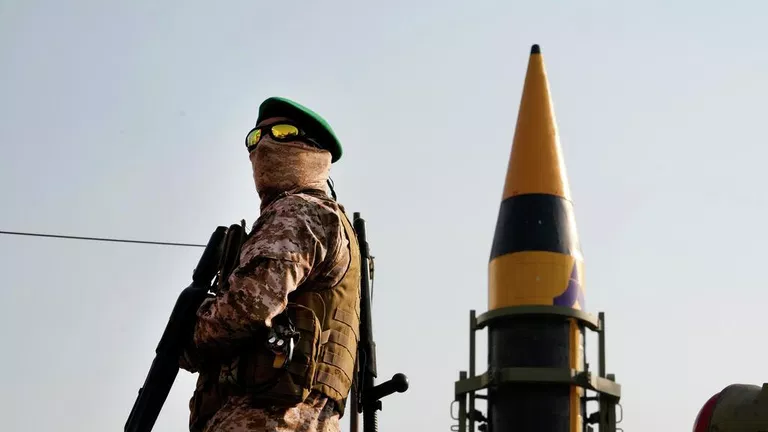
He acknowledged that Iran is trying to hold the ceasefire to “give diplomacy a chance” but left no room for doubt about the alternative. “We are prepared to go back to fighting, and we know how to defend ourselves, and we proved that in these 40 days of war, and we are also ready for diplomacy and a diplomatic solution,” he said. As a diplomat, he said, he remains optimistic but warned that a return to full-scale war cannot be ruled out.
Chabahar, Oil, and the Business of Bilateral Ties
Beyond the geopolitics, Araghchi pushed on several bilateral files. On the Chabahar port a project India and Iran have been jointly developing to boost regional connectivity he urged New Delhi to continue its commitment, calling it a gateway beneficial to multiple countries. India is currently weighing its options after a US sanctions exemption on the project expired.
On energy, the Iranian minister made Tehran’s position crystal clear. India was once a major buyer of Iranian crude and Tehran wants that business back. “India has been a customer of Iranian oil in the past. It has been stopped by India because of the illegal and unilateral sanctions by the US,” he said. “We are obviously interested to continue our business in oil and energy, and we are ready to sell our oil to India.” He put the historical scale of the relationship in perspective the two countries once traded more than $20 billion a year. Sanctions have slashed that figure, though bilateral trade still runs into billions.
Araghchi made clear the decision now rests with New Delhi. “We have no problem it is up to the Indian government to decide,” he said, adding that once sanctions lift, he expects trade volumes to bounce back fast.
Jaishankar Talks, Modi Signal, India’s Dual Diplomatic Track
The Iranian minister also touched on the substance of his meetings in Delhi. He held wide-ranging talks with External Affairs Minister S. Jaishankar covering everything from the Strait of Hormuz to the broader Persian Gulf situation. “Our positions are more or less close, and we have the same concerns and the same interests in this important region,” he said. “So we continue to coordinate with our Indian colleagues.” He also had a brief exchange with PM Modi during the BRICS sidelines a signal, in diplomatic terms, of just how seriously Tehran views this particular visit.
Iran has never sought nuclear weapons, Araghchi also reiterated pushing back against mounting Western pressure on that front.
Meanwhile, US President Donald Trump has publicly warned that his “patience with Iran is running out” and has demanded the immediate reopening of the Strait of Hormuz. The clock, it seems, is ticking for diplomacy.



 Mayur Mohta

 Aditya Didwaniya