 Akshay Didwaniya
Deep cracks within the expanded BRICS grouping over the worsening West Asia conflict forced India, as Chair, to release only a Chair’s statement not a traditional joint declaration after two days of intense talks in New Delhi. The outcome document openly admitted member nations could not agree on the Middle East situation, laying bare serious geopolitical fault lines within the bloc.

BRICS Foreign Ministers Gather in New Delhi But Leave Without a Unified Statement
The two-day BRICS Foreign Ministers’ Meeting in New Delhi ended on a fractured note. Deep disagreements over the raging West Asia conflict stopped member nations from releasing a joint declaration the most visible symbol of bloc unity. India, holding the 2026 BRICS chairmanship, had no choice but to publish only a Chair’s statement and outcome document. This happened after two exhausting rounds of negotiations failed to bridge the gap.
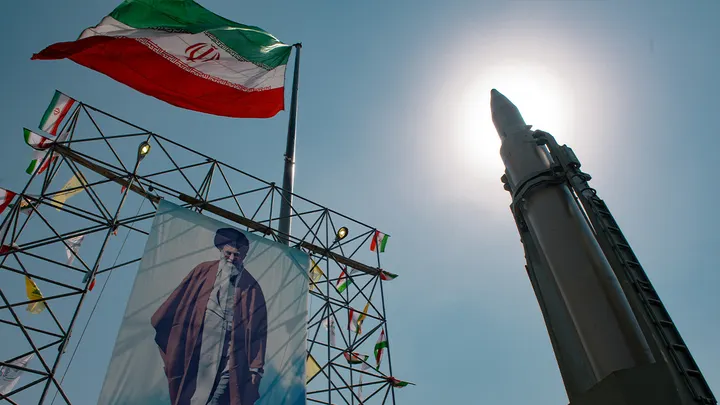
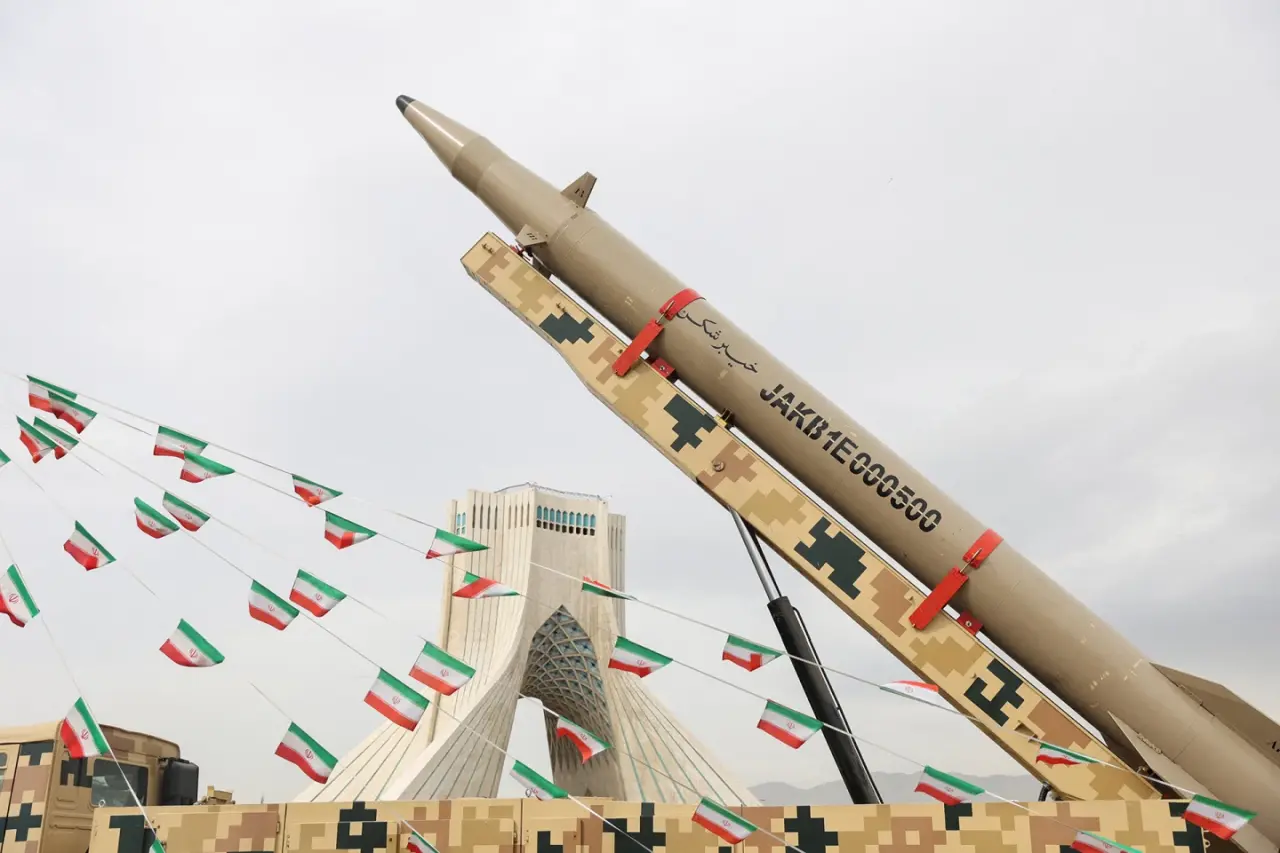
The outcome document itself did not shy away from the reality on the ground. It openly conceded that member nations were not on the same page regarding West Asia. “There were differing views among some members as regard to the situation in the West Asia/Middle East region,” the document stated, adding that members articulated “a range of perspectives” on issues relating to sovereignty, diplomacy, maritime security and protection of civilians.
A Bloc Pulling in Different Directions
Despite the visible rift, BRICS ministers pressed for an early resolution of the conflict. They urged a path through dialogue and diplomacy not escalation. Ministers also raised alarm over the knock-on effects of the crisis on global trade, energy supplies, and the broader world economy.
The outcome document reaffirmed BRICS’ backing for a sovereign Palestinian state within the 1967 borders, with East Jerusalem as its capital. It also demanded an immediate ceasefire, unhindered humanitarian access in Gaza, and full implementation of relevant UN resolutions.
Two Contested Paragraphs Expose the Internal Rift
The true extent of BRICS’ internal divide became impossible to ignore two key paragraphs in the outcome document carried an unusual footnote. Both paragraphs noted that “a member had reservations on some aspects” of the text. This is a rare and telling admission for a bloc that prides itself on consensus.
The first contested paragraph reaffirmed that the Gaza Strip remains “an inseparable part of the Occupied Palestinian Territory.” It underlined the need to reunite Gaza and the West Bank under the Palestinian Authority. It also reiterated support for the Palestinian people’s right to self-determination and an independent Palestinian state.
The second disputed paragraph addressed maritime security in the Red Sea and the Bab al-Mandab Strait. It stressed freedom of navigation under international law, backed diplomatic efforts tied to the Yemen peace process under UN auspices, and flagged the deepening humanitarian crisis in Yemen.
These two reservations reflected a broader lack of unanimity within BRICS particularly as tensions over Gaza, the Red Sea, and regional power alignments keep intensifying.
Jaishankar Pushes Hard for Global Governance Reforms
External Affairs Minister S. Jaishankar chaired the meeting and used it to push strongly for reforms of global governance institutions. The UN Security Council, the International Monetary Fund, and the World Bank were all on the table. The document renewed support for expanding the UN Security Council in both permanent and non-permanent categories.
China and Russia reiterated their backing for India and Brazil to play a larger role in the UN including in the Security Council. This signals continued momentum for New Delhi and Brasilia’s long-standing aspirations for permanent seats.
BRICS Condemns Pahalgam Terror Attack
The BRICS ministers did not hold back in condemning the Pahalgam massacre the terror attack in which 26 people lost their lives. The ministers condemned terrorism “in all its forms and manifestations”, called for zero tolerance against terror and urged concerted action against UN-designated terrorists and terror entities.
Without naming Pakistan directly, the outcome document raised sharp concerns over cross-border terrorism, terror financing, and the existence of safe havens for terror groups. The message though diplomatically worded was unmistakably pointed.
Trade Tensions, Digital Governance, and Climate on the Agenda
The meeting took place against a backdrop of rising global trade tensions. BRICS members raised serious concerns over the surge in tariff and non-tariff barriers many of which run counter to WTO rules. Ministers reaffirmed their support for a rules-based multilateral trading system.
Ministers also backed stronger cross-border payment systems among BRICS nations. This signals an ongoing push to reduce dependence on traditional financial mechanisms long dominated by Western institutions.
Climate change, artificial intelligence, and digital governance also found a prominent place in the talks. Ministers committed to advancing cooperation on AI governance, cybersecurity, digital infrastructure, and climate finance. They stressed the importance of equitable access for developing nations not just the wealthy ones.
India’s Chairmanship Agenda Takes Centre Stage
India used its chairmanship spotlight to highlight priorities such as resilient supply chains, sustainable energy transitions, digital public infrastructure, disaster-resilient infrastructure, and innovation-led growth.
BRICS ministers expressed full support for India’s 2026 chairmanship theme “Building for Resilience, Innovation, Cooperation and Sustainability.” They pledged to work together toward a “more democratic, representative and equitable international order.”
The next BRICS Foreign Ministers’ Meeting will take place in China on the sidelines of the UN General Assembly session later this year.


 Aditya Didwaniya
 Mayur Mohta
 Pratik Agrawal