

 Akshay Didwaniya
Despite a fragile ceasefire still holding, Iran has quietly restarted drone manufacturing and US intelligence now fears Tehran’s military is bouncing back far faster than anyone predicted after devastating US-Israeli strikes.

Iran Restarts Drone Production Mid-Ceasefire, Alarming US Officials
Iran wasted no time. Even as a six-week ceasefire held since early April, the country quietly resumed parts of its drone manufacturing a clear signal it never truly stepped back from its military ambitions. US intelligence officials say Iran’s armed forces are reconstituting at a pace nobody expected, raising fresh alarms in Washington.
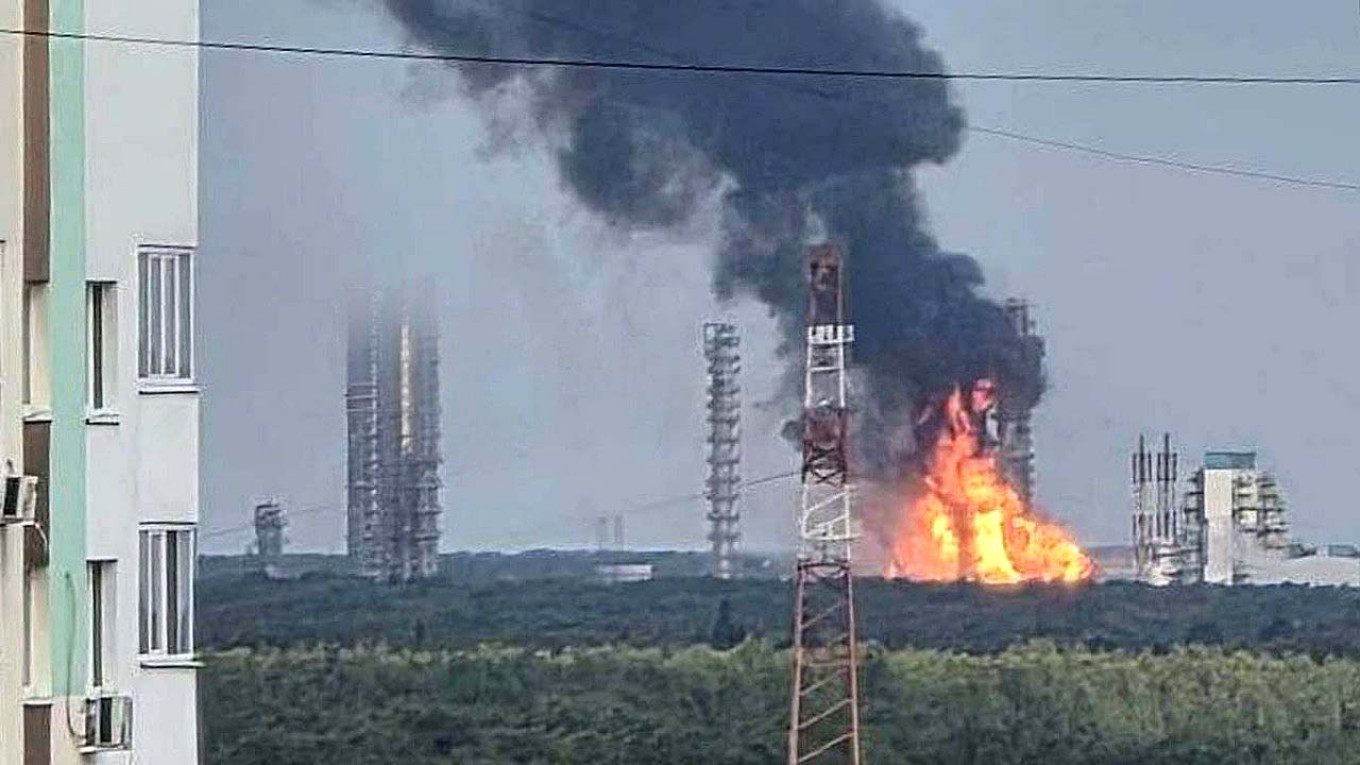
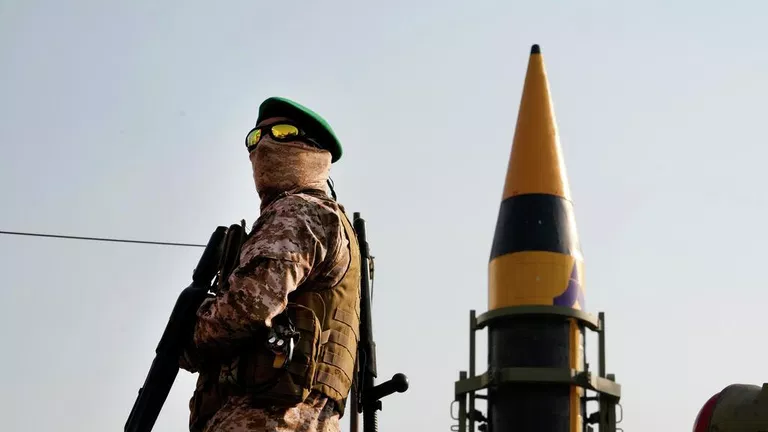
Four sources familiar with classified intelligence told reporters that Iran is rapidly replacing what was destroyed missile sites, launch systems, and the production lines that keep its weapons flowing. This swift recovery means Iran still poses a serious danger to US allies across the Middle East especially if President Donald Trump decides to restart the bombing campaign.
“Iranians Have Exceeded All Timelines” US Official
A US official delivered a blunt assessment: “The Iranians have exceeded all timelines the IC had for reconstitution.”
That statement carries weight. Some intelligence estimates now suggest Iran could fully restore its drone attack capability within just six months. Drone strikes are a particular worry for American allies in the Gulf nations that sit well within range of both Iranian missiles and drones.
Trump himself has repeatedly warned he would resume combat operations if nuclear talks collapse. He even told reporters publicly this week that he had been just one hour away from ordering fresh strikes making Iran’s fast military recovery all the more consequential.
Russia and China Are Helping Iran Rebuild
Iran isn’t doing this alone. One key reason for its surprisingly rapid comeback is the support it continues to receive from Russia and China even as the conflict rages. China has reportedly kept supplying components that feed directly into Iran’s missile production lines, two sources familiar with US intelligence told reporters.
Israeli Prime Minister Benjamin Netanyahu acknowledged as much, telling CBS last week that China is giving Iran “components of missile manufacturing” though he declined to go into specifics. China’s Foreign Ministry flatly denied the claims, with spokesperson Guo Jiakun calling the allegations “not based on facts.”
Another reason for the fast recovery: US and Israeli strikes simply did not inflict as much damage as both governments had hoped.
Half the Launchers Survived More Are Being Dug Out
Earlier reporting revealed that roughly half of Iran’s missile launchers survived the initial US strikes. A more recent intelligence figure pushes that number even higher to about two-thirds partly because the ceasefire gave Iran time to excavate launchers that were buried by previous bomb blasts but never actually destroyed.
Additionally, roughly 50% of Iran’s drone fleet remains intact, two sources previously told reporters. A large portion of its coastal defense cruise missiles which could threaten shipping lanes through the vital Strait of Hormuz also survived, because the US air campaign largely avoided coastal military targets.
Pentagon and CENTCOM at Odds Over True Damage
The picture emerging from intelligence circles clashes sharply with what senior US military officials are saying in public. CENTCOM commander Admiral Brad Cooper testified before the House Armed Services Committee this week, declaring that Operation Epic Fury had destroyed 90% of Iran’s defense industrial base and set the country back “for years.”
But intelligence assessments tell a different story. Two sources told reporters that Cooper’s testimony does not match what the intelligence actually shows. One source put it plainly the damage to Iran’s defense industrial base has likely set back reconstitution by months, not years.
Chief Pentagon spokesman Sean Parnell pushed back on any suggestion that America’s position had weakened. “America’s military is the most powerful in the world and has everything it needs to execute at the time and place of the President’s choosing,” Parnell stated.
A Warning the War Is Far From Over
Put it all together and the picture is sobering. Iran’s military is battered but it is not broken. Tehran has shown a real ability to limit the long-term damage of US-Israeli strikes by rebuilding quickly and cleverly.
With Trump threatening fresh bombing runs and Iran still maintaining ballistic missile, drone, and air-defense capabilities despite the conflict, the region remains on a knife’s edge. The ceasefire may have bought time but intelligence officials warn it may have given Iran exactly the breathing room it needed.



 Mayur Mohta

 Aditya Didwaniya