Mayur Mohta
Tehran has reportedly engineered a tactical breakthrough deploying missiles that travel at extreme speeds and execute sharp manoeuvres close to the ground, effectively outsmarting American defence systems. Two US soldiers were killed in Jordan as Washington battles to contain a fast-escalating crisis.

Iran’s Missiles Are Now Moving Too Fast for US Defence Systems
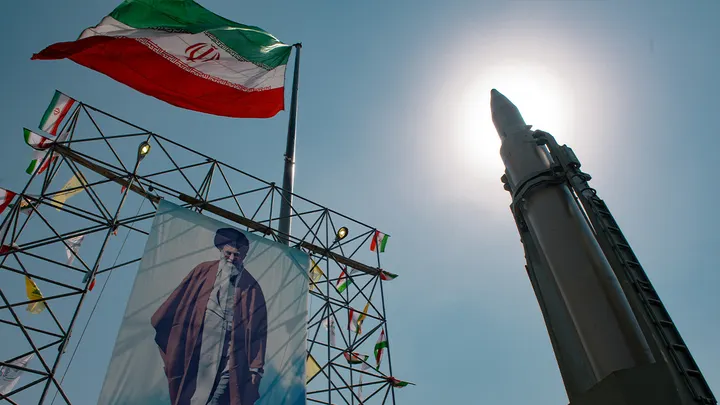
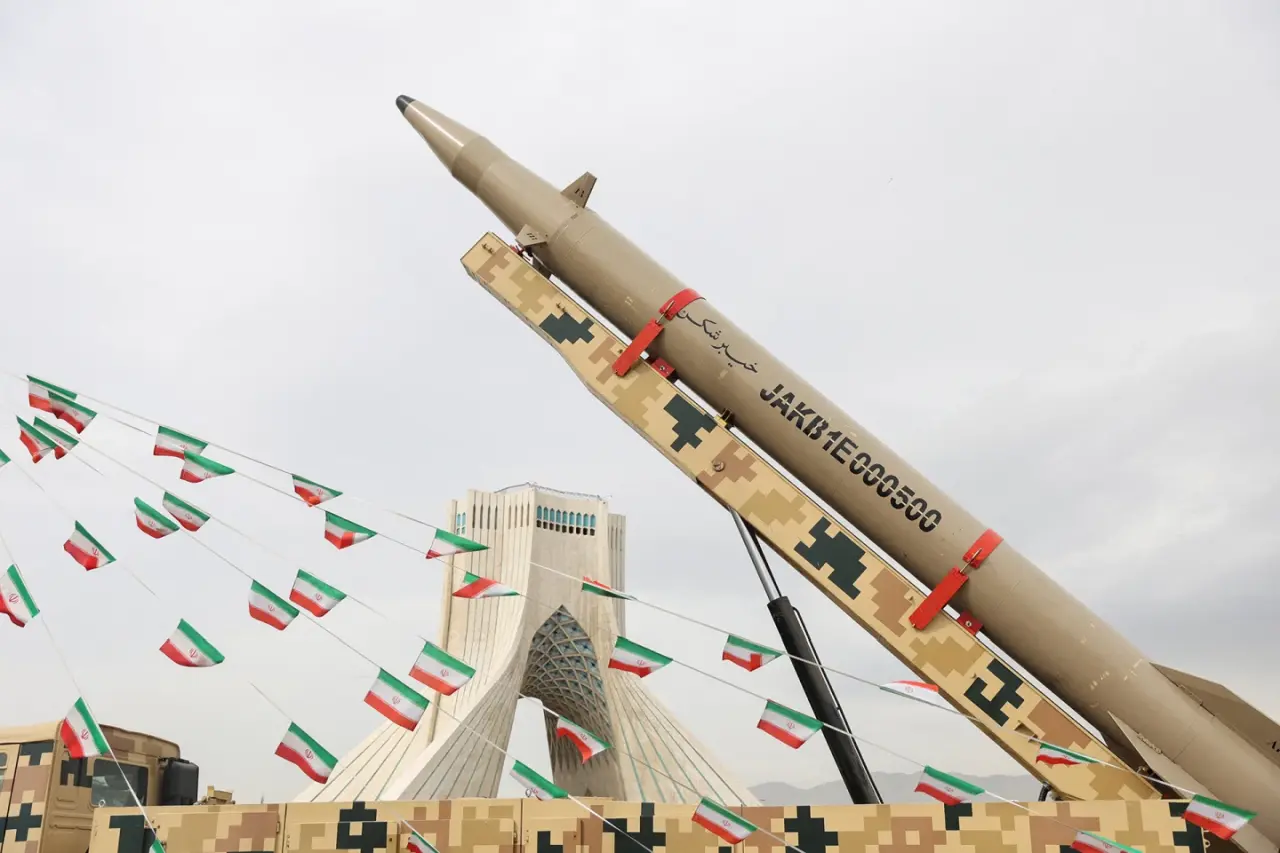
Tehran has found a way to punch through America’s most advanced air defence systems and Washington is alarmed. Iranian forces have begun deploying missiles that fly at extraordinarily high speeds and sharply change course just before impact. The tactic is effectively defeating the defence layers US forces have deployed in the region.
American officials confirmed this alarming shift in Iran’s missile strategy. The report surfaced as tensions between Washington and Tehran reached a dangerous new peak one that has already drawn blood on both sides.
Two US Soldiers Killed in Jordan Amid Escalating Attacks
The US Central Command known as CENTCOM confirmed the deaths of two American service members in Jordan. They were killed while defending against an Iranian missile attack. The loss marks a serious human cost in what is rapidly becoming a full-blown military confrontation.
Iran’s missiles struck despite active American defence measures being in place. The speed and agility of the incoming projectiles gave defence systems little time to react let alone intercept them successfully.
China or Russia Helping Iran? Washington Suspects External Guidance
The precision of Iran’s strikes has triggered a darker concern inside Washington. Officials and sources close to the matter believe Tehran may be receiving targeting assistance from either China or Russia. The suspected external guidance if confirmed would mark a significant geopolitical escalation. No concrete evidence has been presented to support the claim.
“Iran has adapted to US defence systems by using missiles that move at extremely high speeds and can manoeuvre as they approach the ground, US officials said,” sources close to the matter disclosed.
Ceasefire Collapses: Hostilities Resume Full Force
Washington and Tehran had briefly stepped back from the brink. The two sides signed a memorandum just three weeks ago an agreement meant to bring the conflict to a close. That framework has now completely collapsed.
Hostilities resumed on 8 July, when President Donald Trump declared the ceasefire void. He accused Iran of attacking commercial vessels passing through the Strait of Hormuz a vital global shipping lane. Trump’s declaration opened the door to fresh strikes on both sides.
Iran Shuts the Strait of Hormuz: A Major Global Warning
In the early hours of Sunday, Iran announced a dramatic countermove. Tehran declared the Strait of Hormuz closed to navigation until the United States pulls back from the region entirely. The move sent shockwaves through global energy markets and shipping circles.
The Strait of Hormuz is one of the world’s most critical chokepoints nearly a third of the world’s seaborne oil passes through it. Iran’s decision to seal it off represents one of the most serious escalation moves in the current standoff.
A Three-Week Peace Now a Distant Memory
The memorandum signed just weeks ago had raised hopes of a stable, negotiated end to the conflict. Those hopes evaporated quickly. Within three weeks of the signing, both countries resumed targeting each other’s assets erasing whatever goodwill had been established.
The current round of escalation raises urgent questions about what comes next and whether any diplomatic channel remains open to prevent a wider regional war.

 Akshay Didwaniya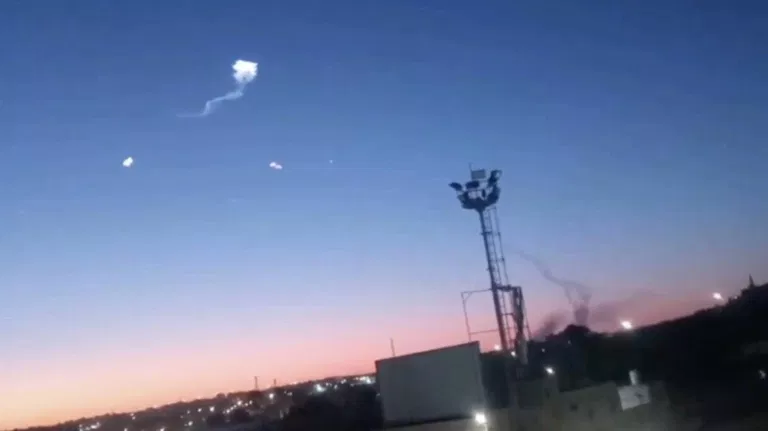
 Aditya Didwaniya

 Pratik Agrawal