 The BRICS Times
Pakistan and Oman continue working behind the scenes to stop the US-Israel war on Iran from reigniting as Tehran turns to Moscow for a diplomatic lifeline.

Iran’s top diplomat lands in Russia for urgent war talks with Putin
Iranian Foreign Minister Abbas Araghchi touched down in Russia on Monday carrying Tehran’s most pressing war diplomacy to the Kremlin. He told Iranian media he made the trip “with the aim of continuing close consultations between Tehran and Moscow on regional and international issues.” His meeting with Russian President Vladimir Putin, he said, “will be a good opportunity to discuss developments in the war and review the latest situation.”
Araghchi added: “I am confident that these consultations and coordination between the two countries in this regard will be of particular importance.”
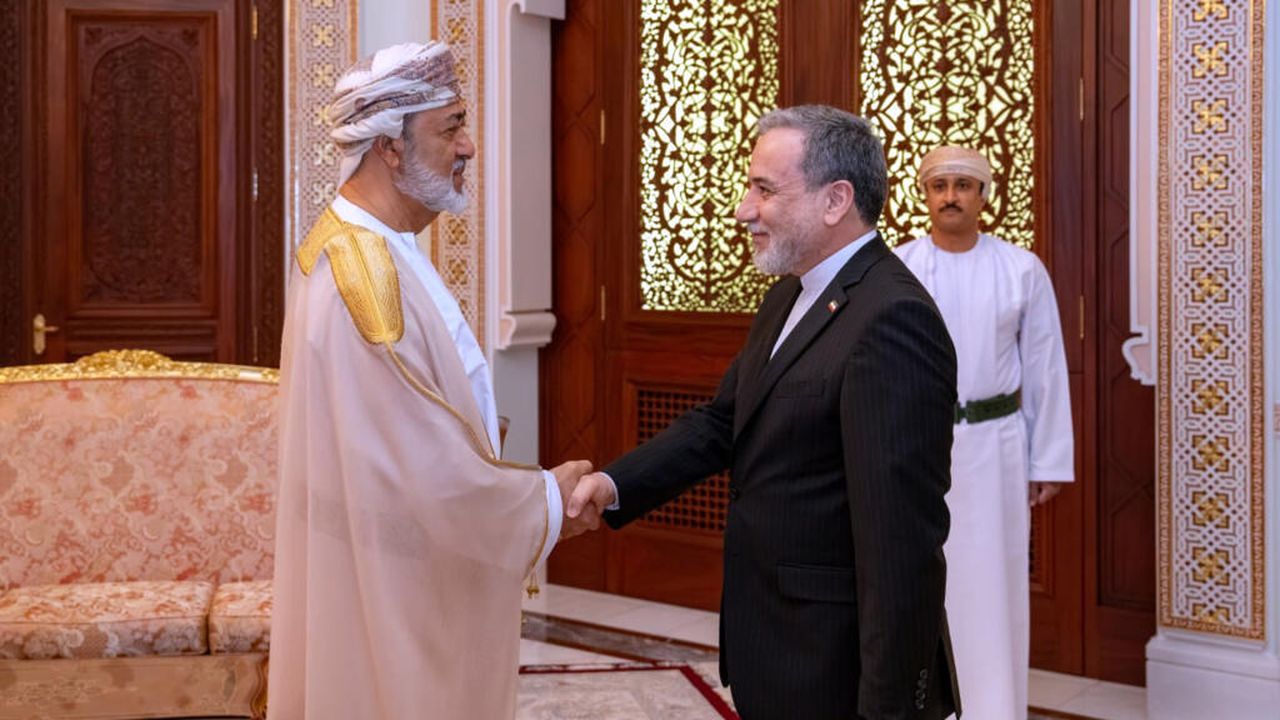
The Russia visit followed an earlier stop in Muscat, where Araghchi sat down with Omani officials. Iran is working aggressively to build international support for fresh peace talks and Moscow is now very much at the centre of that push.
A fragile ceasefire under serious strain
Washington and Tehran struck a temporary ceasefire on April 8 nearly five weeks after the US and Israel launched strikes on Iran. Pakistan brokered that truce, but the agreement has grown increasingly shaky. Disputes over shipping through the Strait of Hormuz and a sweeping US naval blockade on Iranian ports have pushed it to the edge. A separate front involving Israel and Lebanon is further clouding any path to lasting peace.
Iran’s President Masoud Pezeshkian made Tehran’s position clear his government will not come to the negotiating table while the blockade stays in place.
The US Central Command confirmed its forces are still enforcing the maritime blockade. “American forces have directed 38 ships to turn around or return to port,” CENTCOM stated.
Russia holds the keys to both peace and confrontation
Analysts say Russia’s role in whatever comes next whether diplomacy or renewed fighting will be decisive. “We have a scenario for diplomatic settlement and another for confrontation,” said one reporter tracking the conflict closely. “Russia is going to play a key role when it comes to both, so Iran’s FM is there for consultations over most probably both. We know that Iran has several demands and is trying to prioritise them based on the situation. One is obviously the situation at the Strait of Hormuz, the possibility of the extension of the ceasefire, or another confrontation.”
Araghchi’s Kremlin visit comes just days after a notable diplomatic setback. US President Donald Trump cancelled a planned trip to Pakistan’s capital Islamabad by Special Envoy Steve Witkoff and adviser Jared Kushner blaming “tremendous infighting and confusion” within Tehran’s leadership. That cancellation threw the fragile backchannel diplomacy into fresh uncertainty.
Yet informal channels remain alive. Iran reportedly sent written messages to Washington through Pakistani mediators laying out its red lines on nuclear issues and the Strait of Hormuz. A separate proposal decoupling the maritime crisis from nuclear talks entirely was also said to be floated over the weekend.
Pakistan pushes hard to keep diplomacy from collapsing
Trump was blunt in his assessment on Sunday. Iran had “offered a lot, but not enough,” he said, before adding that Iranian leaders “can come to us, or they can call us” if they want to restart negotiations.
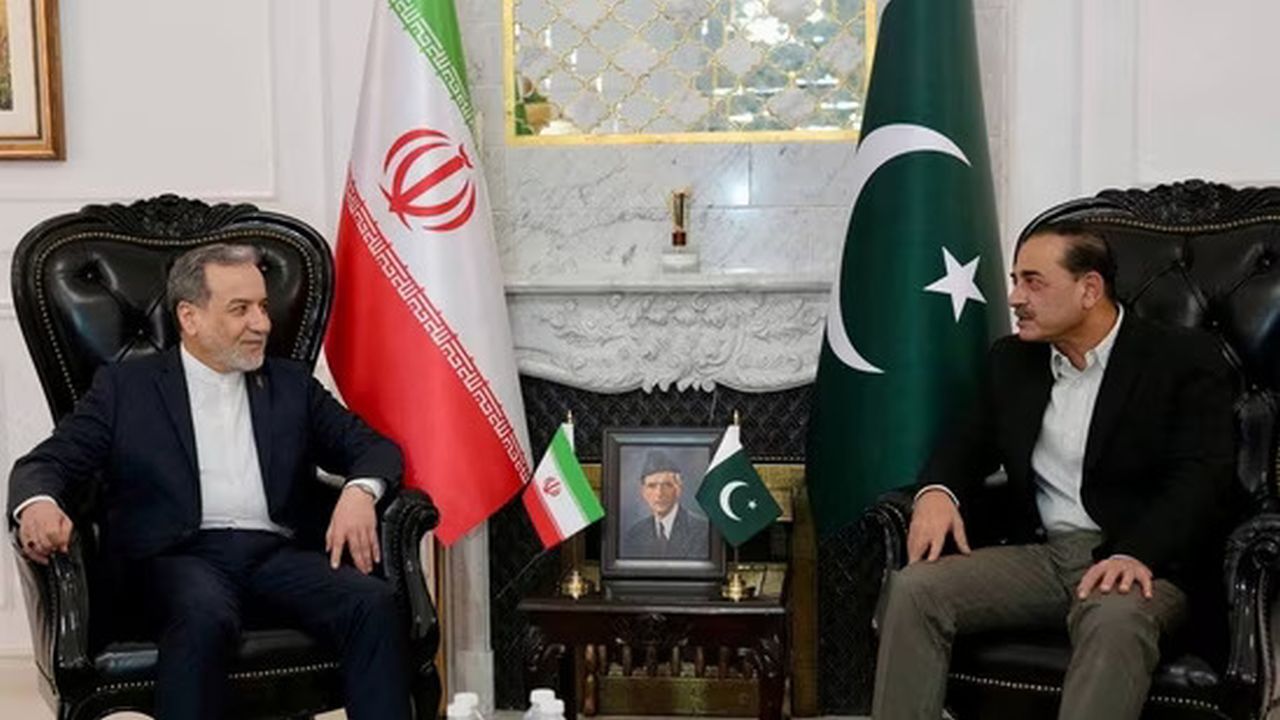
Araghchi had earlier called his talks in Islamabad “very productive” saying they covered “the specific conditions under which negotiations between Iran and the US could continue.”
Pakistani officials, for their part, remain quietly optimistic. “According to one diplomatic source, recent events have served as a catalyst, that there needs to be a permanent end to hostilities,” said one report from Islamabad. Officials there suggest the two sides are edging toward a broader framework one that could bring not just Tehran and Washington to the table, but Gulf nations as well.
“We are being told here in Islamabad that we are inching towards a framework of sorts, which will provide a background to which all of these sides can come to an agreement and not just the Iranians and the Americans, but essentially the Gulf countries as well.”
The wider economic fallout from the conflict shows no sign of easing. Iran’s closure of the Strait of Hormuz continues to choke global oil and gas flows driving energy prices sharply higher and stoking food security fears across developing nations.