 The BRICS Times
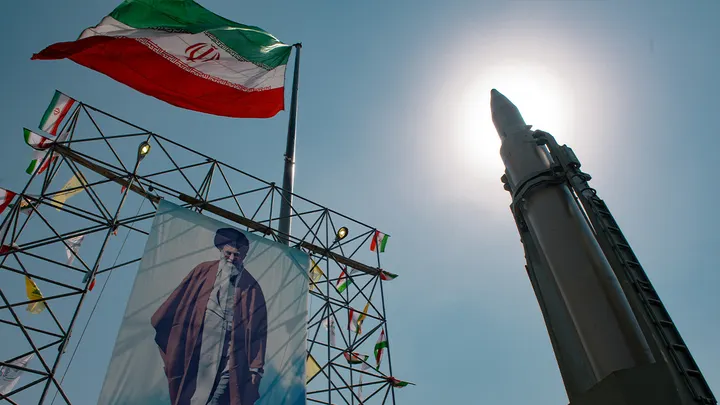
Tehran has reportedly handed Washington a brand-new proposal through Pakistani mediators one that sidesteps the nuclear issue entirely for now and instead zeroes in on reopening the Strait of Hormuz, ending the war, and pushing atomic negotiations to a later stage.

Iran bypasses nuclear deadlock with a bold new strategy
Tehran has handed Washington a fresh three-pronged proposal and it comes with a clear message: let’s fix the crisis on the water first, and talk about nuclear matters later. The move signals a significant shift in Iran’s diplomatic approach. Diplomacy between the two nations has hit a wall in recent weeks. Iran’s leadership remains sharply divided on what nuclear concessions it is willing to offer. So Tehran is now trying a different route one that sidesteps the atomic standoff altogether and moves toward a faster, more immediate deal.
The new proposal, passed to the US through Pakistani mediators, has three core focus points reopening the Strait of Hormuz, establishing a long-term or permanent end to the war, and pushing nuclear negotiations to a later stage. Iran’s Foreign Minister Abbas Araghchi personally raised this plan during meetings in Islamabad over the weekend. He made it clear to mediators from Pakistan, Egypt, Turkey and Qatar that no clear internal agreement exists on how to meet Washington’s nuclear demands.
The Strait of Hormuz sits at the heart of this crisis
The Strait of Hormuz is no ordinary waterway it carries a significant chunk of the world’s oil supply. Closing it has sent global energy markets into a spin. Iran shut it down following the US-Israel military campaign that began in late February 2026. The US responded with its own counter-blockade, cutting off access to Iranian ports from mid-April onward.
Iran now wants the American blockade lifted before any fresh round of nuclear talks begins. Tehran is also reportedly trying to convince Oman a fellow coastal state to support a toll-collection mechanism for vessels using the strait. Araghchi visited Muscat on Saturday and held talks with Omani officials focused directly on the waterway. Both sides agreed to continue expert-level consultations on ensuring safe maritime transit.
A permanent ceasefire could be part of the package
Under Iran’s new proposal, the existing ceasefire could either be extended for a long period or the two sides could agree on a permanent end to the war altogether. Nuclear negotiations would then follow only after the blockade is lifted and tensions ease on the ground. The plan is essentially Tehran’s attempt to remove the immediate flashpoints first and deal with the harder nuclear questions in a more stable environment later.
However, this approach carries a major risk for Washington. Lifting the blockade and ending the war would strip President Trump of his most powerful leverage the ability to pressure Iran into giving up its enriched uranium stockpile and suspending uranium enrichment. Those two goals remain Trump’s primary red lines in any deal.
Trump’s team weighs the proposal but leverage is the sticking point
President Trump is expected to gather his top national security and foreign policy team for a Situation Room meeting on Iran. Three US officials confirmed the meeting. His team will go over the current stalemate in talks and map out possible next steps. Trump himself has repeatedly said he will accept nothing less than Iran’s full commitment to ending its nuclear programme.
Iran currently holds around 440 kilograms of uranium enriched to 60 percent purity, technically a short step away from weapons-grade levels, with no legitimate civilian use. The US has been demanding that Iran suspend enrichment for at least a decade and ship its stockpile out of the country.
Trump told journalists on Saturday that just minutes after calling off his envoys Steve Witkoff and Jared Kushner’s planned trip to Islamabad, Iran sent what he called a “much better” proposal. He did not elaborate but reiterated his firm position: “Iran will not have a nuclear weapon.”
Military threats continue even as diplomacy moves forward
Behind the diplomatic back-and-forth, both sides have kept up military pressure. Iran’s joint military command issued a stark warning over the weekend stating that if the US continues what it described as “aggressive military actions, including naval blockades, banditry, and piracy,” it will face a “strong response.” Trump, for his part, last week ordered the military to “shoot and kill” small boats suspected of planting mines in the waterway.
Meanwhile, Araghchi was scheduled to travel to Moscow on Monday to meet Russian President Vladimir Putin, a move that signals Tehran is keeping its diplomatic channels wide open on multiple fronts as it tries to break the deadlock with Washington.


 Mayur Mohta
 Pratik Agrawal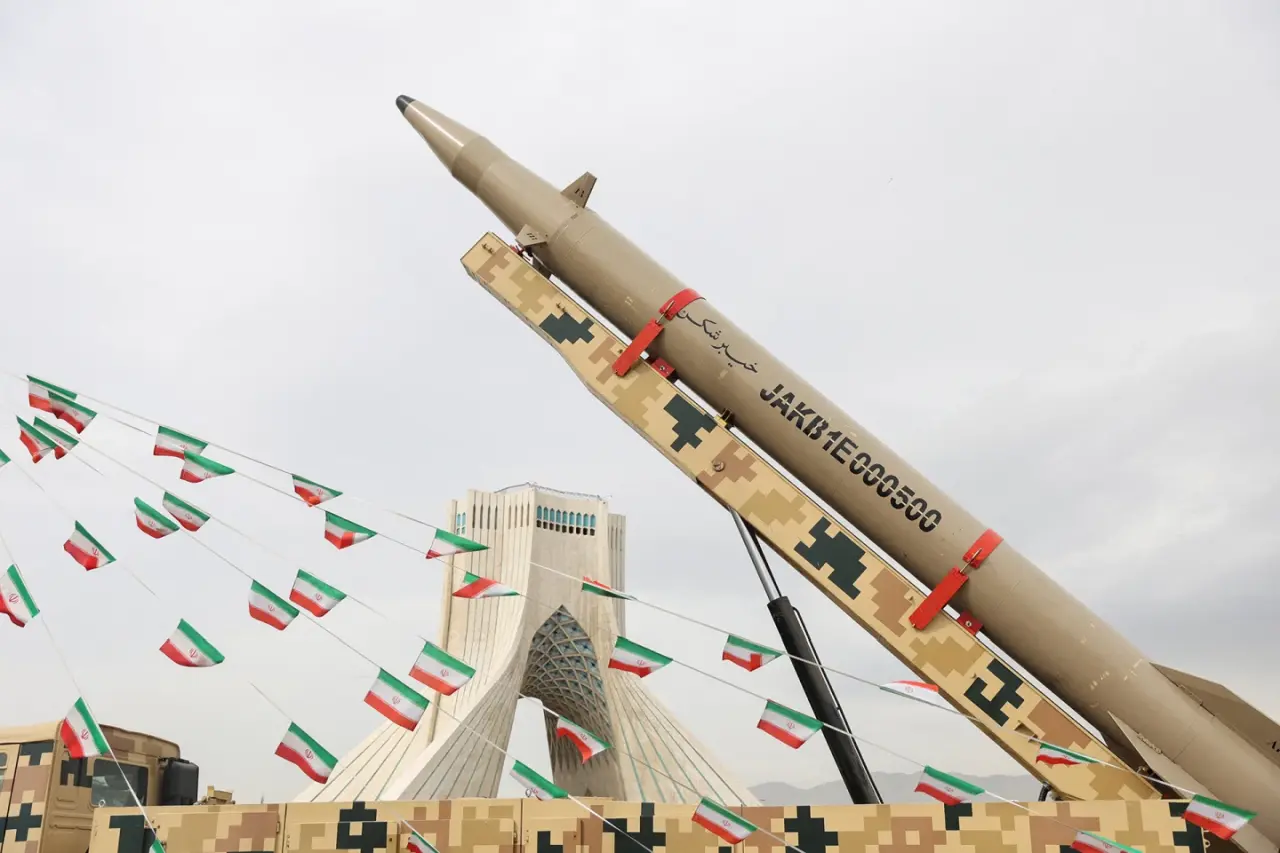
 Akshay Didwaniya
 Aditya Didwaniya