 The BRICS Times
Iranian Foreign Minister Abbas Araghchi wrapped up a dramatic double visit to Islamabad calling it “very fruitful” even as American negotiators never showed up, President Trump cancelled his envoys’ trip, and ceasefire diplomacy between Tehran and Washington found itself in an awkward limbo.

Iran’s top diplomat lands twice in Islamabad in 48 hours
Iranian Foreign Minister Abbas Araghchi made not one but two visits to Pakistan’s capital Islamabad within 48 hours. The back-to-back trips came as Pakistan’s military and political leadership pushed hard to keep ceasefire negotiations alive. Meanwhile, the US-Iran talks once showing early promise had clearly hit a wall.
Araghchi first arrived in Islamabad on Friday. He held key meetings with Pakistan’s Army Chief Field Marshal Asim Munir widely seen as Islamabad’s most powerful broker in this conflict. He also met Prime Minister Shehbaz Sharif and Foreign Minister Ishaq Dar. The discussions centered on finding a workable framework to end the ongoing war between the US and Iran.
Iran transmitted “written messages” to the US through Pakistan
During the visit, Iran’s ISNA news agency revealed that Tehran passed “written messages” to Washington through Pakistani intermediaries. These messages reportedly laid out Iran’s core red lines including its positions on the nuclear issue and the Strait of Hormuz. Iran was clear, though these were not negotiations. They were position statements.
Other members of the Iranian delegation flew back to Tehran briefly to consult and gather fresh instructions before Araghchi returned to Islamabad for a second time on Sunday.
Trump cancels envoys’ trip, Araghchi questions US sincerity
The situation grew murkier on Saturday. The White House had earlier confirmed that US special envoy Steve Witkoff and President Trump’s son-in-law Jared Kushner would travel to Pakistan for an in-person conversation with Iranian officials. But that plan collapsed. Trump scrapped the trip entirely saying there was no point “sitting around talking about nothing.”
Araghchi had a sharp response. “Very fruitful visit to Pakistan, whose good offices and brotherly efforts to bring back peace to our region we very much value,” he wrote on X. He added that he had “yet to see if the US is truly serious about diplomacy.”
Iran’s foreign ministry had already been signalling this outcome. Spokesperson Esmaeil Baqaei stated plainly “No meeting is planned to take place between Iran and the US. Iran’s observations would be conveyed to Pakistan.”
Trump shifts to phone diplomacy
President Trump, undeterred, brushed off the diplomatic setback with characteristic bluntness. “We’re not doing this anymore. We have all the cards. If they want to talk, they can come to us, or they can call us you know there is a telephone, we have nice secure lines,” Trump said on Sunday.
He also reiterated that the war could “come to an end very soon” and claimed the US was “going to be very victorious.”
Araghchi stops in Oman then heads to Moscow
Araghchi made a quick stop in Muscat, Oman, on Sunday meeting with Sultan Haitham bin Tariq. Oman has played a key mediating role throughout this conflict and sits strategically on the other side of the Strait of Hormuz. From Muscat, Araghchi returned briefly to Islamabad for one final round of consultations before departing for Moscow.
He is set to meet Russian President Vladimir Putin to discuss the ceasefire’s current status and the broader state of US-Iran negotiations. Iran’s ambassador to Moscow said the talks with Putin would cover “the latest status of the negotiations, the ceasefire and surrounding developments.”
Strait of Hormuz remains a flashpoint
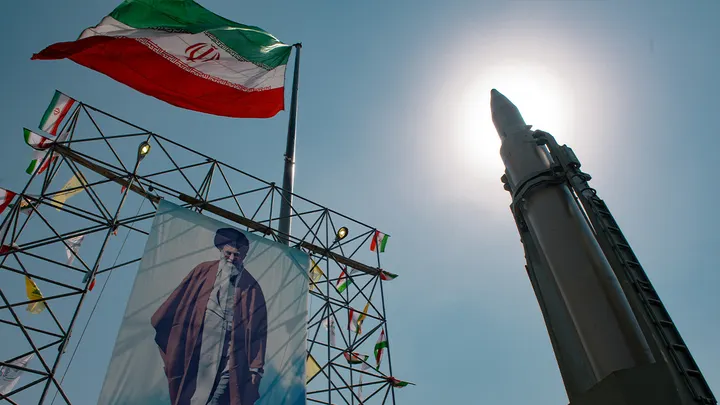
The Strait of Hormuz the critical oil and gas artery through which a significant portion of global energy supplies pass which remains almost completely blocked. Iran’s Revolutionary Guards posted on Telegram that “controlling the Strait of Hormuz and maintaining the shadow of its deterrent effects over America and the White House’s supporters in the region is the definitive strategy of Islamic Iran.”
The US, in turn, imposed a naval blockade on Iranian ports after the Islamabad Talks earlier this month ended without a deal. US Central Command confirmed that American forces had directed 38 ships to turn around or return to port. Trump also told Reuters the blockade would stay until a deal is struck.
Iran’s joint military command warned that “if the US continues its aggressive military actions, including naval blockades, banditry, and piracy” it will face “a strong response.”
Iran reaches out to Arab and European partners
Even as direct US-Iran engagement remained frozen, Araghchi was busy on the phones. He spoke with the foreign ministers of Egypt, France, Qatar, and Saudi Arabia on Sunday. He stressed “the importance of European countries playing a constructive role” toward a lasting ceasefire. France’s foreign minister, for his part, expressed hope that diplomacy would ultimately lead to peace.
Meanwhile, Iran’s Ambassador to Pakistan, Reza Amiri Moghadam, thanked Pakistani leadership for “their tireless efforts” to help end the war a diplomatic nod to Islamabad’s role as the war’s most active neutral broker.
The economic toll of this conflict continues to mount. Global shipments of oil, liquefied natural gas, fertilizer, and other commodities remain disrupted the near-closure of the Strait of Hormuz sending shockwaves through international markets. With both sides continuing to issue threats and face-to-face talks still off the table the road to peace remains long and deeply uncertain.


 Mayur Mohta
 Pratik Agrawal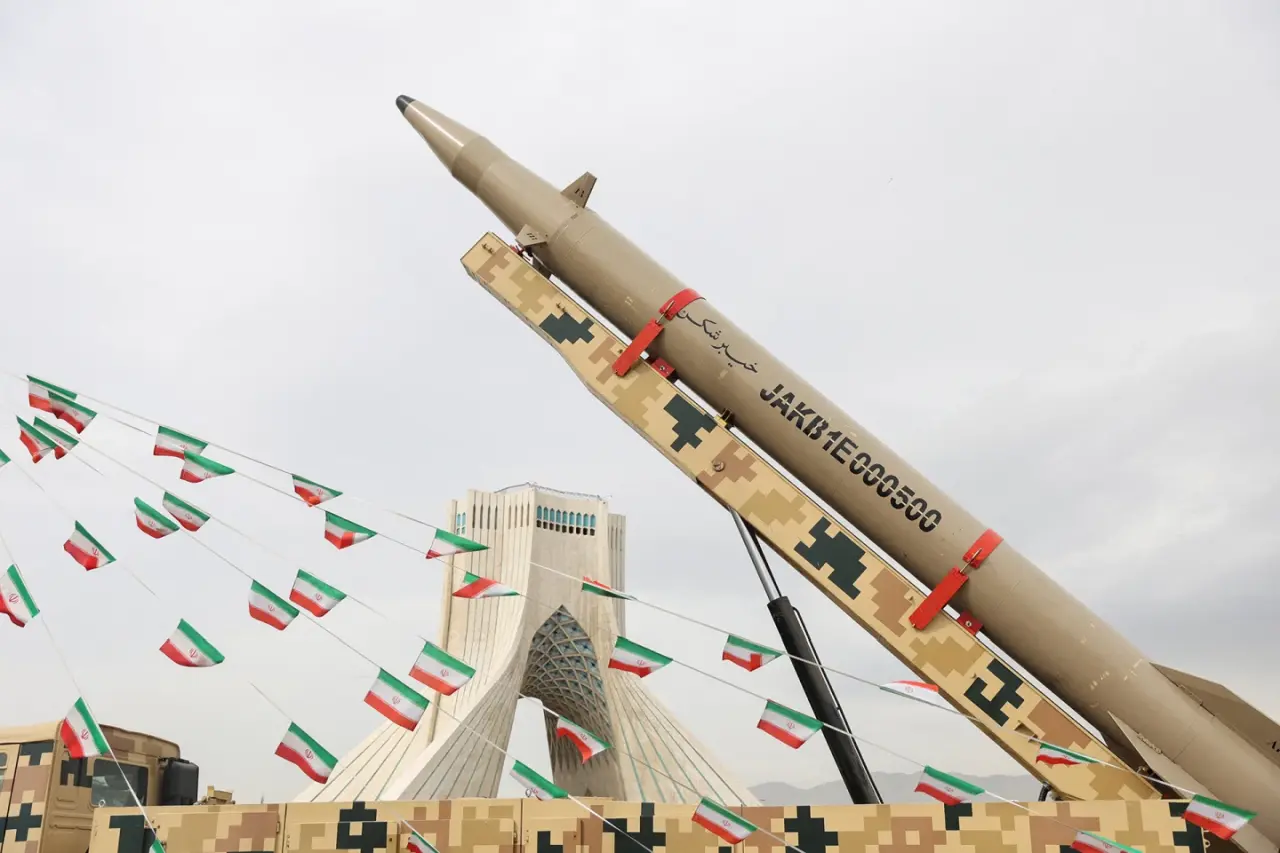
 Akshay Didwaniya
 Aditya Didwaniya