 The BRICS Times
Authorities impose temporary internet restrictions citing security threats as drone attacks rattle the capital days ahead of the major annual parade.

Mobile Data Goes Dark Across Two Major Russian Cities
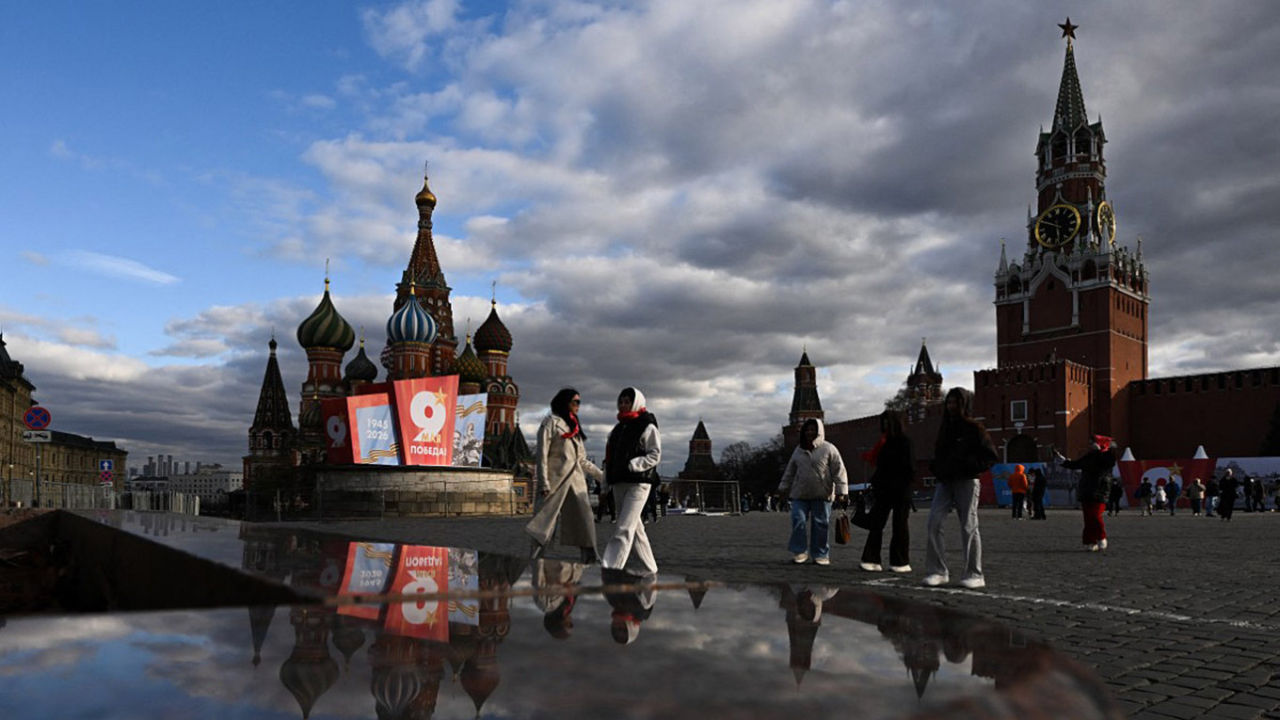
Residents across Moscow and St. Petersburg woke up Tuesday morning to find their mobile internet suddenly gone. Russian authorities confirmed that temporary restrictions had been put in place citing security concerns tied to the upcoming Victory Day celebrations on Saturday. The disruptions left thousands of people unable to use apps, browse websites, or access basic online services from their phones.
The blackout did not catch everyone off guard. Major mobile network operators had already warned their Moscow customers earlier this week telling them to expect significant disruptions to internet and messaging services over the coming days. Still, the scale and impact of Tuesday’s outages surprised many users.
Residents Speak Out “Nothing Works Since Morning”
A man in St. Petersburg speaking anonymously, told reporters he lost mobile data access around 9:30 a.m. local time. “Only ‘whitelist’ websites worked for me, even with a VPN,” he said, noting that mobile services in the city were eventually restored.In Moscow, three separate residents confirmed the same experience mobile internet was completely down, but Wi-Fi connections remained fully functional. A foreigner living in the capital summed it up bluntly: “Today, mobile internet really isn’t working since the morning. I see 3G, but nothing works. Home Wi-Fi works as usual. Metro Wi-Fi also works.”
Even the ‘Whitelist’ Wasn’t Safe
Russia maintains a so-called “whitelist” a government-approved list of services that should stay accessible during outages. It includes the Gosuslugi public services portal, Yandex, and social platforms VKontakte and Odnoklassniki. But on Tuesday, even that safety net showed cracks.A woman living in central Moscow reported that the outage appeared to have hit whitelist services too leaving people cut off from platforms that the government itself intended to keep running. Ride-hailing giant Yandex Go flagged difficulties for users trying to order taxis. Meanwhile, Sberbank warned customers they might struggle to log into accounts or receive SMS authentication codes a significant problem for daily banking.
Government Lifts First Restrictions But Warns More Could Come
By midday Tuesday, Russia’s Digital Ministry announced that the initial mobile internet restrictions in Moscow had been lifted and that network operators were restoring access. However, the ministry made clear this wasn’t necessarily the end of it warning that further restrictions could still be introduced.Officials also revealed they were still finalizing the list of protected “whitelist” websites in coordination with law enforcement. That admission suggested the technical rollout of these controls remains incomplete and evolving raising questions about how prepared authorities are for smooth implementation.
Victory Day Parade Takes a Quieter Form This Year
The internet clampdown arrives as Moscow prepares for a notably scaled-back Victory Day parade. For the first time in nearly two decades, the Red Square event will not feature a procession of military hardware. The Kremlin says the decision stems from a heightened threat of Ukrainian drone strikes on the capital.Those fears are not hypothetical. On Monday just one day before the internet outages Ukraine launched a drone assault on Moscow. One unmanned aircraft struck a high-rise apartment building near the Kremlin, rattling nerves across the city and reinforcing why authorities are on edge heading into one of Russia’s most high-profile national events.