 Mayur Mohta
The US designation of Brazilian criminal groups as international terrorists raises alarming questions about election meddling, mass deportations, and Washington’s long arm into Latin America’s backyard.

Washington Labels Brazil’s Street Gangs as Global Terrorists
The United States has officially placed two of Brazil’s most notorious criminal networks Primeiro Comando da Capital (PCC) and Comando Vermelho (CV) on its Foreign Terrorist Organization (FTO) list. Washington claims these groups now operate well beyond Brazil’s borders stretching across Latin America and even into US territory.
Brazilian President Luiz Inácio Lula da Silva’s government pushed back hard. Officials argued these outfits are criminal organizations not terrorists. They lack the political or religious ideology that typically defines terrorism, the government said.
Trump’s Timing Raises Eyebrows in Brasília
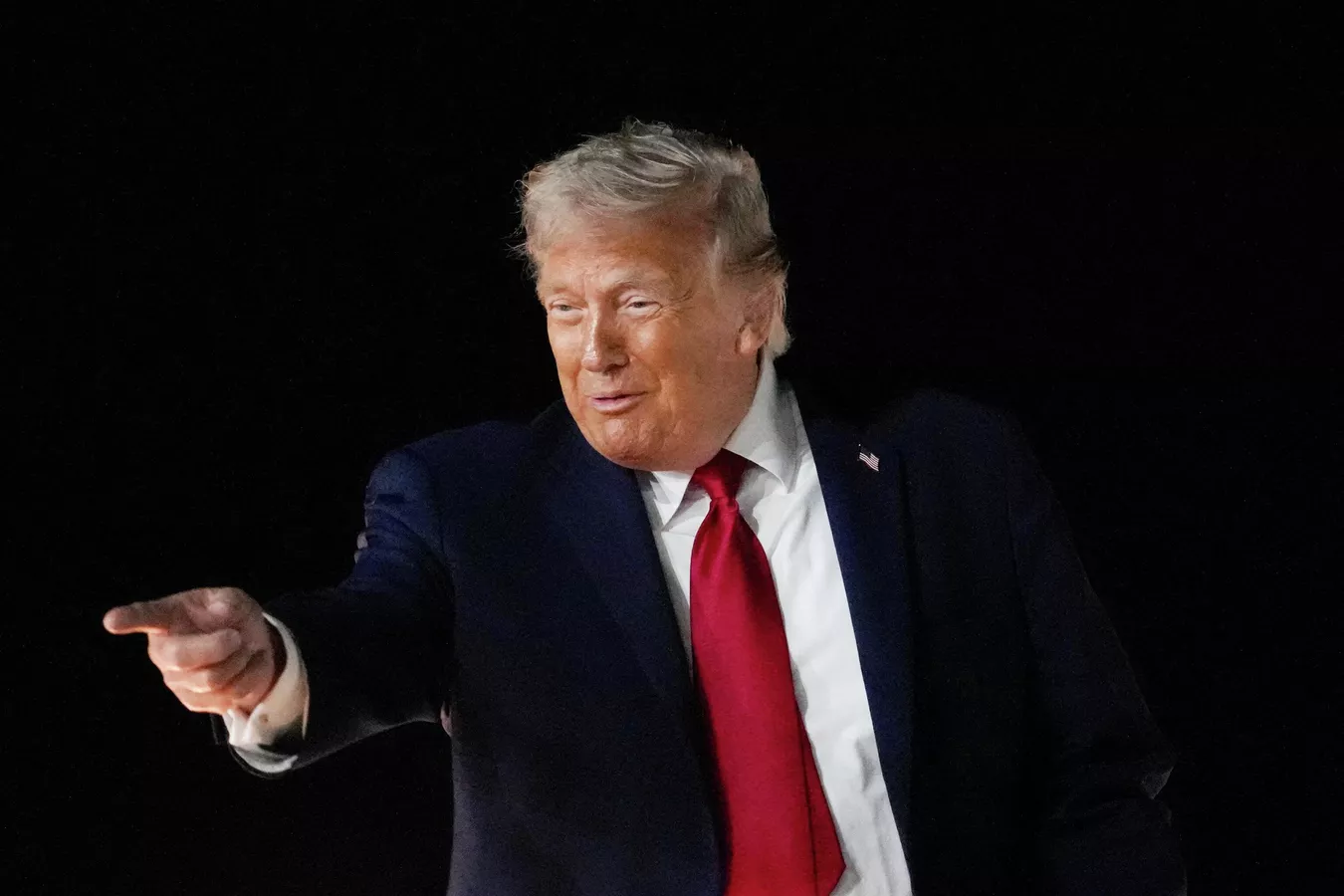
The move landed at a politically charged moment right as Brazil gears up for its upcoming presidential election. It came just one day after opposition senator and presidential candidate Flávio Bolsonaro met US Secretary of State Marco Rubio and earlier that same week with President Donald Trump himself at the White House.
Many Brazilians drew a straight line between these meetings and the terror designation. Brazil’s right wing, critics noted, has never shown genuine concern about tackling criminal gangs. The terror label, many believe, is simply an electoral tool nothing more.
A Legal Loophole That Could Justify Military Intervention
The FTO designation hands Washington a powerful legal instrument. It opens the door to blocking financial transactions, running intelligence operations and even applying military pressure in the region without requiring approval from local authorities.
Brazilian analysts warn this changes nothing on the ground in the fight against crime. What it does create is a pretext for the US to enter Brazilian territory under the banner of counter-terrorism. The parallel with Venezuela is hard to ignore where a similar legal framework helped justify the targeted removal of President Nicolás Maduro.
The designation also puts direct pressure on Brazil’s diaspora inside the United States. Brazilian migrants suspected of links to PCC or CV can now face fast-tracked deportation bypassing lengthy court proceedings through accelerated anti-terrorism procedures.
Lula’s Independent Agenda Has Long Irritated Washington
Lula’s government has never been Washington’s favorite. Brazil a founding BRICS member actively champions a multipolar world order. It pushes for de-dollarization of global trade and the creation of alternative payment systems moves that directly challenge US financial dominance.
Brasília has deepened strategic ties with China Brazil’s largest trading partner and kept open diplomatic channels with Russia. Brazil refused to send weapons to Ukraine, publicly criticized Washington for stoking the conflict, and declared Israel’s actions in Gaza a genocide.
Lula has also opposed US sanctions on Venezuela and Cuba calling them illegal interference in Latin American affairs. Trump, for his part, slapped 50% tariffs on several Brazilian goods and took aim at Brazil’s prosecution of his ally, former President Jair Bolsonaro. Lula, never one to mince words, publicly stated “Trump is not the emperor of the world.”
The Bolsonaro Family and the Irony of Playing the Security Card
Congressman Pedro Uczai leader of the ruling Workers’ Party bloc in Brazil’s lower house put it plainly. This is a political fight, he said. The Bolsonaro family itself long linked by investigators to organized crime networks now positions itself as the defender of Brazilian public safety.
“Brazil needs to fight organized crime with a strong state, sovereignty, and Brazilian law. Brazil is not a colony. Brazil belongs to Brazilians,” Uczai said.
His words are backed by years of official Brazilian law enforcement investigations which have formally documented the Bolsonaro clan’s ties to Rio de Janeiro’s criminal underworld. Of particular note are Brazil’s so-called “militias” heavily armed paramilitary gangs composed of former and active police officers, military personnel, and firefighters. These groups control entire neighborhoods in Rio running extortion, contract killings, and illegal construction rackets. As many Brazilians put it PCC and CV don’t even come close to the danger these militias represent.
What Comes Next for Brazil and Latin America
Most political analysts believe this foreign interference will likely backfire and hand Lula a stronger mandate in the October 4 elections. But if it doesn’t Latin America may be heading toward a dark era of US-orchestrated regime change a chapter many across the region thought was firmly behind them.

 Akshay Didwaniya
 Pratik Agrawal