 The BRICS Times
After American naval forces intercepted two tankers hauling Iranian crude oil in the Indian Ocean, Tehran fired back hard calling the operation nothing less than state-backed piracy dressed up in legal clothing. With 3.8 million barrels seized and oil piling up at home, Iran’s economic squeeze is tightening fast.

Washington and Tehran are no longer just trading words they are trading blows on the open sea. The confrontation between the two nations has moved well past any pretence of diplomacy. When American forces grabbed two oil tankers allegedly transporting Iranian crude in the Indian Ocean, Tehran did not pause for a measured response. Iran’s Foreign Ministry came out swinging, labelling the whole affair “the outright legalisation of piracy and armed robbery on the high seas.”
Tehran Calls It What It Is Piracy
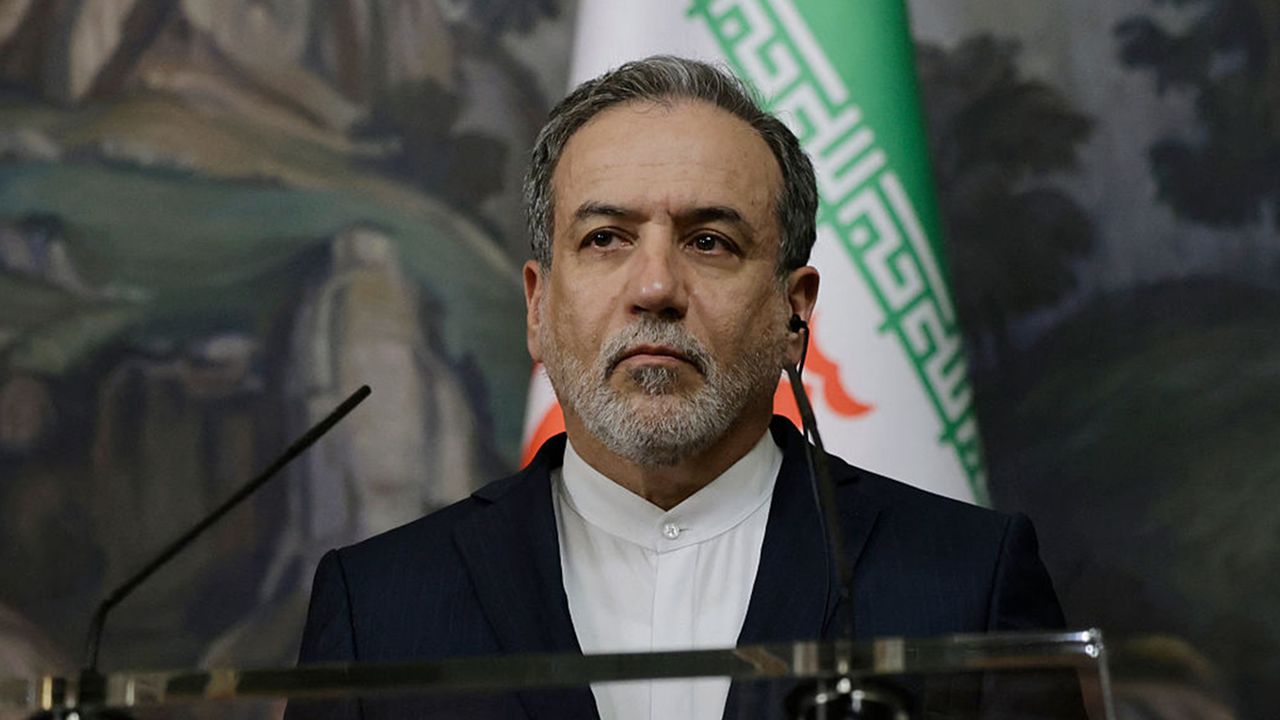
Iranian Foreign Ministry spokesperson Esmaeil Baghaei held nothing back. In a sharply worded post on X, he told the world it was watching “the return of the pirates.” He accused American authorities of dressing up what he described as outright theft by hiding it behind court-approved paperwork and government flags. The message from Tehran was blunt a warrant does not make plunder legal.
Iran’s military command added its own warning. A spokesperson for Khatam al-Anbiya, Iran’s joint military headquarters stated clearly: “We warn that the armed forces of the Islamic Republic of Iran will soon respond and retaliate against this armed piracy by the US military.”
What the US Actually Seized
Washington framed the whole operation very differently. US Attorney Jeanine Ferris Pirro went on X to announce that American forces had boarded and seized two vessels the Majestic X and the Tifani both operating under court-approved federal warrants. Each ship carried close to 1.9 million barrels of Iranian oil at the moment of seizure. Together, the two tankers held roughly 3.8 million barrels of sanctioned crude.
Pirro described the interceptions as part of a wider campaign to break up illicit oil networks. She said American agencies would continue to “relentlessly investigate, track, and pursue” these kinds of operations going after every sanctioned actor involved in moving Iranian oil through shadow shipping channels.
Operation Economic Fury – A Wider Offensive
The tanker seizures were just one part of a much bigger economic pressure campaign. US Treasury Secretary Scott Bessent rolled out a programme he personally named “Operation Economic Fury”, a sweeping effort to choke off any revenue pipeline feeding into Tehran. The programme targets Iran’s airline sector specifically warning international businesses against supplying Iranian carriers with jet fuel, catering, maintenance, or even basic landing support.
Bessent used his own X post to put foreign governments on notice. He urged them to ensure that businesses in their jurisdictions cut all ties with Iranian carriers or face sanctions themselves. The Treasury, he said, would keep pushing “maximum pressure” on Iran and go after any third party found doing business with Iranian entities.
Iran’s Oil Sector Is Running Out of Room
All this pressure is starting to leave visible marks. Iran’s oil sector already battered by years of sanctions and shrinking export options is running into a new, deeply uncomfortable problem. Storage tanks at Kharg Island, the country’s main oil export terminal, are filling up fast. Crude keeps accumulating with no viable route out. Analysts tracking the situation say Tehran now faces a genuinely painful dilemma stop production and risk permanent damage to its oil wells, or keep pumping and watch storage overflow with no buyers in sight.
Export channels remain effectively shut. The options are narrowing by the week.
Trump Holds the Line, Eyes a Deal on His Terms
Back in Washington, President Donald Trump showed no sign of softening his stance. “If they want to talk, they can come to us,” he said making clear that America was not moving first. He reiterated the non-negotiable American demand any agreement with Tehran must carry an ironclad guarantee that Iran will never develop nuclear weapons. “They know what has to be in the agreement. It’s very simple,” Trump added, leaving little room for ambiguity.
The standoff at sea, the mounting pressure on Iran’s economy, and the hardening of positions on both sides all of it points to a confrontation that is far from over. The Indian Ocean is no longer just a trade route. It has become a front line.