 The BRICS Times
India’s top hospital pushed back against the apex court’s landmark ruling arguing that terminating a 27-week pregnancy of a minor violates both medical ethics and the constitutional rights of an unborn, viable child.

AIIMS Takes the Fight to the Supreme Court
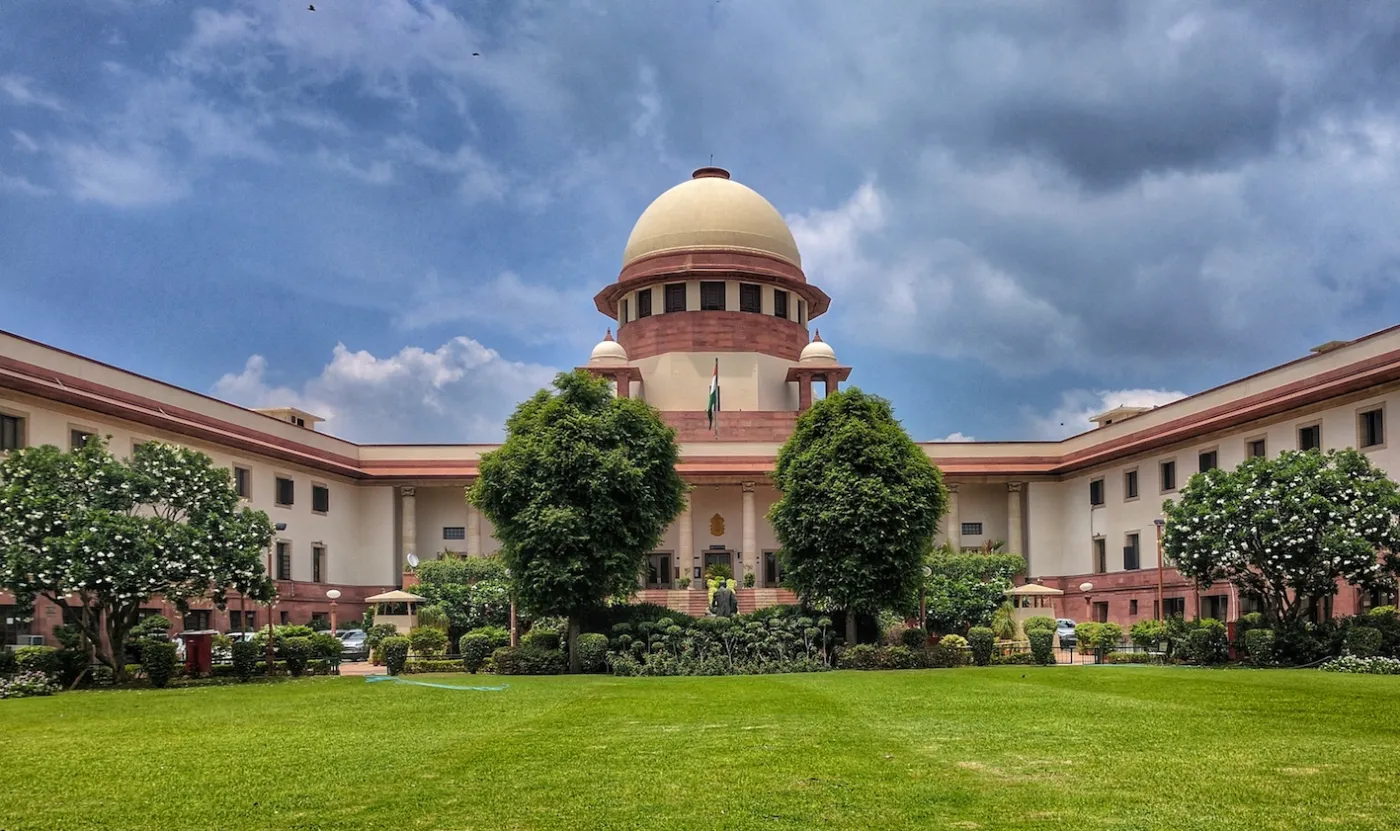
India’s premier medical institution AIIMS Delhi moved the Supreme Court, challenging its own April 24 order that gave the green light for a 15-year-old girl to terminate her over 27-week pregnancy. The hospital filed a review petition citing serious medical concerns and the constitutional rights of the unborn child. The Supreme Court, however, was quick to dismiss it calling AIIMS’ challenge “strange.”
What the Court Actually Said
A bench of Justices BV Nagarathna and Ujjal Bhuyan slammed the review petition in sharp words. “It is strange that the review petitioner, All India Institute of Medical Sciences, is not inclined to obey the order of the Supreme Court and instead, is assailing the order of this Court dated 24.04.2026 in order to defeat the constitutional rights of the minor daughter of the appellant herein,” the court said. The bench made it clear its April 24 order was binding and non-negotiable.
Why AIIMS Objected
AIIMS didn’t back down without a fight. The hospital’s medical board examined the minor on April 25 and strongly recommended a normal delivery instead of termination. The board warned that at this advanced stage, the procedure would essentially be a delivery with a viable foetus having a fair chance of survival outside the womb.
The hospital flagged that such a premature birth would very likely require prolonged NICU care, organ support, and could leave the child with lifelong disabilities. AIIMS argued that the Supreme Court’s order ignored the medical board’s recommendation and that under the law, the medical board holds the final say in such cases.
A Past Case That Haunts AIIMS
To drive home its point, AIIMS cited a chilling real-world example. In April 2025 just a year earlier a Delhi High Court had ordered termination of a 24-week pregnancy of a rape survivor who was a minor. The procedure resulted in a premature live birth. That one-year-old child has since been battling multiple severe medical conditions, conditions described as permanent and lifelong.
“Since his birth, the child has continued to be admitted to AIIMS, and due to medical complications, has not been accepted by any NGO for care,” the hospital noted. The prospects of this child being adopted are, in AIIMS’ own words, “severely diminished, if not negligible.”
The Law vs. The Court’s Order
Under the Medical Termination of Pregnancy (MTP) Act, termination beyond 24 weeks is permitted only when the foetus carries serious abnormalities. The Supreme Court’s April 24 order, by allowing termination at 27-plus weeks, went beyond those statutory limits raising legal and constitutional questions that AIIMS put at the heart of its challenge.
AIIMS further argued that the unborn child also has rights under Article 21 of the Constitution the right to life and liberty. The hospital maintained that when two competing fundamental rights clash, courts must aim for harmony guided by the larger public good and the interests of the most vulnerable party.
The Court Fires Back at the Centre Too
It wasn’t just AIIMS that faced the court’s sharpness. The Union government also filed an urgent review, citing “grave” medical concerns around the late-term termination. The bench rejected that plea too — and questioned the government’s rush. “We released the operative part of the order on the same day. The detailed order is yet to be released and you have filed the review without even waiting for the full order?” the bench remarked pointedly.
The court also issued a strong contempt warning making it crystal clear that failure to comply with its order could invite contempt proceedings.
What Experts Are Saying
Medical experts have weighed in with nuance. Dr Majumdar, a leading voice on this issue, stressed that late-term cases require planning beyond just the termination itself. “The court should also give an order as to what will happen to the baby who will take care of the child, whether it will be managed in a nursery, and who will adopt the child,” she said. “We cannot just disregard the baby because it has no voice.”
She also addressed the physical risks of pregnancy in a 15-year-old pointing out that the body is still developing at that age. “The organs are not fully developed. The uterus is still developing. In such cases, there are higher chances of preterm delivery, intrauterine growth restriction, and other complications,” she explained.
On the question of consent and maturity, she added “Whether it is rape or consensual does not matter here. A 15-year-old cannot fully understand the consequences. It is important for her mental and physical health that she should not continue the pregnancy.”
What Comes Next
With its review petition dismissed, AIIMS is now expected to file a curative petition a last-resort legal remedy that would be heard by a five-judge bench led by the Chief Justice of India. The minor, meanwhile, has been admitted to AIIMS since April 10 and the court has directed the procedure to be carried out with all necessary medical safeguards in place.
The case has ignited a deeply uncomfortable national debate one that places a young girl’s reproductive autonomy squarely against a viable unborn child’s right to life, with no easy answers on either side.