 The BRICS Times
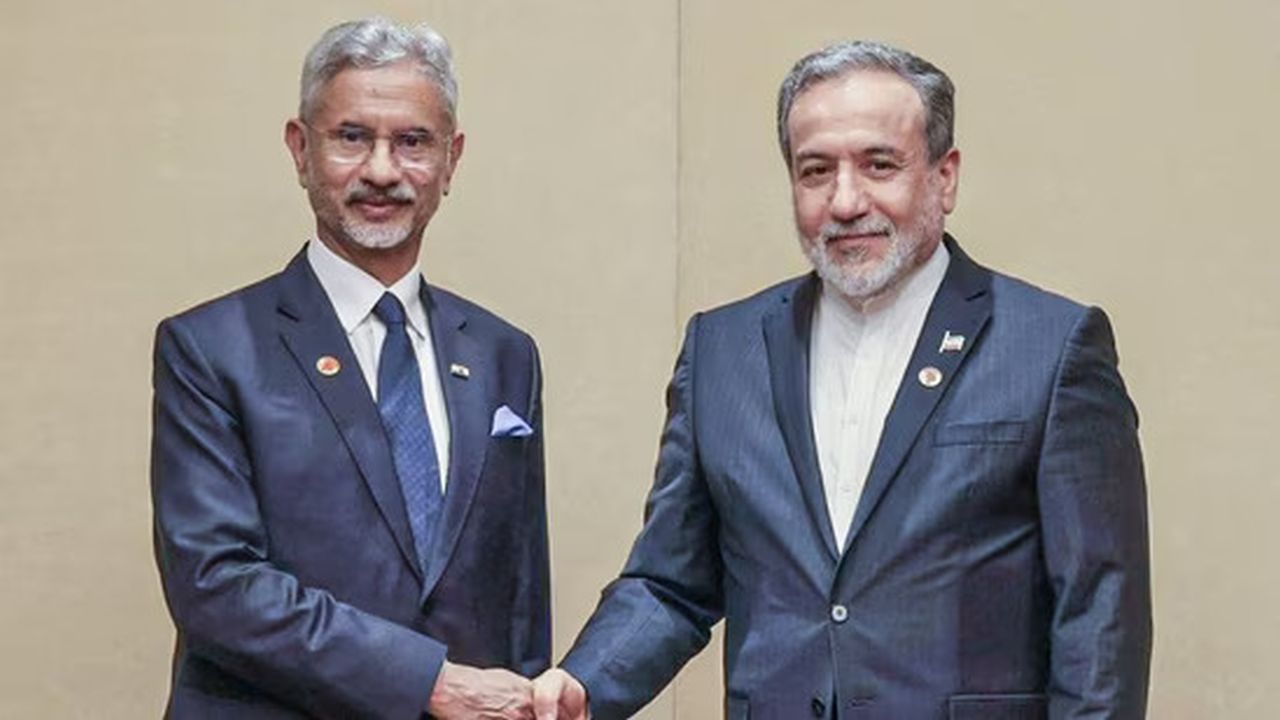
As the West Asia conflict deepens, Iran’s Foreign Minister Seyed Abbas Araghchi reached out to India’s External Affairs Minister S. Jaishankar discussing ceasefire hopes, Gulf tensions, and what India’s diplomatic role could mean for a region on the edge.

Iran and India Open a Direct Line Amid Gulf Crisis
India’s External Affairs Minister S. Jaishankar received a phone call from Iranian Foreign Minister Seyed Abbas Araghchi on Wednesday evening a conversation that lasted well into the details of the West Asia conflict. The two top diplomats covered a wide range of pressing issues. These included the fragile ceasefire situation, the state of India-Iran bilateral ties, and broader regional and international developments. Both ministers agreed to stay in close and regular contact going forward.
What Was Said And What It Signals
Jaishankar confirmed the call on X, posting “Received a phone call from Foreign Minister Seyed Abbas Araghchi of Iran this evening. Had a detailed conversation about various aspects of the current situation. We agreed to remain in close touch.”
The Iranian Embassy in New Delhi backed up that account. It said the two sides “discussed and exchanged views on the latest developments related to the ceasefire, bilateral relations, as well as regional and international issues.” Sources indicate the US blockade of Iranian ports also figured prominently in the talks. Iran’s restrictions on ship movement through the Strait of Hormuz added another urgent dimension to the discussion.
Background: How the Crisis Unfolded
The West Asia conflict traces its roots to February 28 when joint US-Israeli military strikes hit Iran, killing 86-year-old Supreme Leader Ayatollah Ali Khamenei. Tehran’s response was sharp and sweeping. Iran targeted Israeli and US-linked assets across multiple Gulf countries disrupting key waterways, rattling energy markets, and sending shockwaves through the global economy.
Peace talks between Tehran and Washington, held in Islamabad on April 11 and 12, failed to produce any breakthrough. Araghchi has since been on a diplomatic sprint visiting Oman and Pakistan, then heading to Moscow to continue his outreach.
Iran’s View : A Fight Between Justice and Aggression
On the ground, Iranian officials have been vocal about how they frame the conflict. Mohammad Hossein Ziyaeenia the Deputy Representative of Iran’s Supreme Leader in India described the situation bluntly during an interview. He framed the West Asia crisis as a battle between “oppression” and “self-defence,” challenging the global community to reflect on its priorities as the human toll keeps rising.
On the role nations can play, Ziyaeenia was direct “In this conflict, every country can play a role. Every country can play a role, positive or negative.”
IRGC Issues Sharp Military Warning to Washington
On the military front, the tone from Tehran has grown sharper. The naval wing of Iran’s Islamic Revolutionary Guard Corps warned Washington this week stating it is ready to deploy “surprise tactics” if the United States makes any fresh miscalculation. Mohammad Akbarzadeh, the IRGC Navy’s deputy for political affairs, said new capabilities would be rolled out in response to any fresh American military action against Iran.
India Walks a Careful Diplomatic Line
India’s position in this crisis is unique and valuable. New Delhi maintains working ties with Western powers, Gulf states, and Iran simultaneously. The Araghchi-Jaishankar call reflects India’s growing relevance as a stabilising voice in a region searching for off-ramps from conflict.
This call also follows a broader pattern of India’s engagement. Prime Minister Narendra Modi had spoken with Iranian President Masoud Pezeshkian on March 21 condemning strikes on critical infrastructure and stressing the importance of keeping shipping lanes open and secure. An earlier call on March 12 had also seen Modi flag concern over civilian casualties and rising regional tensions.
Meanwhile, Araghchi also engaged with Russia posting on X that he was “pleased to engage with Russia at the highest level as the region is in major flux,” adding that recent events had “evidenced the depth and strength” of Tehran and Moscow’s strategic partnership.