 The BRICS Times
Macron and Tusk strengthen strategic partnership through new defense and industrial deals during the Gdansk summit.

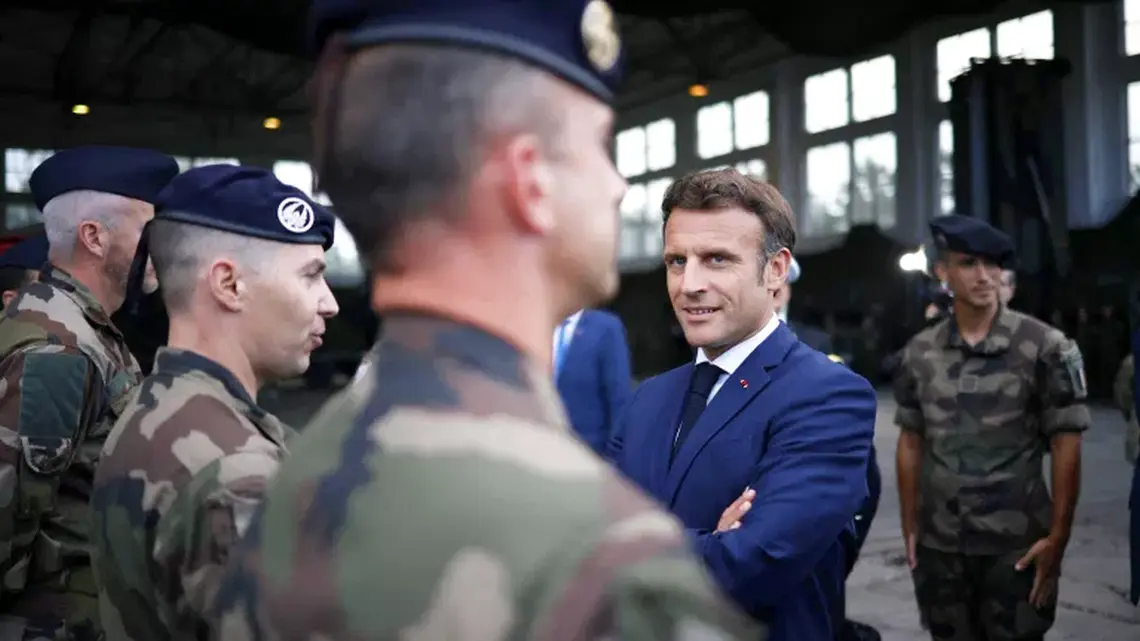
President Emmanuel Macron and Prime Minister Donald Tusk met in Gdansk on Monday. They planned to grow cooperation in nuclear deterrence and military satellites. This shows a growing bond during high security concerns in Europe. The French leader said upcoming work will lead to “concrete progress” on nuclear deterrence. This topic is now very important in European defense talks. Both nations are looking at intelligence sharing and joint military drills. They may even deploy French nuclear-capable aircraft on Polish soil. Warsaw might support France with air defense and long-range strike systems.
Donald Tusk felt very positive about the meeting. He stated that cooperation between the two nations “knows no bounds” in military matters. On social media, Tusk thanked France for “lasting friendship and mutual trust.” During the talks, Airbus, Thales, and Radmor signed a major deal. They will build a military communications satellite for Poland. This meeting follows a 2025 treaty that made Poland a top French ally. Before the talks, Macron visited a cemetery for French soldiers. This gesture honored the history shared by both nations.
Defense ambitions
Poland is quickly modernizing its military. Defense spending will likely hit 4.8 percent of GDP in 2026. This is one of the highest levels in NATO. Most of this money goes to US equipment like F-35 jets and Abrams tanks. Poland still stays very close to Washington for its security. However, internal politics remain tense. President Karol Nawrocki opposes the EU’s SAFE defense program. He fears it might hurt national independence. Both leaders also welcomed political shifts in Hungary. They hope this will help European unity. Macron also feels “reasonably optimistic” about a €90 billion loan for Ukraine.
Industry, culture and shared ties

Economic and industrial ties were also a main focus. The visit celebrated Franco-Polish Friendship Day. Macron promoted the firm EDF for Poland’s next nuclear plant. He said the group can manage the entire nuclear cycle. Tusk promised that France is a most important partner for future projects. This relationship now goes far beyond just defense. Both nations want to boost cultural links too. They plan a joint cultural season for 2027. This reflects their long history of art and friendship. The Bronislaw Geremek Prize was also awarded during the event. Actor Andrzej Seweryn received the first prize for his work in both nations.


 Pratik Agrawal
 Mayur Mohta
 Akshay Didwaniya
 Aditya Didwaniya