 The BRICS Times
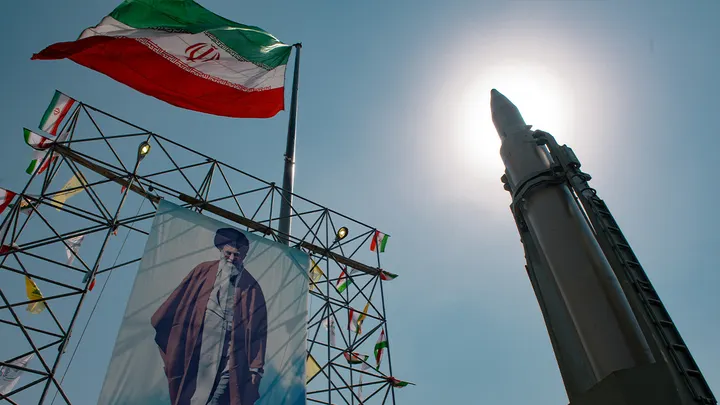
Iran’s Revolutionary Guard Corps navy grabbed two cargo ships in the Strait of Hormuz on Wednesday. The vessels were accused of breaching maritime rules and altering navigation systems. This comes as tensions in the critical waterway keep rising.

Two Ships Detained and Taken to Iranian Waters
Iran’s Islamic Revolutionary Guard Corps (IRGC) navy seized two cargo vessels in the Strait of Hormuz on Wednesday. The ships were escorted to the Iranian coast. Among the two vessels seized was a ship that had been heading to India.
The IRGC identified the two ships as the MSC Francesca and the Epaminodes. In a statement, the Guards said both ships were detained for “operating without the required authorization and for manipulating navigation systems,” warning that such actions endangered maritime safety. The MSC Francesca was described as having links to Israel. The Epaminodes was accused of tampering with navigation equipment and putting maritime safety at risk.
The IRGC further warned all vessels in the strait against violating regulations imposed by the Islamic Republic. The Guards also cautioned ships against any activities that go against the safe passage rules in the waterway.
Three More Container Ships Hit by Gunfire the Same Morning
The seizures were not an isolated incident. Earlier on Wednesday, at least three container ships came under gunfire in the Strait of Hormuz. Maritime security sources and the United Kingdom Maritime Trade Operations (UKMTO) confirmed the attacks.
A Liberia-flagged container ship took serious damage to its bridge. It was struck by gunfire and rocket-propelled grenades northeast of Oman. The UKMTO confirmed the vessel was approached and then fired upon by an IRGC gunboat. All crew members were reported safe. There was no fire or environmental damage from the attack. Maritime security sources noted that the IRGC gunboat had three personnel on board.
The master of the Greek-operated container ship said no radio contact was made before the attack. The vessel had reportedly been cleared to pass through the Strait of Hormuz before the firing began.
A second container ship was then fired upon about eight nautical miles west of Iran. The Panama-flagged vessel escaped damage and its crew remained safe.
A third container ship, also Liberia-flagged, was fired upon at roughly the same location while heading outbound through the strait. The vessel stopped in the water but was not damaged. Its crew stayed safe throughout the incident.
IRGC Warns It Will “Inflict Crushing Blows” if Provoked
Following the confirmed attacks, the IRGC issued a sharp statement through Iranian state media. The Guards declared they are “prepared to confront any new aggression.” The statement stressed the group’s readiness to “inflict crushing blows on the enemy’s remaining assets” if any fresh hostilities arise.
The IRGC also called for high vigilance on what it described as the “silent battlefield.” The guards warned of close monitoring of enemy movements during what it called the “so-called ceasefire,” without clarifying the term further.
India-Bound Ship Among Vessels Caught in the Crisis
The inclusion of an India-bound ship in Wednesday’s seizures adds to growing concerns for New Delhi. Earlier in the week, a convoy of 14 India-bound ships carrying crude oil and gas was stopped by the IRGC while attempting to transit the Strait of Hormuz. Two of those vessels were fired upon. One Indian-flagged ship, carrying crude oil for the Hindustan Petroleum Corporation Limited, successfully sailed through. The rest turned back.
India’s foreign ministry had already summoned Iran’s ambassador in New Delhi following an earlier shooting incident involving two Indian-flagged vessels in the strait. India urged Iran to allow Indian ships safe passage through the waterway as soon as possible.
Broader Context: Hormuz Under Lockdown Since February
The Strait of Hormuz has been largely blocked since late February 2026. The crisis began after the United States and Israel launched military operations targeting Iran and its leadership. In response, the IRGC shut down the strait and launched a string of attacks on merchant vessels.
Before the conflict, the strait carried roughly 25% of the world’s seaborne oil and 20% of the world’s liquefied natural gas. Over 20,000 mariners and 2,000 ships are now stranded in the Persian Gulf due to the closure. Brent crude oil prices surged past $100 per barrel in March 2026 for the first time in four years.
Iran’s National Security Council stated the country is “determined to exercise supervision and control over traffic through the Strait of Hormuz until the war is definitively ended and lasting peace is achieved in the region.” Iran’s chief negotiator also made it clear: “It is impossible for others to pass through the Strait of Hormuz while we cannot.”


 Mayur Mohta
 Pratik Agrawal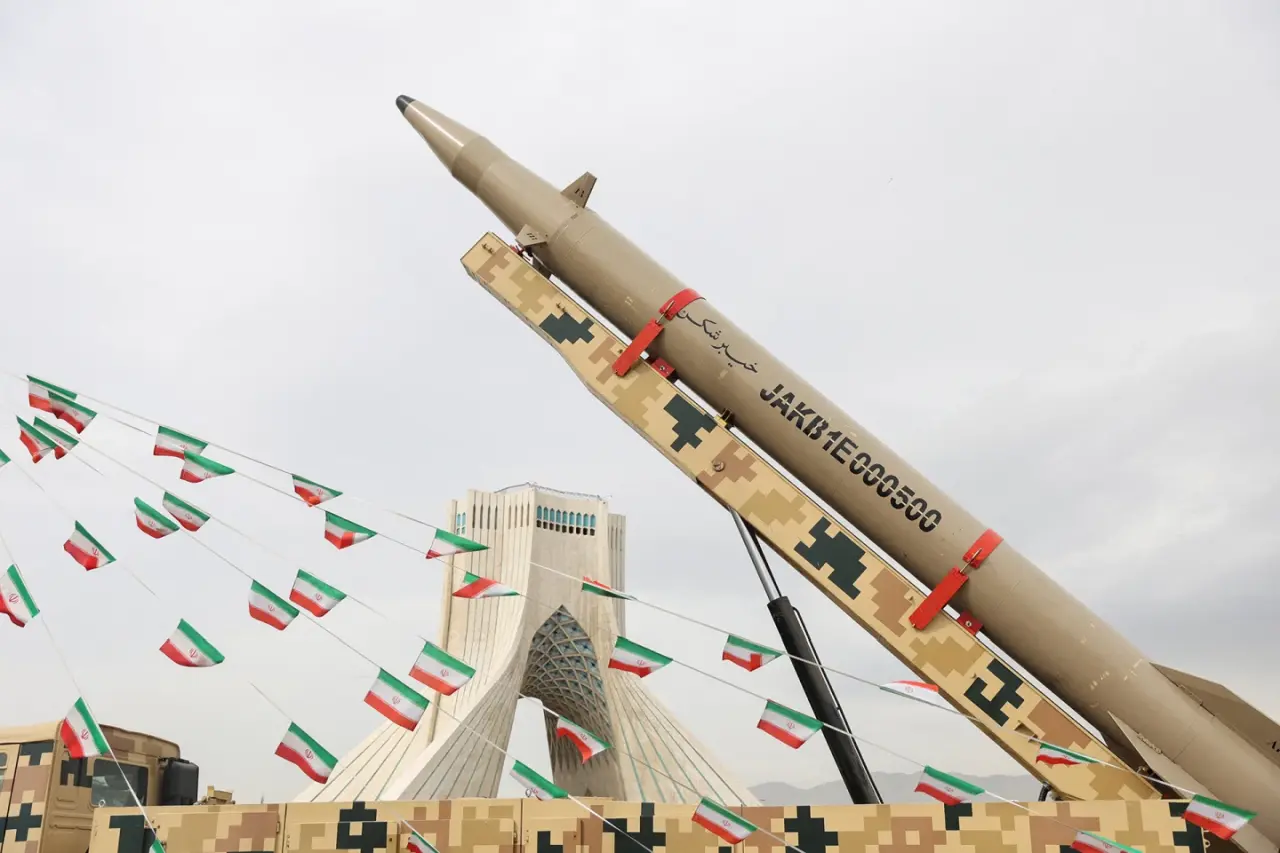
 Akshay Didwaniya
 Aditya Didwaniya