 Akshay Didwaniya
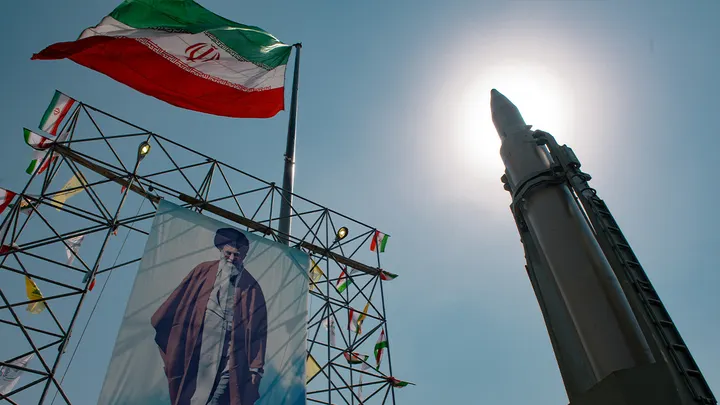
US Secretary of State Marco Rubio told Senate lawmakers that Iran’s Supreme Leader Mojtaba Khamenei unseen publicly since the war began is alive and growing more engaged in state affairs, even as nuclear talks inch forward with cautious optimism.

Who Is Running Iran Right Now?
The question of who truly leads Iran has hung over the Middle East for months. Since US airstrikes killed his father, Ali Khamenei the longtime Supreme Leader on the very first day of the war on February 28, 2026, his son Mojtaba Khamenei has vanished from public life. No appearances, no photographs, no official statements. Just silence.
That silence has fueled a storm of speculation is he alive, injured, or simply hiding? Now, Washington’s top diplomat has offered a partial answer.
Rubio’s Senate Testimony : A Rare Update
US Secretary of State Marco Rubio appeared before the Senate Foreign Relations Committee on Tuesday. He told lawmakers that Iran’s 56-year-old Supreme Leader Mojtaba Khamenei is, in fact, alive. Not only alive but becoming more active behind the scenes.
“I think there are indications out there that he is increasingly engaging at some level, although all of his communications have been in writing and through intermediaries,” Rubio said.
That one line told a significant story. Mojtaba Khamenei is not simply surviving he is reportedly steering decisions. But he is doing so from the shadows, relying entirely on written notes and back-channel go-betweens, not direct communication.
Nuclear Talks Take an Unexpected Turn
Rubio’s Senate appearance was not just about Mojtaba Khamenei’s status. He also shared a notable diplomatic development Tehran has now agreed to discuss aspects of its nuclear programme that were previously off the table.
Just weeks ago, Iran refused to even acknowledge certain dimensions of its nuclear file. That position has shifted. “That is not a guarantee it will ultimately lead to a deal that’s acceptable,” Rubio cautioned lawmakers. Still, the shift is being read as meaningful progress.
“There is the prospect before us, which could happen today, it could happen tomorrow, it could happen next week,” he added, striking a tone that blended hope with careful reservation.
Strait of Hormuz Remains a Red Line
President Donald Trump has made his conditions clear. Any deal with Iran must include two non-negotiables Tehran must agree to never build a nuclear weapon, and it must reopen the Strait of Hormuz. The Strait the narrow Persian Gulf chokepoint once carried roughly 20 percent of the world’s oil and liquefied natural gas. Since the war, Iran effectively shut it down, sending energy prices soaring globally.
Rubio confirmed that the Strait’s reopening was the first condition on the table. Sanctions relief, he stressed, would not come from that alone. It would only follow meaningful concessions on Iran’s stockpile of highly enriched uranium.
“That’s not been discussed. That’s not been offered,” Rubio said flatly, when asked whether lifting sanctions was being tied to the Strait’s reopening.
Iran Studying the US Proposal, With Suspicion
Back in Tehran, officials are not rushing. Iran’s semi-official Mehr news agency cited a source close to the country’s negotiating team saying Iran is still reviewing Washington’s latest proposal. There had been no communication between the two sides for several days.
The source made clear that Iran was approaching the talks with a “stern” mindset pointing to what it views as US violations of the April 8 ceasefire, and a general atmosphere of deep mistrust.
On social media on Monday, Trump painted a rosier picture. He said talks were moving at a “rapid pace” and that “it will all work out well in the end.” Tehran’s tone, for now, remains far more guarded.
Lebanon Hangs Over Everything
The US-Israel war on Iran launched on February 28 has already killed thousands of people, primarily in Iran and Lebanon. It has rattled global energy markets and triggered the latest brutal round of conflict between Israel and Hezbollah in Lebanon.
On Tuesday, Israel continued its deadly airstrikes across southern Lebanese towns even after a US-brokered partial ceasefire was announced the day before. For Iran, this is a breaking point.
Iran’s parliament speaker and chief nuclear negotiator, Mohammad Bagher Ghalibaf, delivered a sharp warning. He said he told Lebanon’s Parliament Speaker Nabih Berri directly if Israel’s “aggression against Lebanon continues,” Tehran “will not only halt the path of negotiations” with Washington, “but we will also be in direct confrontation with the enemy.”
The warning signals how fragile the diplomatic track truly is. The path to a deal may run through Beirut as much as it does through Tehran.


 Mayur Mohta
 Pratik Agrawal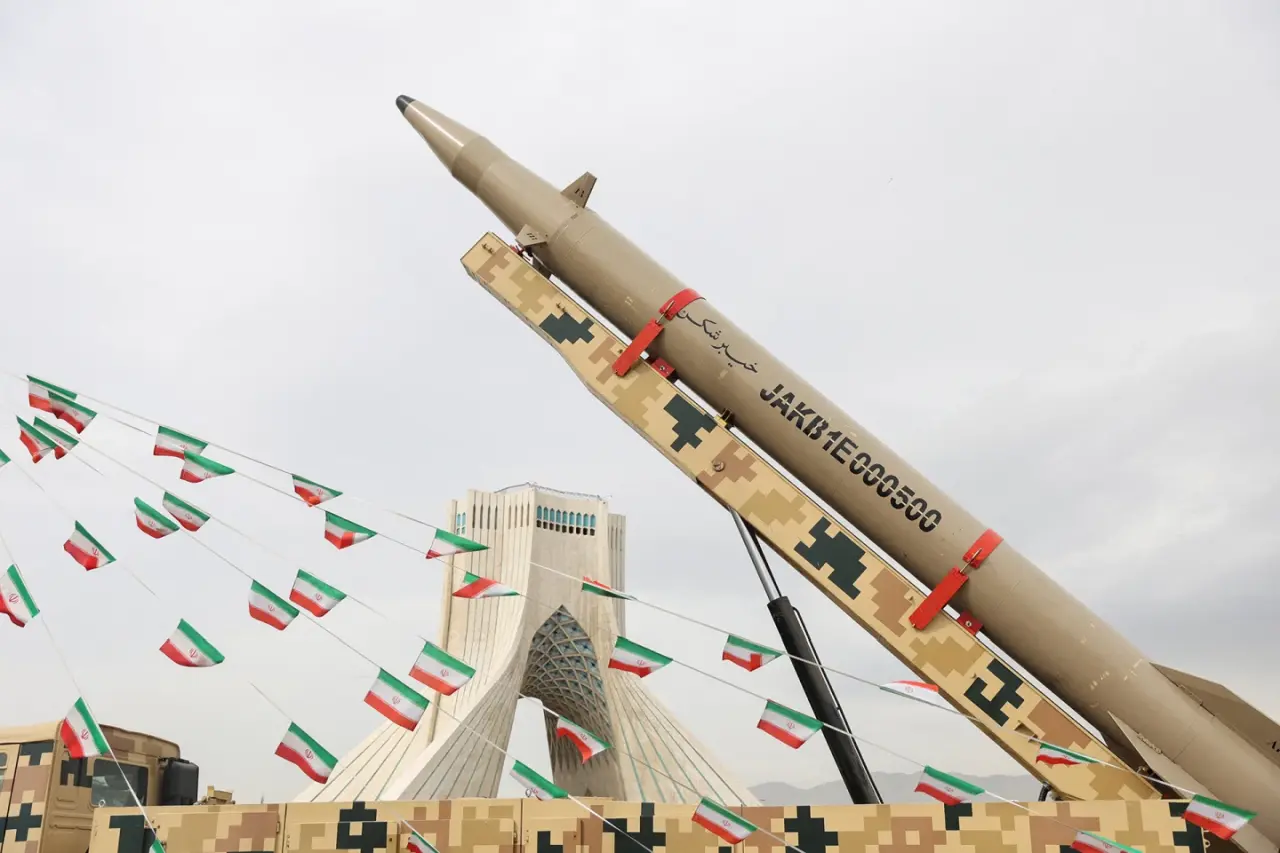
 Aditya Didwaniya