

 The BRICS Times
Even as his own officials told Congress that the conflict with Iran has ended, Donald Trump fired up a Florida crowd insisting the war goes on because dangerous regimes cannot be trusted with nuclear arms.

Trump Tells Florida Crowd: The War Is Far From Over
Donald Trump stood before a cheering crowd in Florida and made one thing crystal clear the United States is still very much at war with Iran. His reason? Simple and blunt. “You know, we’re in a war because I think you would agree we cannot let lunatics have a nuclear weapon. Do you agree?” The crowd erupted in chants of “USA” and Trump soaked it all in.
This came just a day after his administration sent word to Congress that the Iran conflict had essentially been wrapped up. The contradiction was hard to miss and Trump didn’t seem to care one bit. He doubled down on his tough stance, leaving no room for confusion about where he stands on Iran’s nuclear ambitions.
The 60-Day Deadline And Why It Barely Registered
Under US law, the president must get Congressional approval to keep a war going beyond 60 days. That clock was ticking. Yet Trump brushed past the deadline leaning on the argument that a shaky ceasefire declared in early April had technically paused the conflict.
His Defense Secretary Pete Hegseth backed this line of thinking during a Congressional hearing. “We are in a ceasefire right now, which our understanding means the 60-day clock pauses or stops,” Hegseth said. Not everyone bought it. Democrat Senator Richard Blumenthal fired back, saying there is no pause button written into the Constitution or the War Powers Act.
Still, most Republican lawmakers chose to stay quiet unwilling to confront Trump on the war during politically uncertain times.
B2 Bombers, No Navy, No Air Force Trump Lists Iran’s Losses
Trump didn’t hold back when listing what the US military had achieved. He told the Florida crowd that American B2 bombers had stopped Iran from crossing the nuclear threshold. “We stopped them with the B2 bombers. If we didn’t do that, they would’ve had a nuclear weapon. Israel, the Middle East, and Europe would have been blown to pieces,” he said.
He then went on to describe Iran as a military shell of its former self. “They have no navy. They have no air force. They have no anti-aircraft equipment. They have no radar. Their leaders are all gone,” he declared. The message was clear Trump sees this as a job done, yet still unfinished.
Pakistan’s Peace Effort Falls Flat With Trump
Pakistan stepped up as a mediator bringing Iran’s latest proposal to the table on Friday night. Trump’s answer was a firm no. He said he had rejected the offer and was not willing to exit the war prematurely. “We’re not going to leave early and have this kind of problem arise in three more years,” he said.
He also painted Iran’s leadership as fractured and unreliable. “It’s a very disjointed leadership. They all want to make a deal, but they’re all messed up,” he told reporters before flying out to Florida. He said Tehran was demanding concessions he simply could not agree to adding that its leadership appeared split into “two or three groups.”
Trump did give Pakistan some credit for its efforts. He said talks were continuing by phone and that Islamabad had “made strides.” But he was cautious: “I’m not sure if they ever get there,” he admitted. “They’re asking for things that I can’t agree to.”
Blast Them or Deal With Them; Trump Weighs His Options
In a moment of rare candour, Trump laid out the two paths ahead. “Do we want to go and just blast the hell out of them and finish them forever? Or do we want to try and make a deal?” he asked. When pushed on whether he favoured military escalation, he pulled back slightly. “On a human basis, I prefer not,” he said.
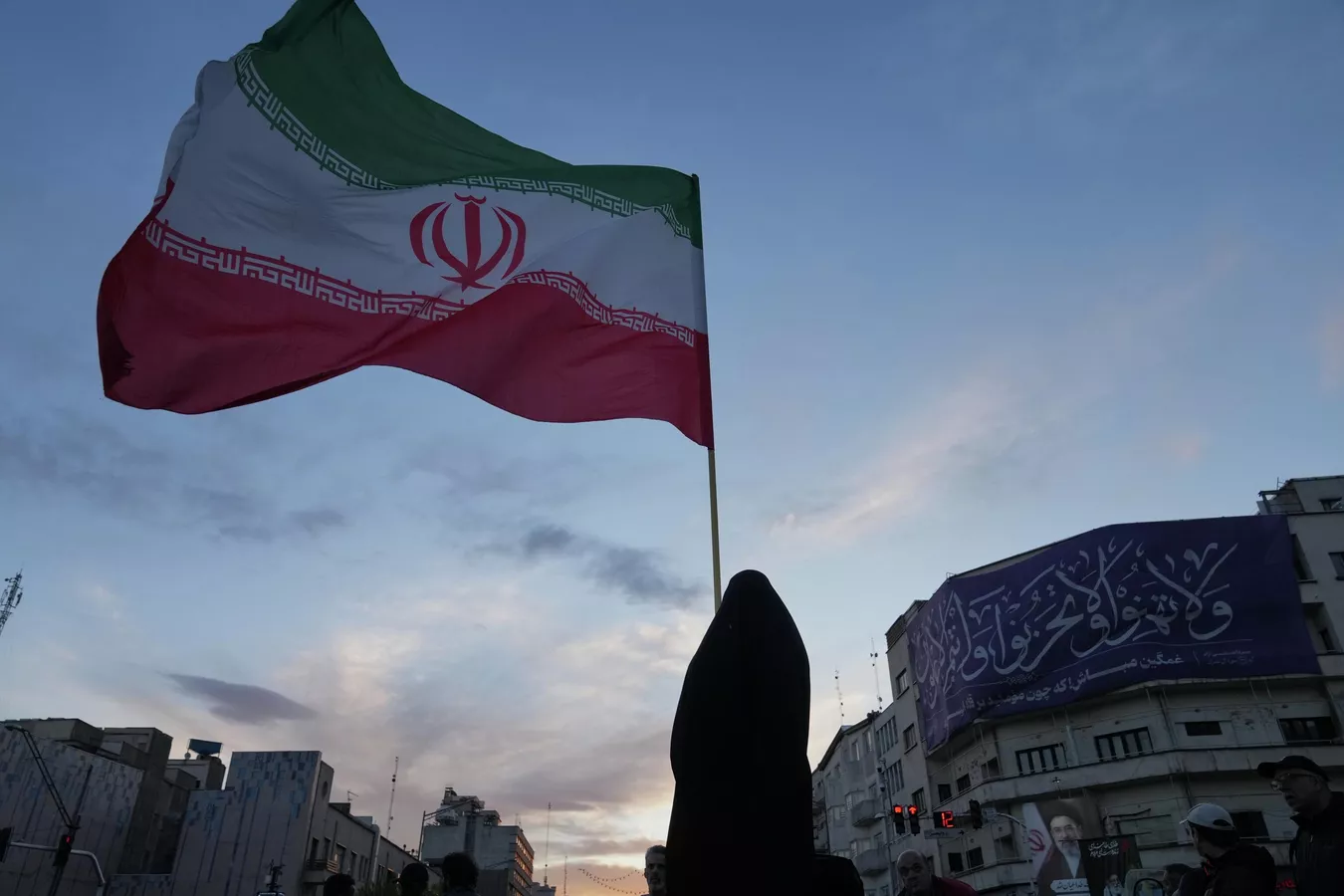
Iran’s Foreign Minister Abbas Araqchi responded by saying Tehran remained open to diplomacy. But he attached a condition Washington would need to drop what he described as its “excessive approach, threatening rhetoric and provocative actions.” Iran’s armed forces, he added, stood fully ready to defend the nation against any threat.
$4.8 Billion Lost The Cost of the US Blockade on Iran
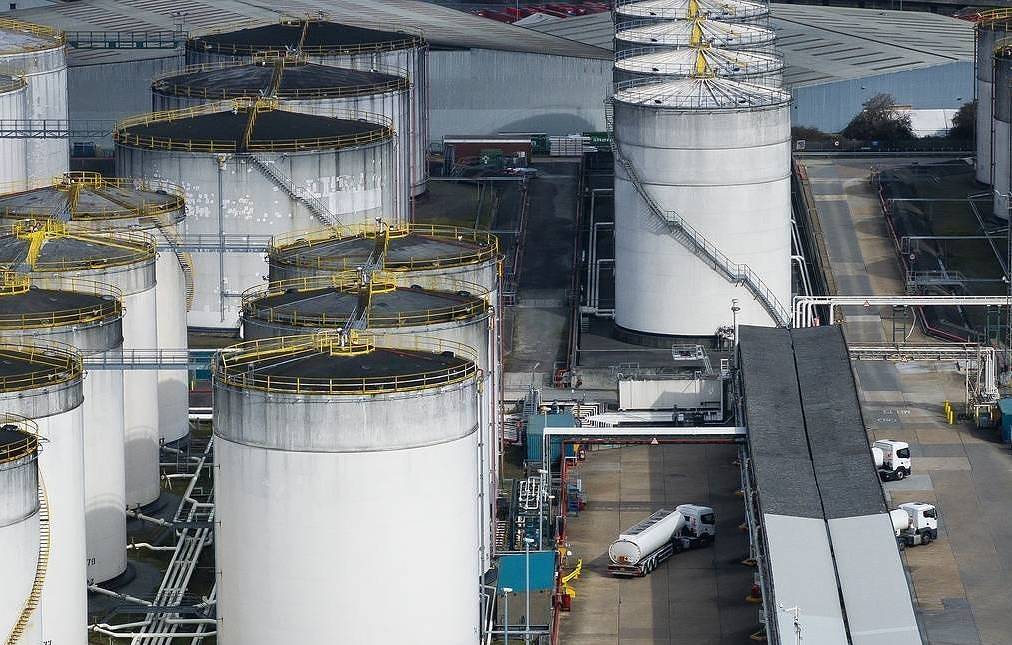
While the war of words continued, the financial squeeze on Tehran was very real. Pentagon estimates cited in an Axios report showed that the US naval blockade in the Gulf of Oman had cost Iran close to $4.8 billion in oil revenue. Disruptions to sanctioned maritime trade near the Strait of Hormuz had cut deep into Iran’s energy exports.
Pentagon spokesman Joel Valdez made no effort to hide the satisfaction. “The United States’ blockade in the Strait of Hormuz is operating with full force and delivering the decisive impact we intended,” he wrote on X. He added that the blockade would continue to inflict a “devastating blow” to Iran’s ability to fund terrorism and regional destabilisation.
US Treasury Secretary Scott Bessent went further calling Iran’s leadership “rats in a sewer pipe.” He wrote on X that the United States had complete control of the Strait of Hormuz and that the blockade would not lift until there was what he termed “pre-February 27 Freedom of Navigation.”
Tehran Fires Back Iran’s Embassy Lets Rip
Iran was not going to let the messaging go unanswered. The Iranian Embassy in South Africa hit back with a strikingly sharp statement. “Everyone knows that you and your pedophile boss lost the war, and those pathetic noises you make come from pain, not victory. You lost both on the battlefield and in cyberspace. Idiot,” the embassy wrote.
The exchange captured just how far from any diplomatic breakthrough both sides remain even as Pakistan continues its quiet shuttle diplomacy. With Iran’s nuclear ambitions still unresolved and Trump showing no appetite for a quick exit, the conflict appears set to grind on regardless of what any official letter to Congress may say.


 Akshay Didwaniya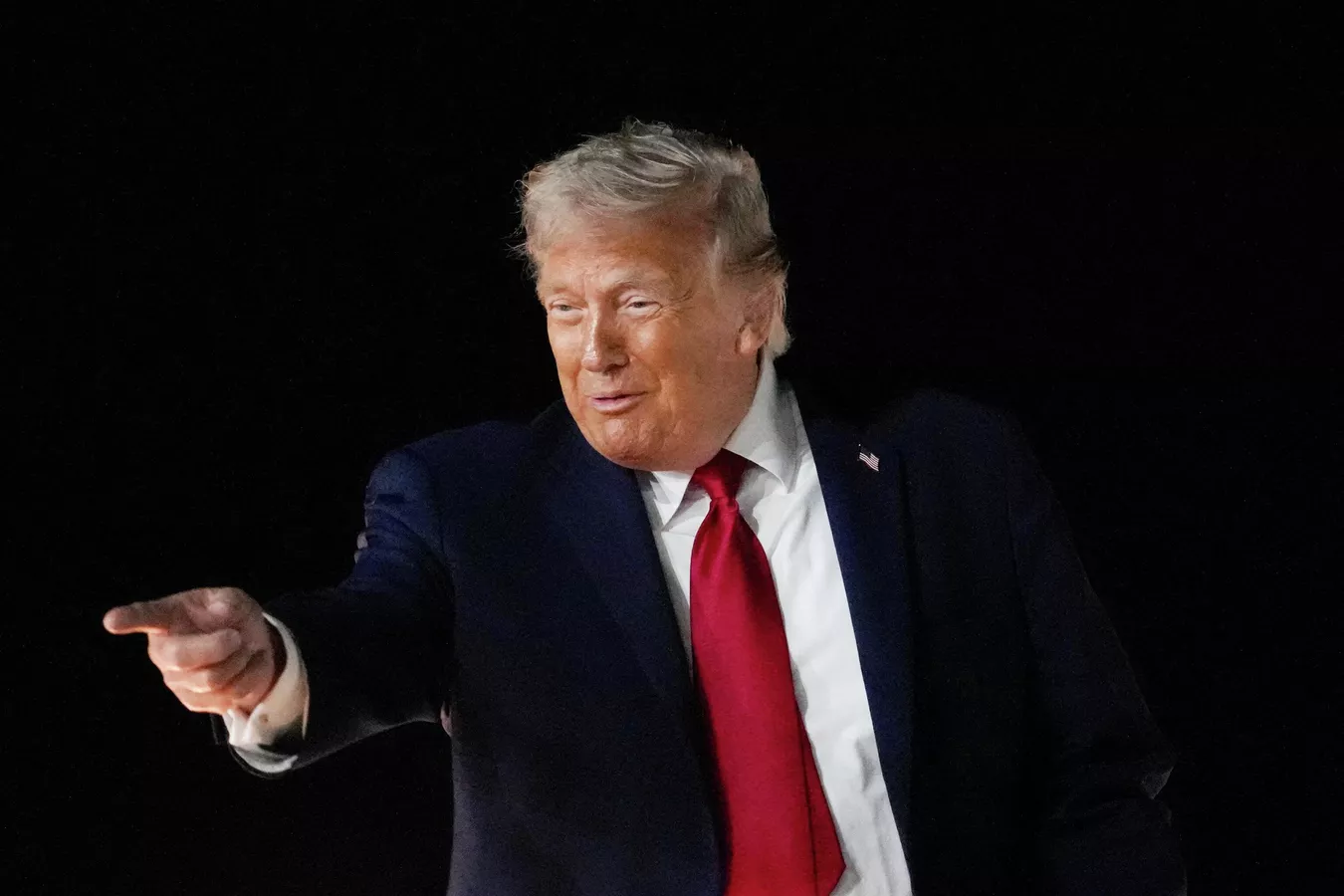
 Pratik Agrawal
 Mayur Mohta