

 The BRICS Times
Two months after the Strait of Hormuz went nearly dark for commercial tanker traffic, Gulf oil nations are desperately stress-testing backup pipelines and overland routes but the numbers simply don’t add up. The existing bypass infrastructure moves a fraction of what the strait once handled daily, leaving global energy markets in a prolonged and painful squeeze.

A Chokepoint Like No Other
The Strait of Hormuz has always been the single most important oil corridor on the planet and right now, it is almost completely shut. Vessel traffic through the narrow passage between Iran and Oman has fallen to a fraction of pre-war levels. The stop-start cycle of ceasefires, blockades and re-closures since late February has not restored any confidence among tanker operators. Under normal conditions, the strait carries around 20 million barrels of crude and refined oil products every day. It also handles roughly one-fifth of the world’s liquefied natural gas or LNG exports. Beyond oil and gas, about a third of global helium supplies and similar volumes of urea used in fertilisers move through this narrow corridor. For decades, engineers and policymakers have sketched out plans to build alternatives. Those workarounds are now being put to the hardest test they have ever faced.
Saudi Arabia’s Petroline The World’s Most Important Pipeline Right Now
The single most critical piece of bypass infrastructure today is Saudi Arabia’s East-West Pipeline widely known as Petroline. It was originally built in the 1980s, during the first Tanker War, when both Iran and Iraq were attacking merchant ships in the Gulf. Stretching 1,200 kilometres across the Arabian Peninsula, Petroline links eastern Saudi oil fields to the Red Sea port of Yanbu. Its capacity was upgraded to a 7 million barrel per day emergency ceiling back in 2019. However, the loading terminals at Yanbu were never designed to handle oil at that pace and scale. Analysts tracking tanker traffic say the actual flows through the pipeline remain well below that theoretical ceiling. And from Yanbu, any oil heading to Europe still has to pass through Egypt via the Sumed pipeline which can only move 2.5 million barrels per day. That creates yet another bottleneck along the bypass route.
The UAE’s ADCOP The Only Route Straight to the Indian Ocean
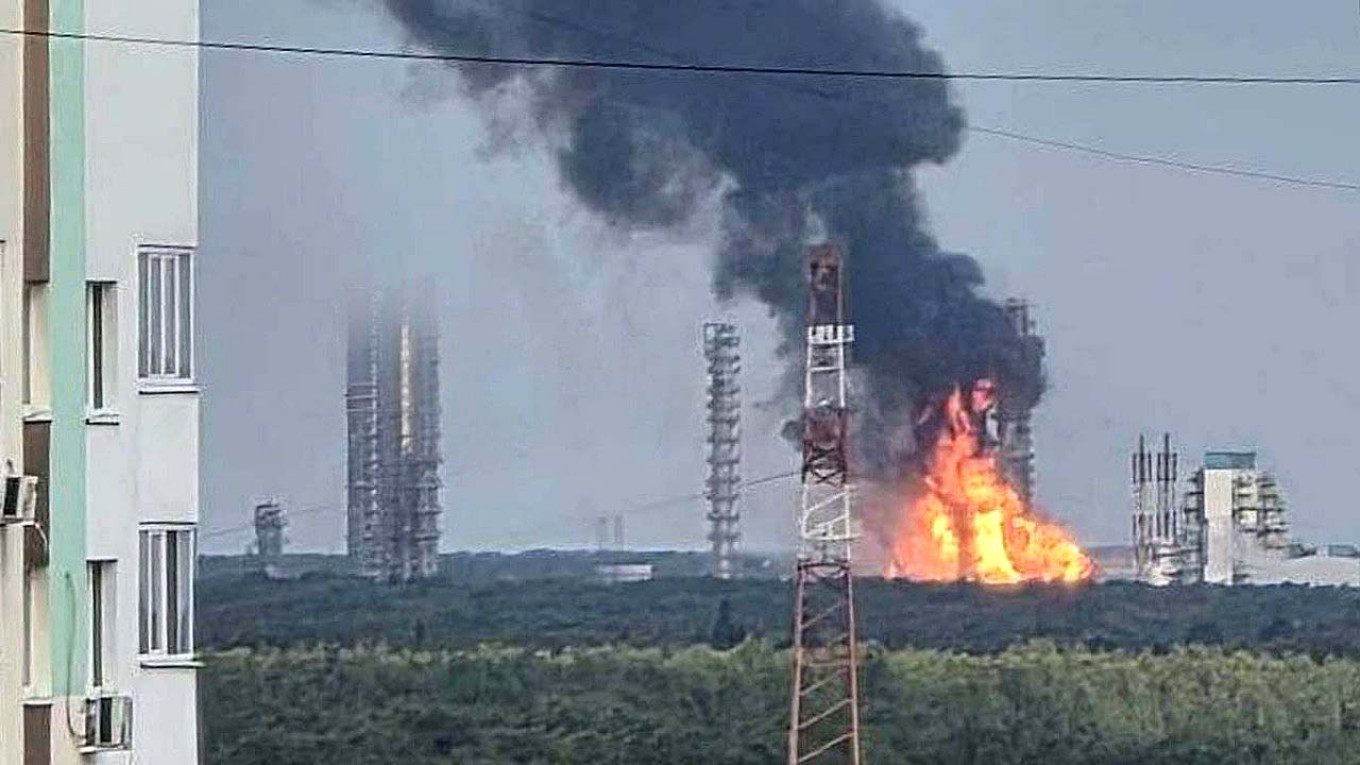
The United Arab Emirates has its own bypass option the Abu Dhabi Crude Oil Pipeline, known as ADCOP. It runs from Habshan inland to the port of Fujairah on the Gulf of Oman side of the country. With a capacity of just under 2 million barrels per day, ADCOP holds the distinction of being the only major bypass pipeline that exits the Gulf directly into the Indian Ocean. But it has not escaped the war’s reach. Iranian drone strikes hit Fujairah on March 3rd, 14th and 16th setting storage tanks ablaze and halting oil loadings. ADCOP offers the UAE a degree of diversification, but the targeting problem it has suffered shows it is far from a safe alternative.
Iraq, Kuwait and Qatar With Nowhere Else to Go
The situation grows considerably worse when you look at Iraq. Before the war, Iraq was exporting around 3.4 million barrels of crude per day almost all of it flowing through the southern port city of Basra and straight out through the Strait of Hormuz. There is one northern pipeline connecting the oil fields at Kirkuk to the Turkish port of Ceyhan but it had been shut for two and a half years before reopening in September 2025. Even after ramping up, it reached only 250,000 barrels per day in March a tiny fraction of what Iraq needs to export. Kuwait is in an even grimmer position it has no pipeline alternative at all. Kuwait Petroleum Corporation declared force majeure in March, giving it legal cover to suspend delivery obligations. That declaration was extended again on April 20th, with the company stating it could not meet its contracts even if the Strait of Hormuz were to reopen tomorrow. Rebuilding Kuwait’s battered production base will take months. Qatar’s exposure is different in shape but no less serious. Its pre-war crude exports were relatively modest at around 0.6 million barrels per day. For Qatar, the existential issue is gas. Qatar’s LNG facility at Ras Laffan with a capacity of 77 million tonnes is the largest in the world, supplying around 19% of global LNG trade. There is simply no alternative route for shipping that gas. Every molecule has to go through the Strait of Hormuz.
Iran’s Own Bypass Mostly On Paper
Even Iran the country at the centre of this crisis has its own Hormuz bypass. A 1,000-kilometre pipeline runs from Goreh at the top of the Gulf to a terminal at Jask on the Gulf of Oman coast. In theory, it gives Iran a way to export crude without using the strait. In practice, it remains largely non-functional. A test cargo left Jask in late 2024, but no further exports followed. The International Energy Agency has described both the pipeline and the terminal as effectively non-operational. The facility is not considered a viable crude export option under the current circumstances.
The Numbers Simply Don’t Add Up
Taken all together, the bypass infrastructure across the Gulf region is doing roughly what its planners always hoped but only in part. The combined capacity of existing workarounds sits somewhere between 3.5 million and 5.5 million barrels per day. That sounds substantial until you compare it with the 20 million barrels that the Strait of Hormuz was carrying daily before the war. The gap is enormous. Grander ideas including a canal linking the Gulf directly to the Arabian Sea remain theoretical. The engineering challenges are immense, the mountainous terrain presents near-impossible obstacles, and the costs would run into hundreds of billions of dollars. As senior Atlantic Council adviser Maisoon Kafafy put it: “I’m sensing a shift from hypotheticals into operational reality. Everyone is looking at the same map, and they are drawing the same conclusions.” The problem is that drawing conclusions and finding real solutions are two very different things and the world’s oil markets are already feeling the painful difference.


 Mayur Mohta
 Akshay Didwaniya

 Aditya Didwaniya