Akshay Didwaniya
Gulf nations urged Washington to hold off on military action believing a diplomatic deal was just days away. But Iran’s latest response left the White House unimpressed.

Gulf States Pleaded for a Brief Window to Seal a Deal
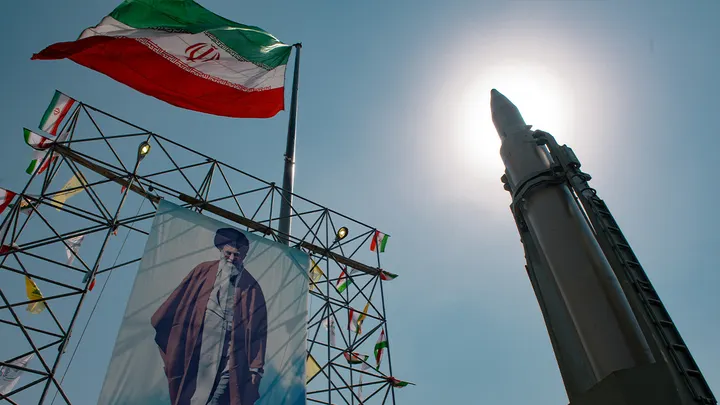
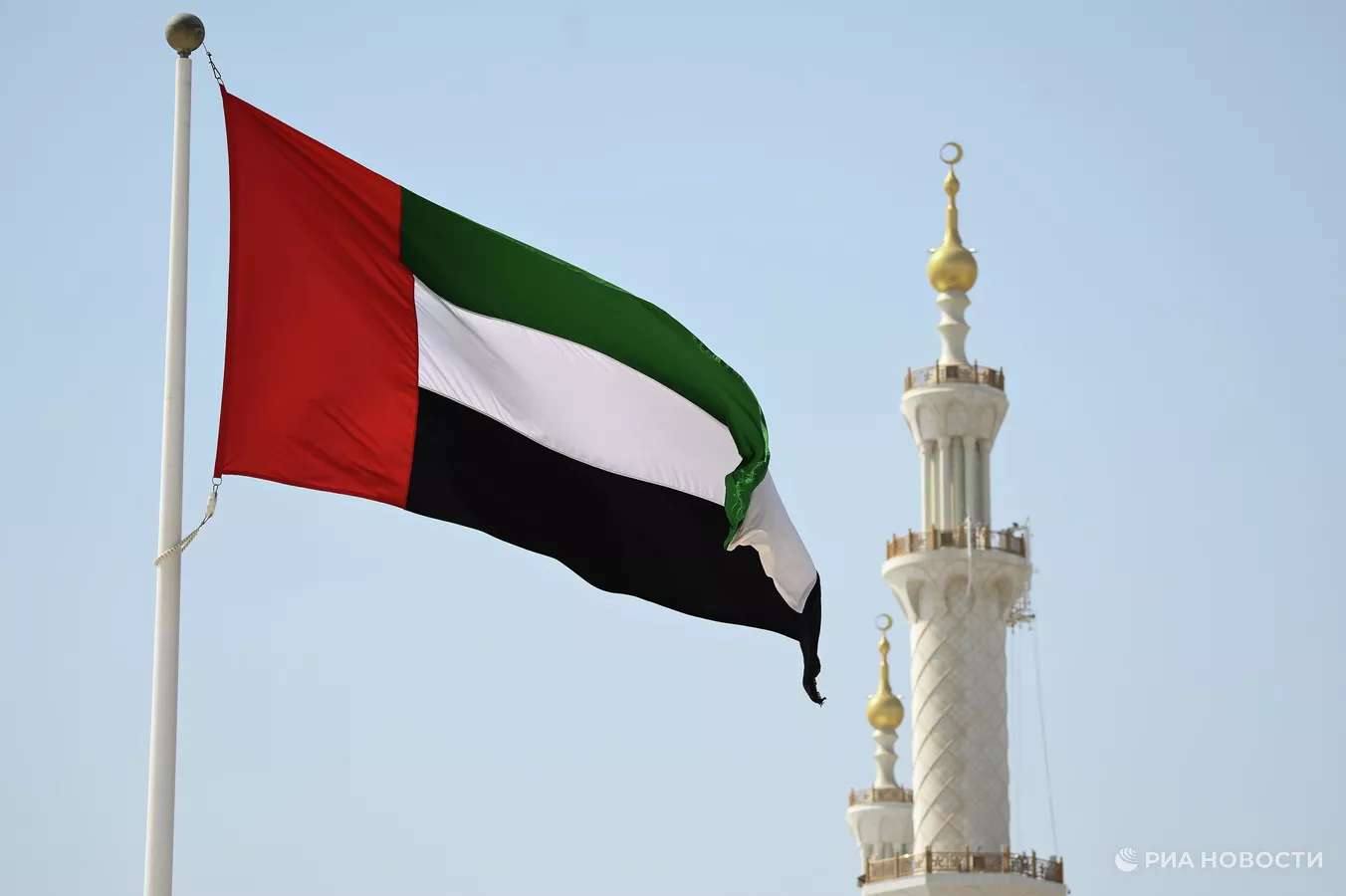
Saudi Arabia, Qatar, and the UAE personally asked US President Donald Trump to delay a military strike on Iran by just two to three days. Trump revealed this himself, speaking to reporters at a White House event on May 19. “Saudi Arabia, Qatar, the UAE, and a few other countries asked me to delay for two or three days, not long because they felt they were very close to a deal,” Trump told journalists. The Gulf nations believed active diplomacy could still deliver results but time was slipping fast.
Also Read | Iran Readies New Tactical Moves if the US Strikes Again
Iran’s Counteroffer Falls Short
On May 18, Iran sent Washington its formal response a set of comments reacting to US-proposed adjustments to a conflict resolution plan. The White House reviewed the Iranian counteroffer carefully. It found the proposal insufficient to move toward any final agreement. The two sides remained far apart, despite the back-and-forth of diplomatic notes.
Also Read | White House Rejects Iran’s Latest Peace Offer; Calls It Far Short of a Real Deal
The Ceasefire That Didn’t Fully Hold
The US and Israel launched strikes on Iranian territory on February 28 killing more than 3,000 people. After weeks of intense conflict, Washington and Tehran announced a ceasefire on April 8. Follow-up negotiations held in Islamabad ended without any breakthrough. No resumption of active combat was officially announced but the US moved swiftly to impose a naval blockade on Iranian ports. The pressure campaign continues, even as diplomacy remains technically alive.
Also Read | Trump Says He Won’t Budge; No Concessions to Iran in Nuclear Talks


 Mayur Mohta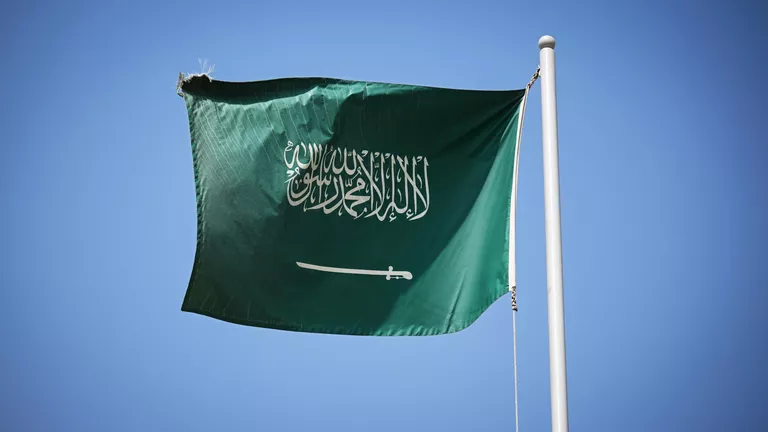
 Pratik Agrawal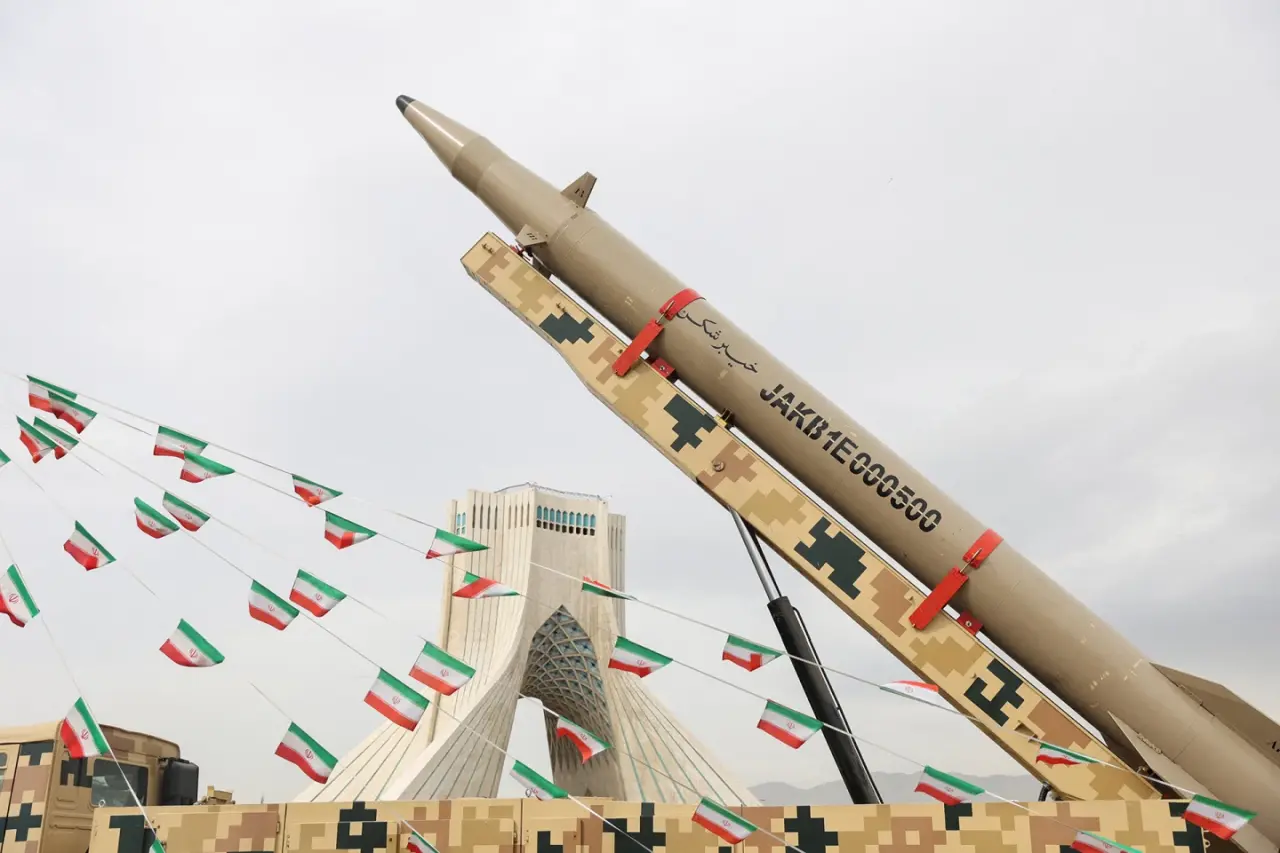

 Aditya Didwaniya