 Pratik Agrawal
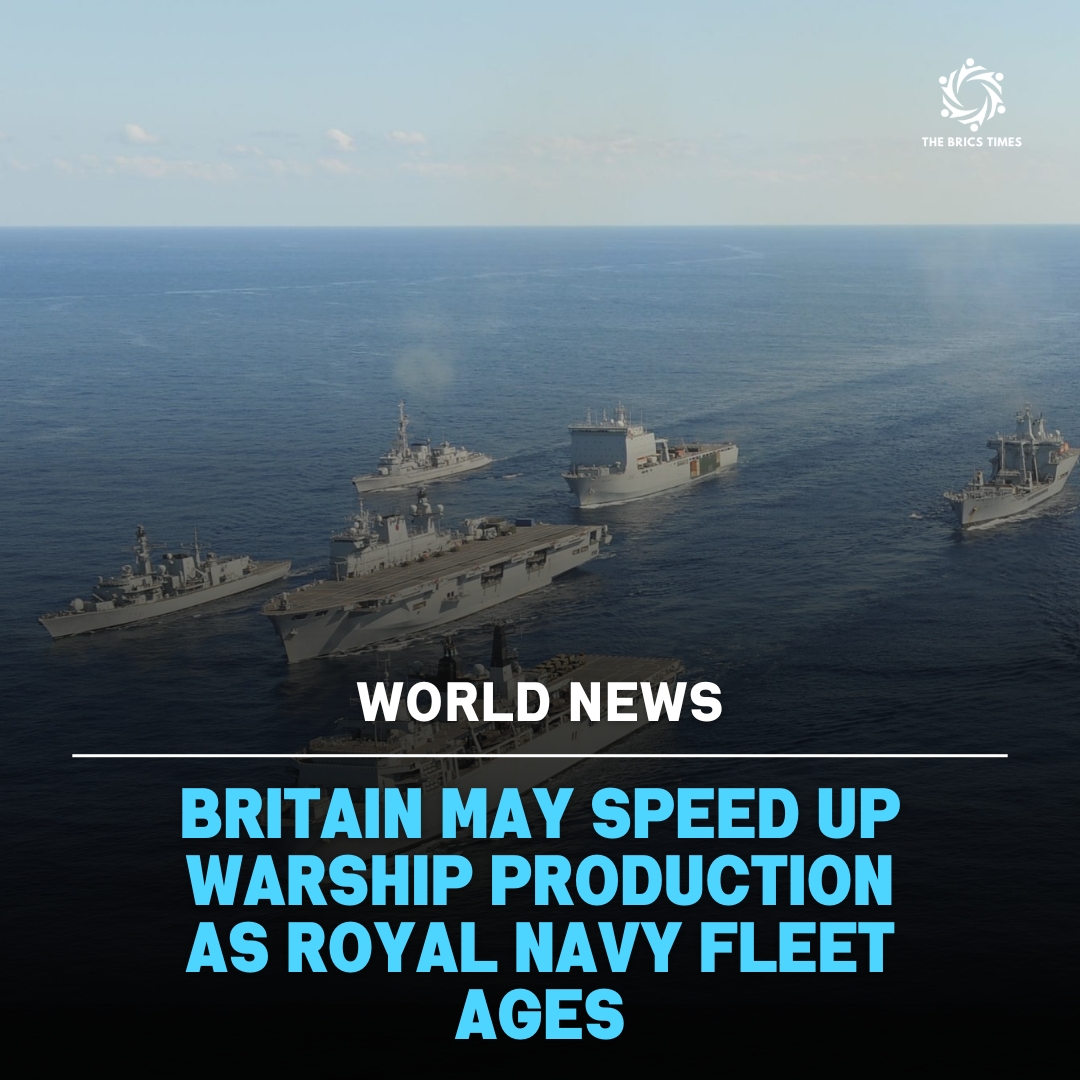
The United Kingdom is weighing plans to speed up the production of UK warships because of the poor condition of its current fleet, The Times reports, citing sources familiar with the matter.

Britain is looking at ways to fast track its UK warship production program after growing worries about the state of its naval fleet, The Times newspaper reports, citing people familiar with the matter.
Naval Command Reviewing Faster Delivery Plans
According to the report, naval officials are reviewing options for quicker delivery of new ships. The concern driving this is simple. Current vessels are aging badly and some are said to be unfit for sea duty.
The newspaper quoted a source describing the situation directly:
“The Navy command is considering plans to accelerate the delivery of new warships, amid concerns that existing vessels are rotting and unfit for sea.”
Babcock May Add Staff or Double Shifts
The Times says Babcock, the defence contractor running shipyard operations in Scotland, could take one of two routes. It may hire extra workers for its yard. Or it could ask current staff to take on double shifts.
Either move would help ramp up work on five Type 31 frigates currently under construction. Both options aim to push UK warship production into a higher gear without major delays.
More Funding Needed, First Frigate Possible by 2028
Speeding things up will not come free, the report notes. Extra funding from the government will be required to make the accelerated timeline work.
A source cited by the paper said the plan could see the very first Type 31 frigate ready for service as early as 2028, well ahead of earlier expectations tied to the original Royal Navy fleet renewal schedule.
Wider Tensions Shape the Backdrop
This news lands against a tense security backdrop in Europe. Russia has repeatedly flagged what it calls unprecedented NATO activity near its western borders in recent years. The alliance keeps expanding its military initiatives, framing the moves as deterrence against Russian aggression.
Moscow has voiced concern more than once about NATO’s growing troop and asset buildup across Europe. Russian officials maintain that dialogue with NATO remains possible, but only on equal terms.
The Russian Foreign Ministry has said the West would need to step back from militarizing the continent first. Only then, officials argue, could genuine talks move forward.

 Mayur Mohta

 Akshay Didwaniya

 Aditya Didwaniya