 The BRICS Times
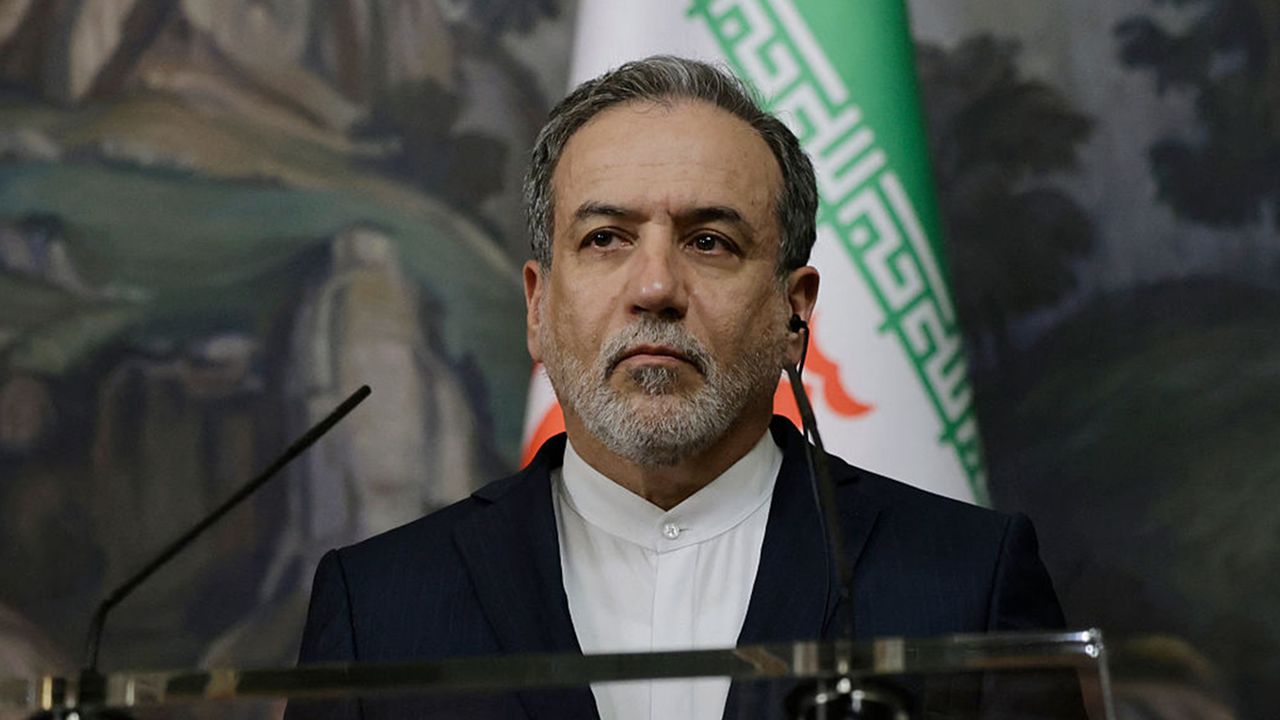
Iranian Foreign Minister Abbas Araghchi pushed back hard against Donald Trump’s move to call the Strait of Hormuz the “Strait of Trump.” He praised Trump for using “Persian Gulf” correctly but warned that renaming Hormuz is a serious and unacceptable error, especially on Iran’s National Persian Gulf Day.

Iran Marks 400 Years of Hormuz Victory Then Trump Renames It
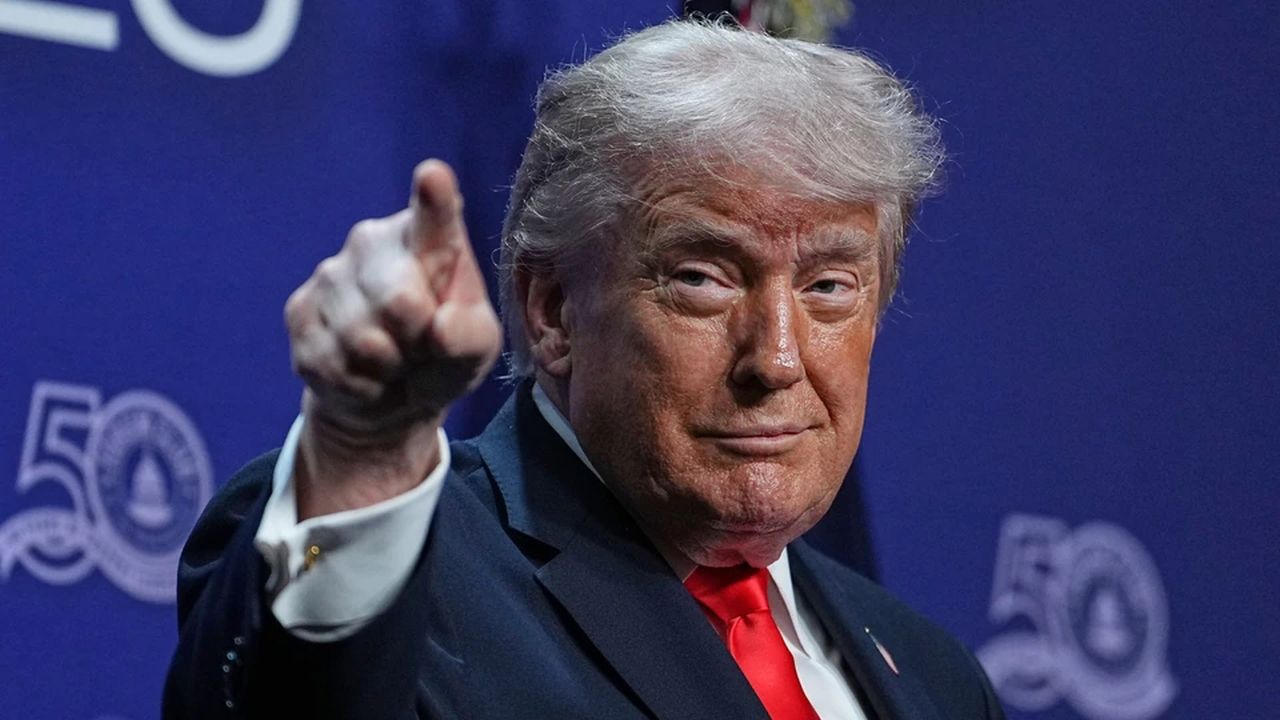
Iran celebrated its National Persian Gulf Day on April 30 a day marking the country’s historic 1622 expulsion of Portuguese colonial forces from the Strait of Hormuz. But the occasion turned sharply political when US President Donald Trump posted an image online that renamed the strait as the “Strait of Trump.”
Iranian Foreign Minister Abbas Araghchi fired back swiftly and pointedly on X. He acknowledged Trump got one thing right. Trump used the term “Persian Gulf” in his post the historically accurate name rather than the Pentagon’s preferred label. The Pentagon refers to the body of water as the “Arabian Gulf,” a name Tehran has long condemned.
Araghchi Draws a Clear Line on Hormuz
But Araghchi drew a sharp distinction when it came to the Strait of Hormuz. “Today is Persian Gulf Day in Iran, marking our ancestors’ expulsion of the Portuguese from the Strait of Hormuz 400 years ago,” he wrote. “POTUS uses the correct term ‘Persian Gulf,’ not the Pentagon’s fake version. But calling Hormuz anything else is indeed a ‘terrible mistake.'”
The minister’s tone was pointed part praise, part firm rebuke. He made clear that Iran views any distortion of Hormuz’s name as a direct insult to history, to sovereignty, and to national identity.
Trump’s History of Renaming Places
This is far from Trump’s first attempt at geographic rebranding. Earlier in January 2025, he signed an executive order renaming the Gulf of Mexico the “Gulf of America.” He also changed the name of Denali North America’s highest peak back to “Mount McKinley.” Trump even joked publicly that he once considered calling the Gulf of Mexico the “Gulf of Trump” before dropping the idea.
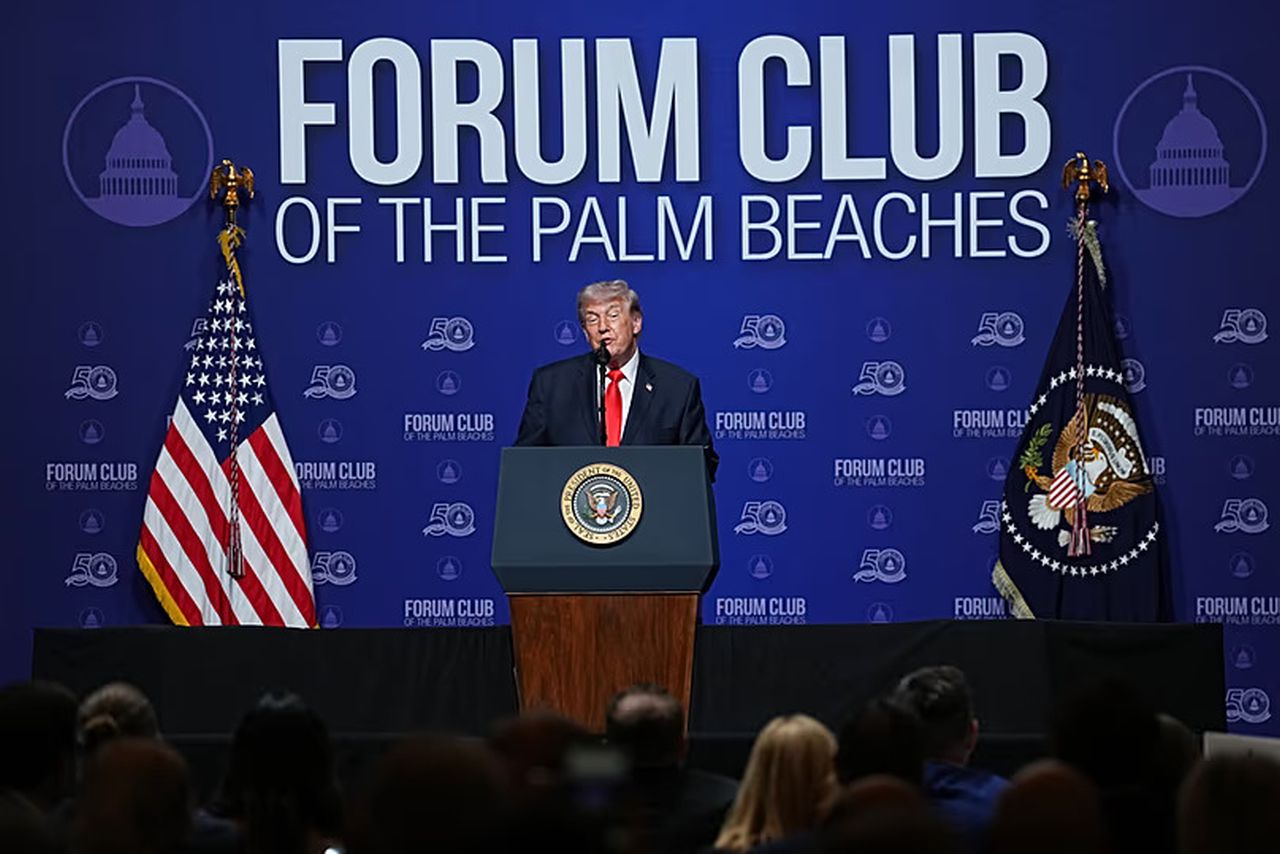
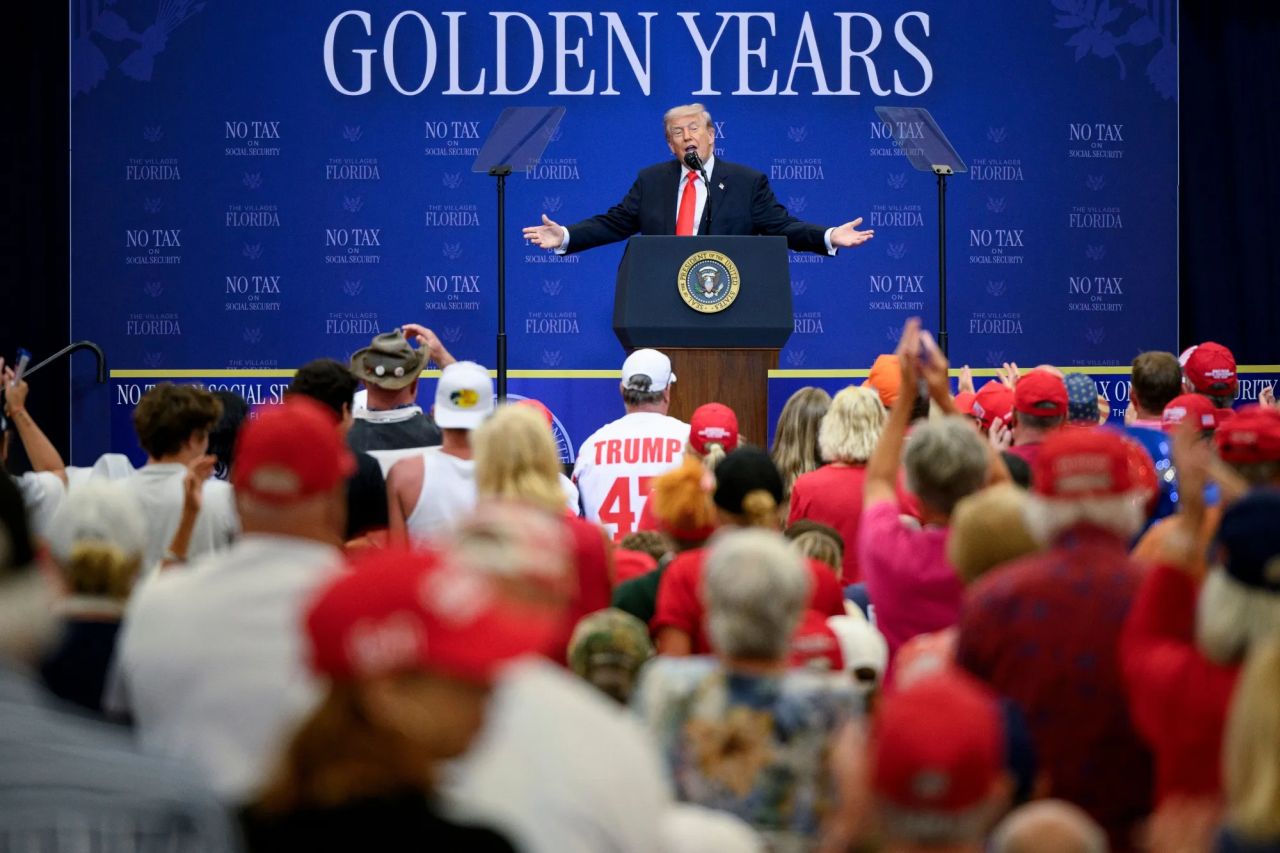
At the Future Investment Initiative in Miami, Trump made the Hormuz remark in front of a live audience. “Iran has to open up the Strait of Trump I mean, Hormuz,” he said, pausing for laughs. “Excuse me. I’m so sorry. Such a terrible mistake,” he added mimicking regret before clarifying the slip was entirely intentional.
Persian Gulf Day and a 2,500-Year Heritage
Every April 30, Iran commemorates National Persian Gulf Day a day tied to its 1622 victory over colonial occupation along its southern coast. The occasion holds deep cultural and political significance. Iran considers the name “Persian Gulf” a 2,500-year-old historical reality not open to debate or political spin.
The Pentagon’s use of “Arabian Gulf” has long been a sore point for Tehran. Iran sees the label as a politically motivated attempt to erase centuries of Persian heritage from the region’s identity.
Hormuz Crisis Adds Explosive Context
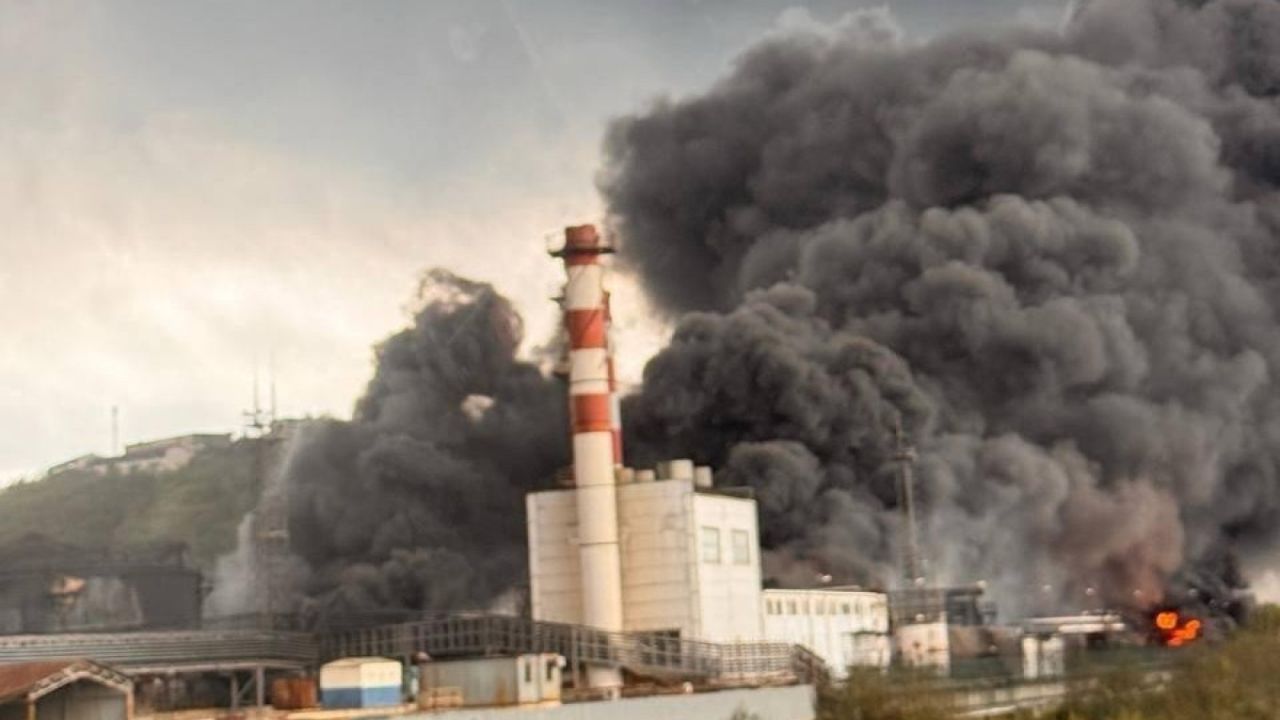
The diplomatic barb lands at a particularly tense moment. Since late February 2026, the Strait of Hormuz through which roughly 20 million barrels of oil pass daily has been largely shut down. The disruption followed a US-Israeli military operation against Iran. The fallout has sent global oil prices surging Brent crude traded above $120 per barrel before settling near $115. Petrol prices across the United States hit a national average of $4.30 per gallon up sharply from the week before.
A Pakistan-brokered ceasefire took effect on April 8 but peace talks in Islamabad broke down. The US and Iran failed to find common ground with Washington accused of shifting its demands. Trump extended the truce unilaterally but maintained a blockade on Iranian ports a move Tehran condemned as a direct violation of ceasefire terms.
A Name and a Nerve
For Iran, this is not a trivial matter of nomenclature. The Strait of Hormuz is both a strategic chokepoint and a symbol of national sovereignty. Calling it anything else especially the “Strait of Trump” cuts at something deeper than geography. It touches the pride of a nation that expelled colonial powers from those very waters four centuries ago.
Araghchi’s message, wrapped in measured diplomatic language, carried an unmistakable edge naming it wrong, he said, is not just a mistake. It is a terrible one.