 The BRICS Times
The US Vice President plans a high-stakes trip to Pakistan with top advisors as the window for peace narrow ahead of a critical deadline.

A Diplomatic Gamble in Islamabad
Vice President JD Vance is prepared to lead a senior American team to Pakistan this Tuesday. This mission depends entirely on Iran’s willingness to return to the negotiating table. Time is running out as the current ceasefire nears its end. Joining Vance are key figures Steve Witkoff and Jared Kushner. However, Iranian President Masoud Pezeshkian remains skeptical of American motives. He pointed to a deep history of mistrust between the two nations. Pezeshkian criticized what he called “contradictory signals” from Washington. He stated clearly that Iran would never surrender under pressure or force.
The Strategy of Defiance and Dialogue
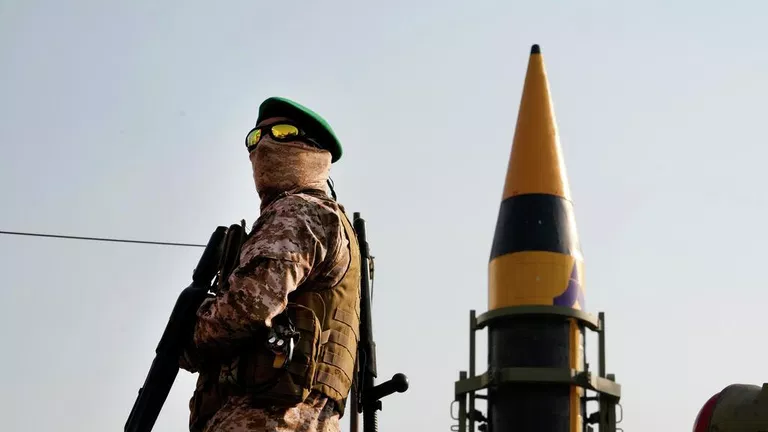
Despite the harsh rhetoric, some Iranian officials see a path forward. Reports suggest Tehran is “positively reviewing” the invitation to talk. If Vance attends, Iran may send parliamentary speaker Mohammad Bagher Ghalibaf. Ghalibaf recently warned that Iran will not negotiate while facing active threats. He claimed on social media that Iran has “new cards” for the battlefield. He accused Donald Trump of trying to force a surrender. Meanwhile, the US demands Iran abandon its nuclear ambitions entirely. Trump has expressed a personal willingness to meet Iranian leaders directly.
Confusion and the Midnight Deadline
Conflicting reports recently clouded the timing of this diplomatic push. President Trump initially suggested the team was already moving toward Islamabad. US officials later clarified that the departure was set for Tuesday morning. This second round of talks aims to end a conflict sparked in February. The pressure is immense as fighting could resume at any moment. Trump has extended the ceasefire by 24 hours until Wednesday evening. He noted that further extensions are highly unlikely. The President insisted he will not be rushed into a “bad deal.”
The High Cost of Failed Negotiations
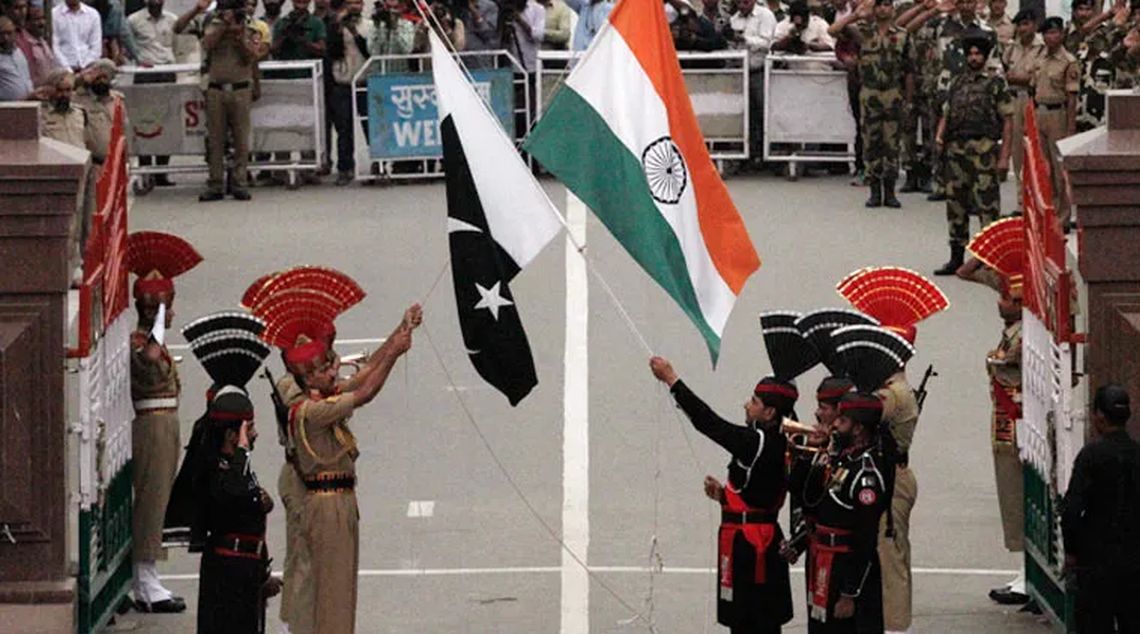
Previous talks failed after 21 hours of intense debate. Iran refused to hand over its stock of highly enriched uranium. Tehran seeks a guarantee against future attacks before signing any deal. The conflict has already taken a massive toll on the region. Pakistan has locked down its capital in preparation for these meetings. Public transport is suspended and security is at its highest level. The country is also suffering from severe power shortages. These blackouts stem from the ongoing blockade of the Strait of Hormuz.
Maritime Conflict and Global Economic Strain
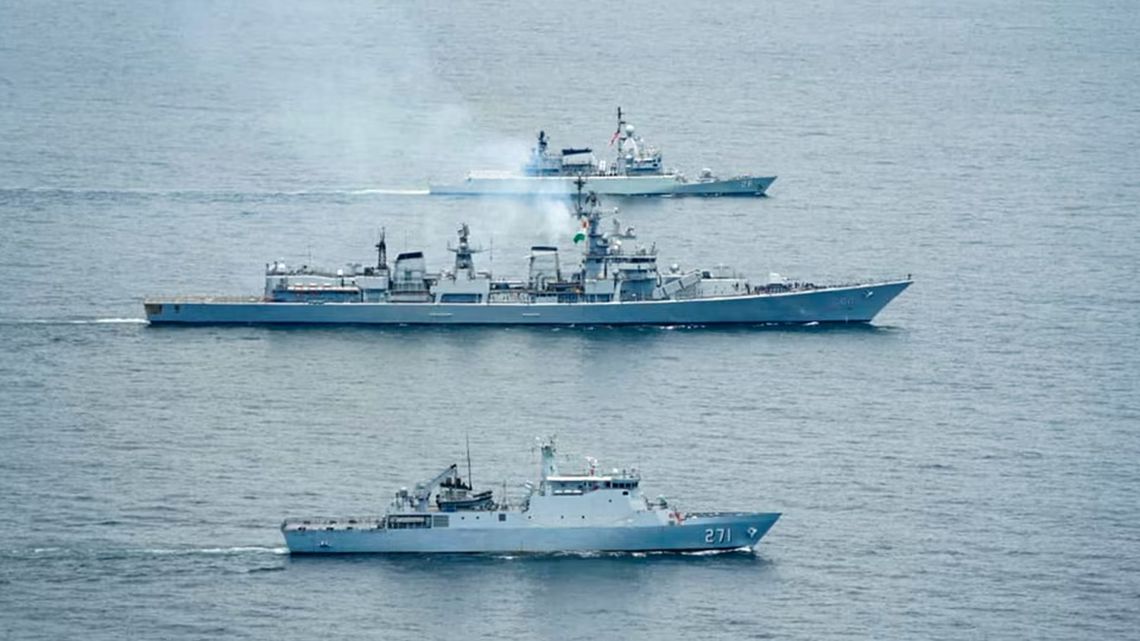
The naval standoff has reached a breaking point in recent days. US forces recently seized an Iranian-flagged ship after a tense encounter. This action followed Iran’s decision to tax merchant ships in the strait. Both nations have maintained blockades, stifling global trade and oil flow. Only a few tankers are currently risking the passage. Consequently, Brent crude oil prices have surged past $95 per barrel. As the Islamabad talks loom, Israel also continues its regional maneuvers. The world now waits to see if diplomacy can prevent a total war.

 Akshay Didwaniya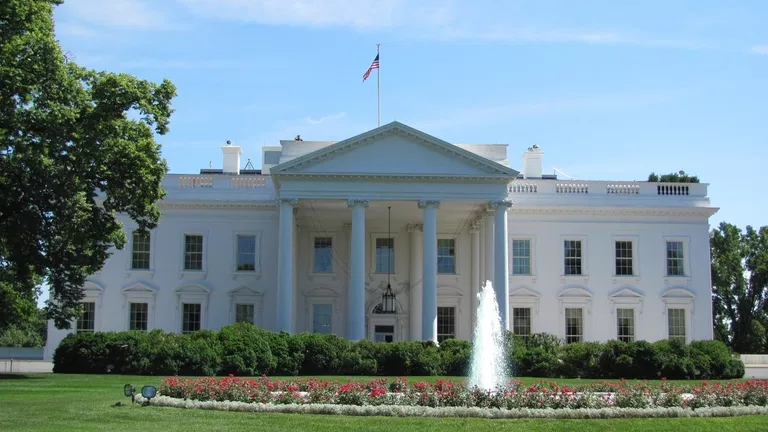
 Pratik Agrawal
 Mayur Mohta
 Aditya Didwaniya