 The BRICS Times
Pakistan’s Interior Minister Mohsin Naqvi lands in Tehran for a two-day official visit his second in two months as Islamabad doubles down on its quiet but growing role as a back-channel bridge between Washington and Tehran.

Pakistan’s Man in Tehran Again
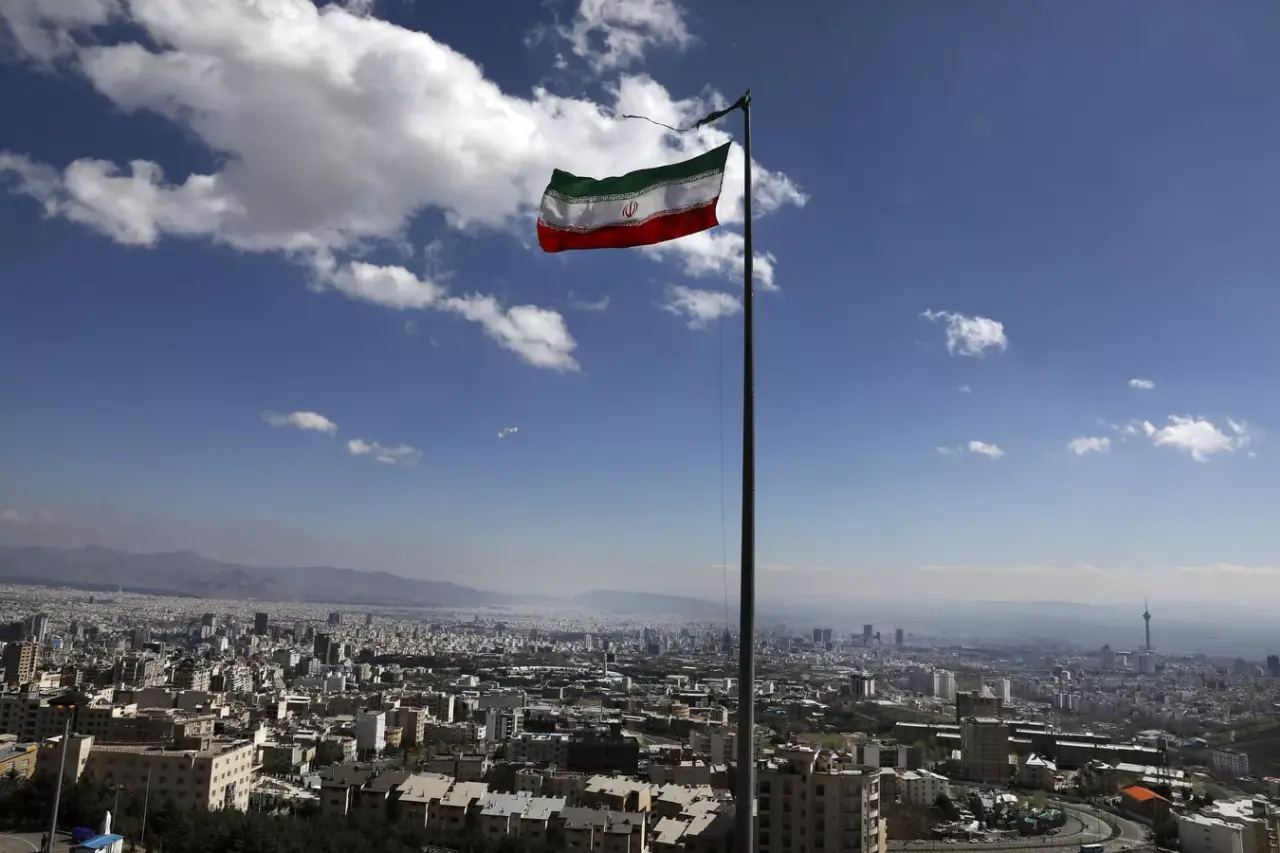
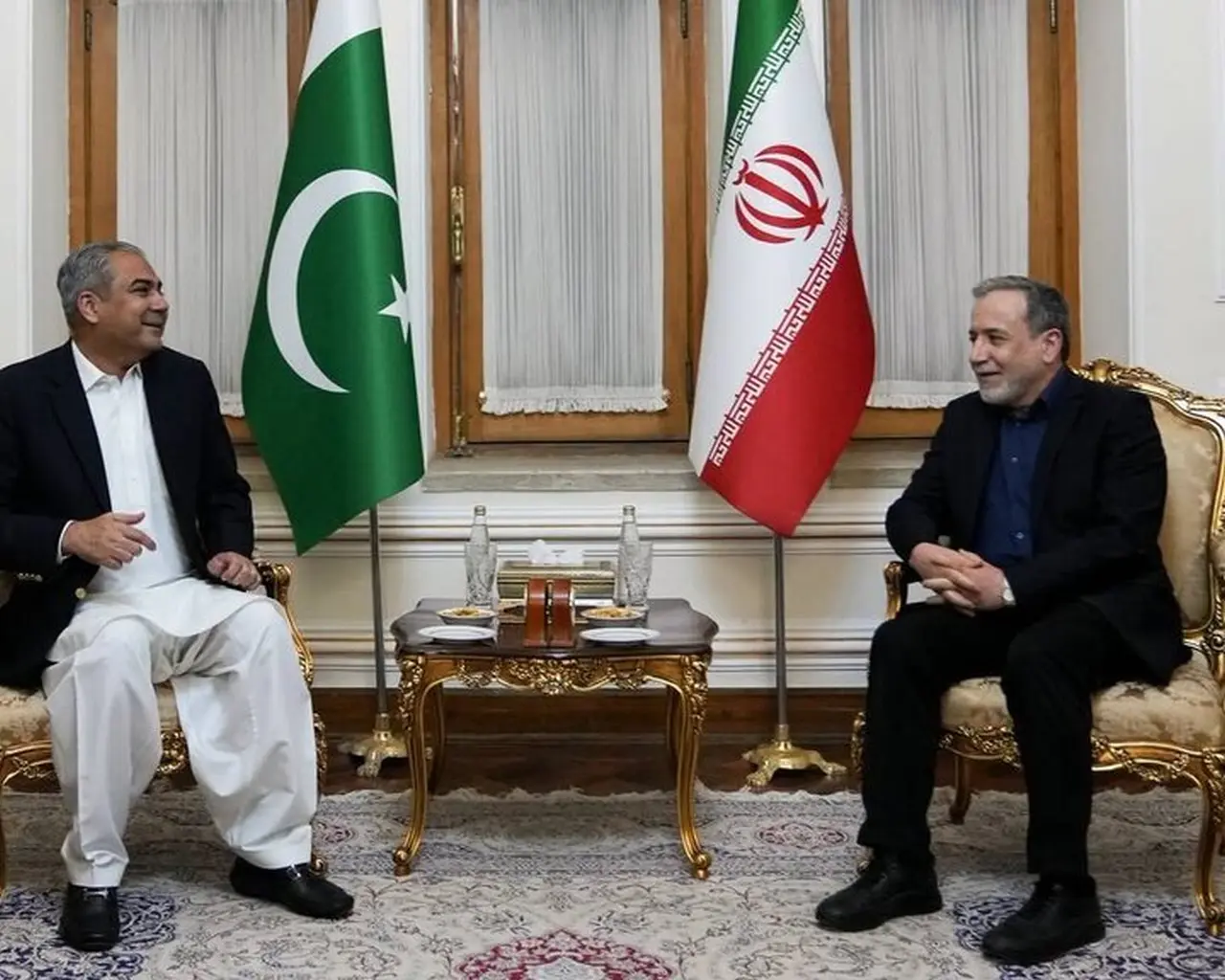
Pakistan’s Interior Minister Mohsin Naqvi touched down in Tehran on Saturday for a two-day official visit stepping back into one of the most sensitive diplomatic corridors in the world. The trip aims to push forward stalled peace negotiations between Iran and the United States, even as a fragile ceasefire holds the conflict at bay.
Iranian Interior Minister Eskandar Momeni received Naqvi upon his arrival in the Iranian capital. Iran’s semi-official Tasnim news agency confirmed the visit, stating that Naqvi had arrived “as part of Pakistan’s ongoing efforts to facilitate talks and promote regional peace.” Pakistan’s Interior Ministry later acknowledged the trip calling it pre-planned but offered little further detail about the agenda or expected meetings.
Also Read | Trump Agrees to Iran Ceasefire Extension Following Pakistan’s Request; Tehran Remains Skeptical
A Second Visit in As Many Months
This is not Naqvi’s first time in Tehran this year. Just last month, he accompanied Pakistan’s Chief of Defence Forces and Army Chief Field Marshal Asim Munir on a three-day delegation to the Iranian capital. That earlier visit saw Munir hold meetings with Iranian President Masoud Pezeshkian and separately with Commander of the Khatam al-Anbiya Central Headquarters, Major General Ali Abdollahi.
Field Marshal Munir also sat down with Iranian Foreign Minister Abbas Araghchi and Parliament Speaker Mohammad Bagher Ghalibaf both of whom later joined a US delegation for direct talks hosted by Pakistan in Islamabad last month. During that April visit, Araghchi praised Pakistan for facilitating the diplomatic process saying it reflected the “deep and great bilateral relationship” between the two neighboring countries.
Also Read | Pakistan leverages Middle East mediation to rewrite its global narrative
Iran Acknowledges Pakistan’s Diplomatic Role
In Saturday’s meeting, Iranian Interior Minister Momeni praised Field Marshal Munir’s efforts to ease the spiraling tensions between Tehran and Washington. The two ministers also exchanged views on bilateral ties border trade, transit routes, and the exchange of goods between their neighboring nations. “Momeni expressed his gratitude to the government and people of Pakistan for their friendly and brotherly stance towards the Islamic Republic,” Iran’s state-run IRNA reported.
Pakistan’s foreign ministry had earlier struck a cautiously optimistic note. “The clock on diplomacy has not stopped. The peace process is working,” spokesperson Tahir Andrabi told reporters in Islamabad last month.
Also Read | Iran’s Foreign Minister Heads to Islamabad Tonight as Second Round of US-Iran Peace Talks Inches Closer
The Ceasefire And What Lies Beyond It
The ceasefire that kicked in on April 8 has largely silenced the guns that roared after US and Israeli forces struck Iran on February 28. But silence on the battlefield has not meant progress at the negotiating table. Iran and the United States have since been trading proposals and counter-proposals searching for a middle ground to restart direct talks and end a conflict that has rattled global energy markets.
However, sources say Iran’s latest response relayed to Washington via Islamabad focused mainly on an “immediate” end to hostilities. It offered little movement on Washington’s core demand Iran’s nuclear programme. US President Donald Trump reportedly rejected Iran’s counteroffer and warned the ceasefire was on “life support.”
Araghchi Signals Openness With Conditions
Iranian Foreign Minister Araghchi speaking from New Delhi just a day before Naqvi’s arrival said that distrust of Washington remained the biggest hurdle to a deal. But he signalled Tehran’s openness to diplomatic support from regional countries. His parliament speaker, Mohammad Bagher Ghalibaf, had added sharply on Tuesday that Washington should accept Iran’s peace proposal or prepare for “failure.”
Pakistan’s Quiet Pivot to Power Broker
Behind the scenes, Islamabad has steadily positioned itself as a rare and trusted go-between a country with working relationships on both sides of a deeply hostile divide. Pakistan brokered the original two-week ceasefire on April 8. It then hosted critical face-to-face talks between senior US and Iranian delegations on April 11 and 12 the first such direct engagement in a long time.
Naqvi’s back-to-back Tehran visits and Munir’s own trip just days earlier signal that Pakistan’s mediation role is anything but casual. Islamabad is all-in on keeping the diplomatic channel alive, even as the path to a lasting peace remains narrow and deeply uncertain.


 Aditya Didwaniya
 Pratik Agrawal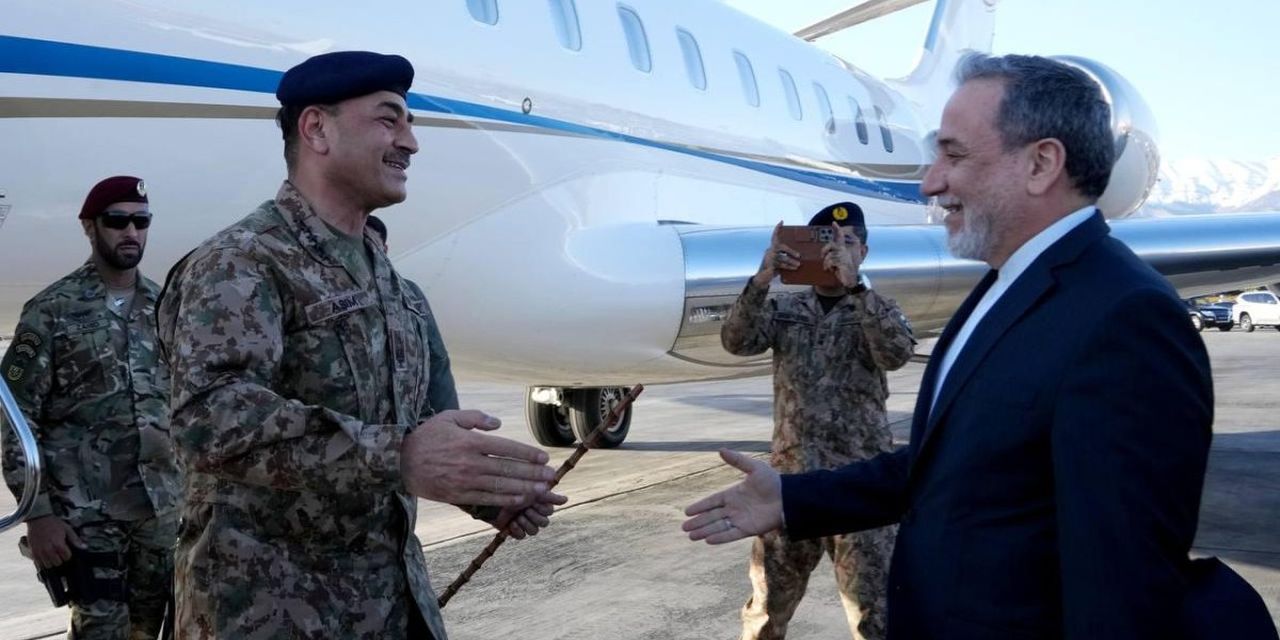
 Akshay Didwaniya