

 Akshay Didwaniya
In a stunning role reversal, Russia one of the world’s biggest oil producers is now buying gasoline from India to survive a growing fuel crisis at home. Ukrainian drone strikes have hammered its refineries, and the country is running dangerously low on petrol.
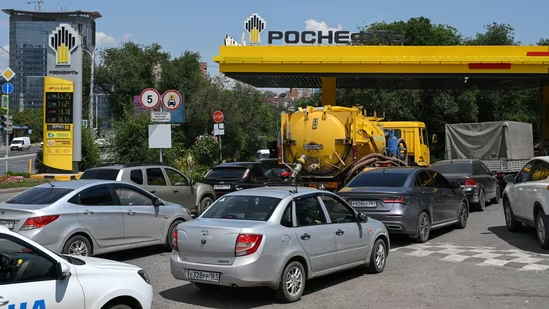
Russia’s growing fuel crisis is pushing the country into unfamiliar territory. One of the world’s largest energy exporters is now buying gasoline from India by sea. Ukraine’s persistent drone strikes on Russian oil refineries and energy facilities have triggered a severe shortage that spans the country’s 11 time zones.
Industry sources cited by Reuters confirmed the development. At least 60,000 metric tons of gasoline have already left India for Russia. Two tankers each carrying between 30,000 and 40,000 metric tons are reportedly on their way to Russian ports. The identity of the Indian refiner supplying this fuel remains unknown.
The crisis gripping Russia is stark. Long queues stretch outside petrol stations. Fuel rationing is visible across multiple regions. Gasoline prices have hit record highs, pushing the wholesale rate above 100 rubles per unit. Russian light aircraft operators have even resorted to using automobile gasoline because aviation fuel is running critically short.
Ukrainian drone attacks have knocked out around 25% to 30% of Russia’s oil refining capacity. Domestic output has fallen to a two-decade low. Russia’s operating refineries now produce roughly 85,000 metric tons of gasoline daily far below the summer demand of at least 110,000 metric tons per day. That leaves a structural daily deficit of about 25,000 metric tons.
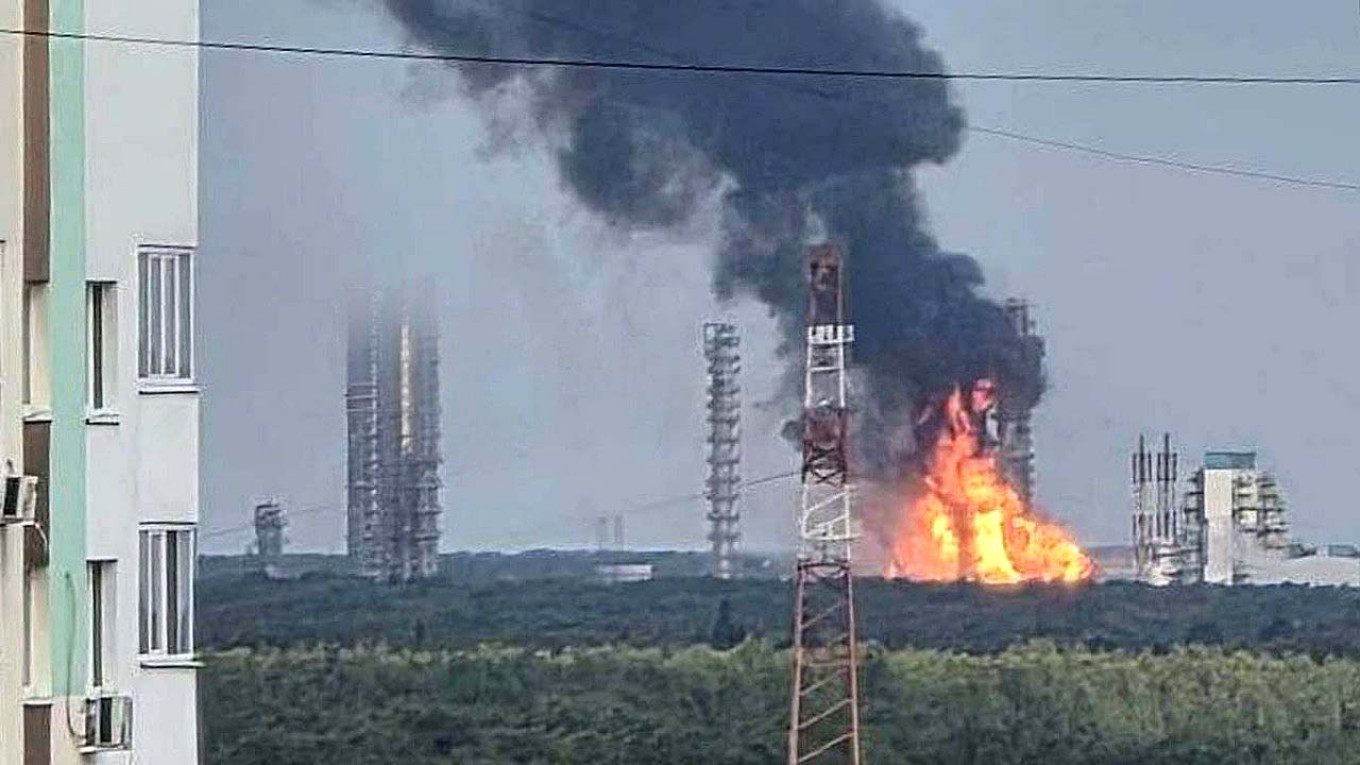
Ukraine has carried out more than 20 strikes against Russian oil refineries since early 2026. Eight of Russia’s ten largest refineries have taken hits. The Moscow refinery in the Kapotnya district suffered severe damage from two back-to-back strikes on June 16 and June 18. Facilities in Saratov, Volgograd, Ryazan, Yaroslavl, Tuapse, and several other cities have also seen major disruptions.
Russia’s plan to bridge this gap is ambitious. A third industry source revealed that Moscow plans to import up to 400,000 metric tons of gasoline every month from multiple countries. Belarus has already stepped up as one key supplier. According to Reuters, Belarus nearly tripled its rail shipments of gasoline to Russia in the first half of June compared to the previous month delivering over 70,000 metric tons in that period.
Russian President Vladimir Putin acknowledged the problem publicly. At a government meeting, Putin admitted that Ukrainian drone strikes had caused fuel shortages in certain regions. He insisted, however, that the situation remains under government control.
Russia’s parliament moved quickly to support the import push. Lawmakers approved urgent changes to the country’s tax code last week. The changes include special subsidies for fuel imports, calculated based on Indian market prices and shipping costs from Indian ports to Russia. This makes seaborne imports from India financially viable, despite the enormous distance involved.
The India connection runs deeper than just gasoline exports. India’s crude oil imports from Russia surged to a record high in June 2026. Ship-tracking data from LSEG and Kpler showed Russia accounting for more than half of India’s total crude oil imports last month up sharply from 36.5% in May. India imported roughly 2.7 million barrels of Russian crude oil per day in June.
Indian refiners are processing this discounted Russian crude and sending refined gasoline back to Moscow. It is a full-circle energy trade that few would have predicted even a year ago. Russia sells cheap crude to India. India refines it and ships the finished product right back.
The Kremlin confirmed that Russia is in active talks with several countries about importing fuel at acceptable prices. The fuel crisis has exposed how deeply Ukraine’s long-range drone campaign is reshaping the economics and logistics of the Russia-Ukraine conflict not just on the battlefield, but deep inside Russia’s own energy sector.



 Mayur Mohta

 Aditya Didwaniya