 Mayur Mohta
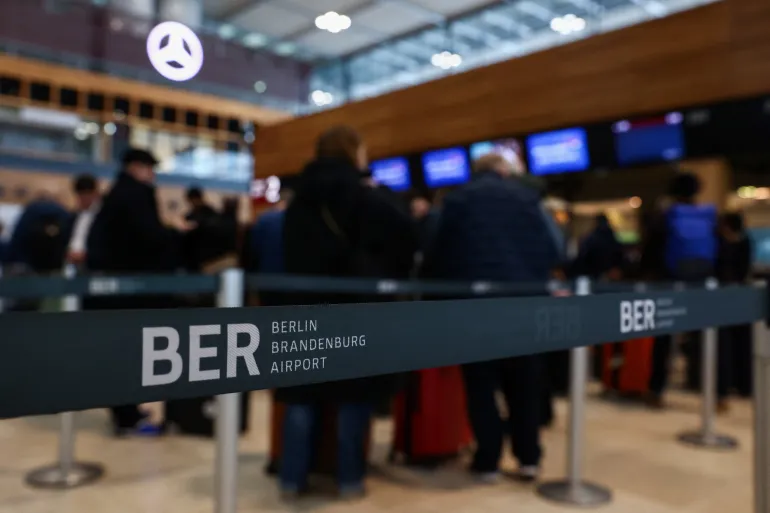
Airlines and airports across Europe are sounding the alarm over the bloc’s Entry/Exit System, citing five-hour queues and half-empty planes departing without passengers.

Europe’s summer travel season is in serious trouble. The EU’s newly launched digital border checking system is creating massive disruption. Passengers are getting stuck in five-hour queues. Planes are taking off half-empty because people cannot get through border checks in time.
That is the stark warning coming from the aviation industry’s biggest voices this week.
In an open letter posted online on Wednesday, the leading bodies representing Europe’s airports and airlines told EU Commission President Ursula von der Leyen that the situation had hit a “critical point.” The Entry/Exit System (EES) the EU’s new biometric border tracking tool is to blame.
“The current implementation of the EES is creating severe operational consequences, disrupting passengers and putting border authorities, airports and airlines under unsustainable pressure,” the letter stated.
The letter came from three powerful industry bodies: Airports Council International Europe, Airlines for Europe, and the International Air Transport Association.
Their message was clear and urgent. “We therefore urge your immediate intervention before the situation deteriorates further during the peak summer travel season.”
And the timing could not be worse. European airports expect to handle 40 million extra passengers in July and August alone. That is 40 million more people compared to the two months before that.
EU leaders “must take stock of the reality of the current situation,” the groups wrote. “Without additional flexibility, existing challenges will inevitably intensify.”
The groups warned that travel chaos is damaging Europe’s image as a top destination. International visitors are already second-guessing their Europe trips. “Reports already suggest that some international travellers are reconsidering trips to Europe because of the prospect of excessive border delays,” the letter said.
Their solution? Give EU member states the power to fully suspend the EES system whenever passenger numbers go beyond what border facilities can handle. This flexibility must kick in before full staffing and system stability come into place.
The tourism industry echoed that warning loudly. The World Travel and Tourism Council (WTTC) the globe’s biggest tourism industry body backed the letter on Wednesday. It said delays could put 41 million arrivals and a staggering $45.4 billion in visitor spending at risk.
“If lengthy delays become accepted practice, travellers will look elsewhere,” said WTTC President and CEO Gloria Guevara. “Europe cannot afford to compromise its competitiveness or the experience it offers millions of visitors.”
The EU’s Entry/Exit System rolled out in October as a replacement for old-fashioned passport stamping. The system collects each traveller’s name, passport details, fingerprints, and facial images. It also logs their date and place of entry and exit into the EU.
The European Commission declared the EES “fully operational” across the Schengen Area in April. But long queues and disrupted flights have followed the system ever since its launch.
The European Commission had not responded to a comment request by the time of reporting.


 Akshay Didwaniya

 Aditya Didwaniya