

 Akshay Didwaniya
Iran’s military links fresh Lebanon ceasefire breaches by Israel and the US to its renewed closure of the Strait of Hormuz.

Tehran Reacts to Lebanon Violence
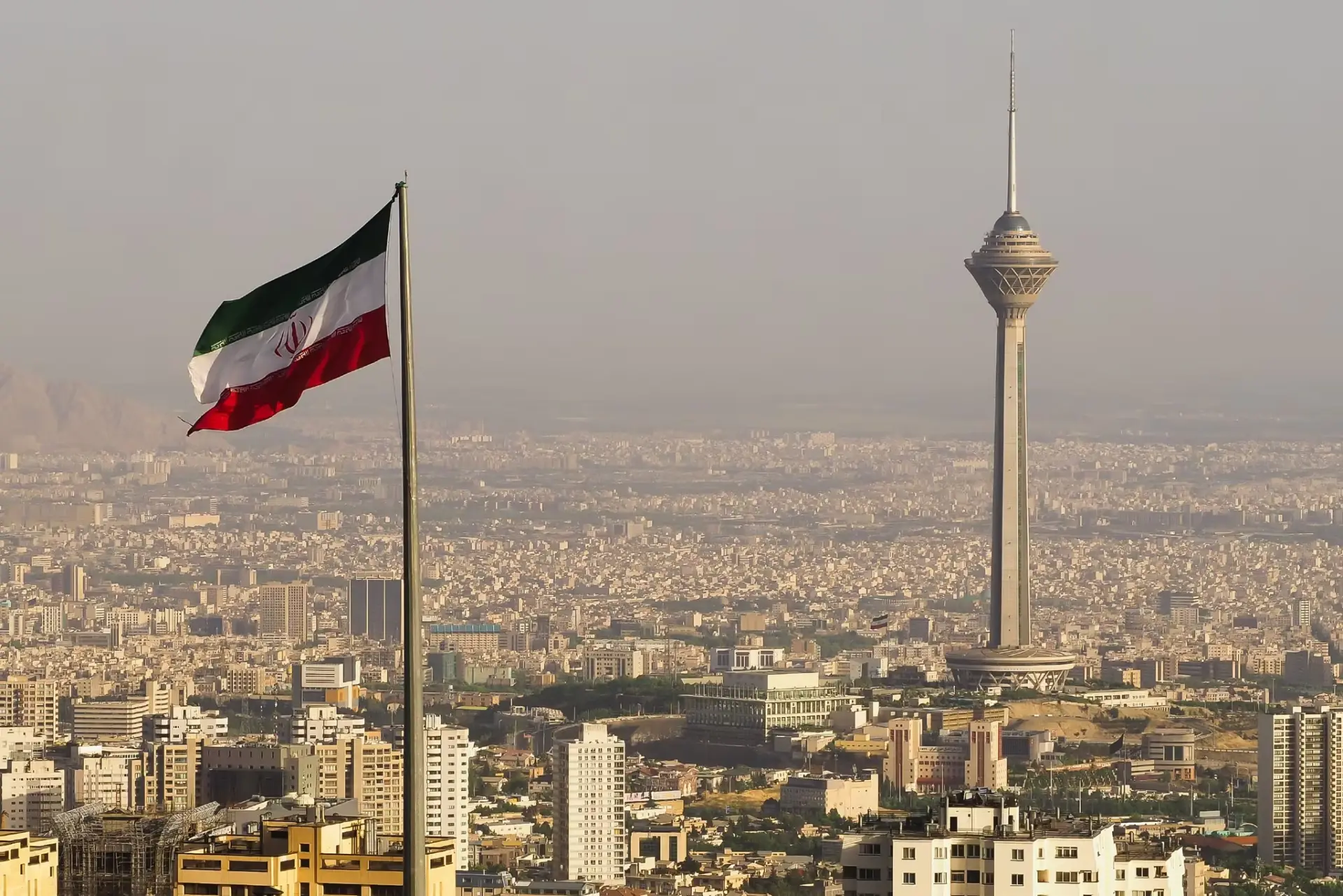
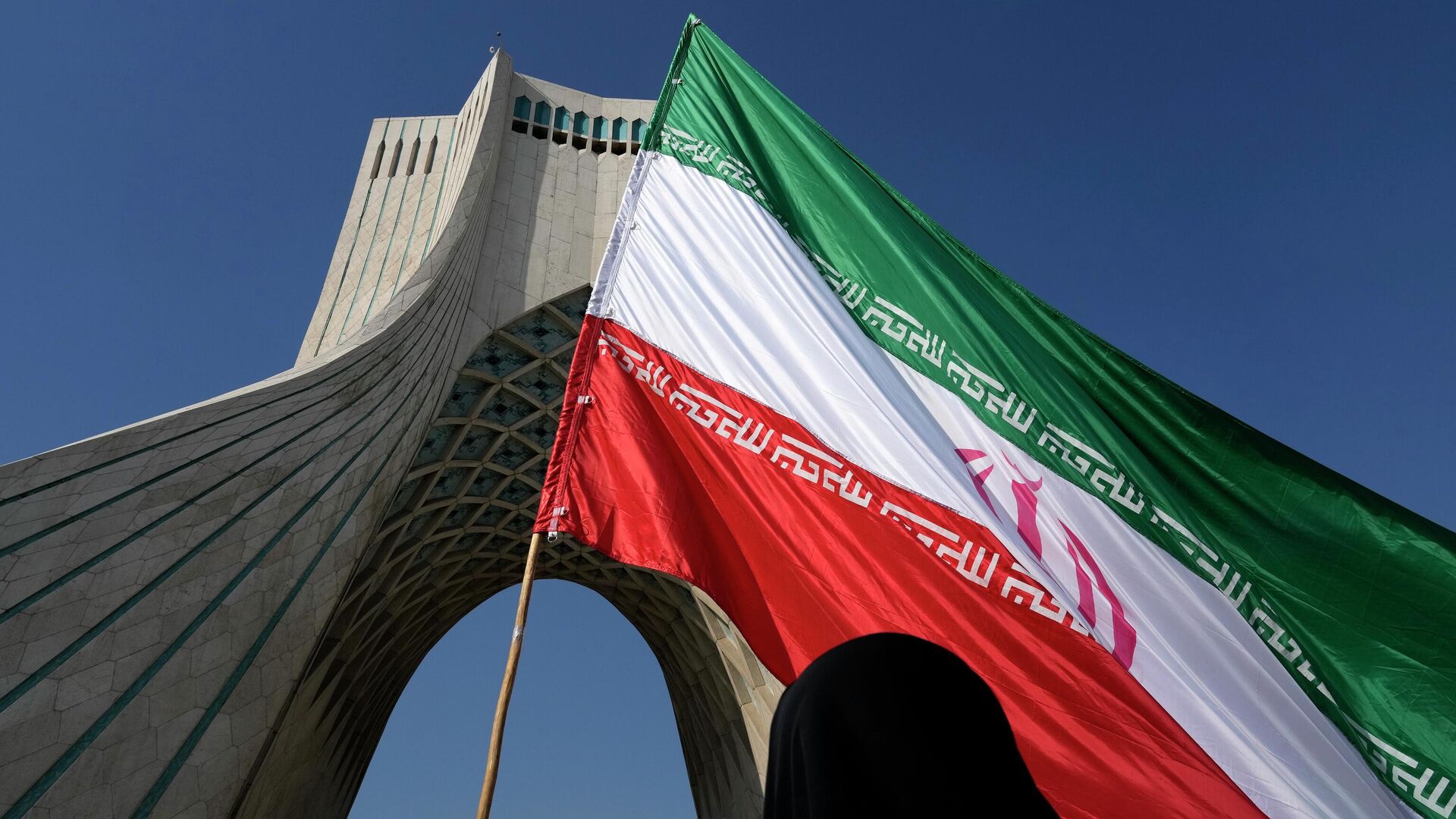
Iran announced on Saturday it was shutting the Strait of Hormuz once more this time over Israeli attacks inside Lebanon. The move rattled a shaky US-Iran agreement, arriving just as negotiators were set to travel to Switzerland to rescue the broader Middle East peace push.
Follow-up talks had originally been scheduled for Friday in Switzerland. They got pushed back at the last minute, though, after Israel carried out deadly strikes in Lebanon following the deaths of four of its soldiers in combat.
Washington then announced a fresh ceasefire later Friday a core condition of its deal with Iran. But Israeli troops clashed with Hezbollah fighters again on Saturday, and both sides blamed each other for breaking the truce.
Iran’s central military command pointed to a US “breach of contract” and what it called “the Zionist regime’s continuous and relentless violation of the ceasefire in southern Lebanon.” It then declared that “the Strait of Hormuz will be closed to vessel traffic.”
The Revolutionary Guards’ naval force also issued a stark warning to ships, cautioning that “their security will be jeopardised” if they came near the waterway.
Why Hormuz Matters So Much
Hormuz is a critical passage for global oil and gas shipments. Iran had blockaded it for much of the ongoing war, sending tremors through energy markets worldwide.
Tehran had agreed to reopen the strait under a preliminary accord. President Donald Trump and Iranian President Masoud Pezeshkian signed that deal earlier this week. Shipping traffic through Hormuz had only just started recovering.
After Iran’s latest announcement, US Central Command said safe passage through the waterway had “remained intact,” adding that American forces were “present and vigilant.”
Trump later issued his own warning — suggesting Washington could impose tolls on Hormuz if negotiators couldn’t finalize the deal. He wrote on Truth Social that there would be no tolls “unless they are imposed by and for the United States of America.”
Diplomats Head to Switzerland
An Iranian delegation departed for Switzerland on Saturday afternoon, according to state media. The country’s official broadcaster said the group included parliamentary speaker Mohammad Bagher Ghalibaf and Foreign Minister Abbas Araghchi.
Foreign ministry spokesman Esmaeil Baqaei said the delegation would “demand implementation of the other party’s commitments” under the agreement. He warned that “otherwise, the entire understanding will be in trouble,” according to official news agency Irna.
US Vice President JD Vance also left Washington Saturday afternoon, flying out to join the Switzerland talks himself.
He told reporters before boarding that “I can only be there for a day or two. I think we’re going to hopefully make progress on the nuclear issue, make progress on the Lebanon ceasefire issue. Those are the two big things that I think we’re to be focused on. I’m sure the Iranians are going to have issues they’d like to discuss as well.”
US negotiators Jared Kushner and Steve Witkoff were already on the ground, handling “”some of the technical elements.” Vance said in an earlier Fox News interview that “things are going well.”
Mediator Pakistan said “technical-level talks” were planned for Sunday in Burgenstock, Switzerland. Pakistani and Qatari mediators will join US and Iranian representatives there. Pakistan’s interior minister was reportedly in Iran on Saturday for separate meetings with officials.
These talks are meant to kick off a two-month negotiation window covering issues the initial accord left unresolved — particularly Iran’s nuclear programme.
Switzerland’s foreign ministry confirmed unnamed foreign envoys were “continuing their efforts to maintain the dialogue,” though it declined to share further details.
Lebanon’s Fragile Truce Keeps Breaking
Israel and Hezbollah kept trading blame on Saturday as fighting dragged on in southern Lebanon. The Israeli military reported one soldier killed in combat — the fifth such death since the US-Iran deal was struck.
An Israeli army official later said troops received orders from political leadership to cease fire. The official added that soldiers were “not conducting proactive strikes” but were instead operating defensively inside a security zone.
Earlier, an Israeli military official said fresh attacks began after Hezbollah “launched more than 50 projectiles at Israeli forces in southern Lebanon” overnight.
Hezbollah accused Israel of attempting “under the cover of the ceasefire…an infiltration attempt towards the Ali Taher hills” a strategic area overlooking Nabatieh. The group said its fighters responded “with appropriate weapons.”
Lebanese state media reported Israeli air raids hit around 20 locations. The country’s civil defence agency said 16 people died in the Nabatieh area alone.
Lebanon’s health ministry reported seven more deaths and 13 injuries from a strike near Sidon. The overall death toll from the fighting has now passed 4,000.
Hezbollah lawmaker Hassan Fadlallah said his group retains “the full right to confront this enemy when it attacks us.”
Israel’s US ambassador Yechiel Leiter insisted Hezbollah broke the truce first, saying Israel was “defending itself against terrorist attacks.” Hezbollah, however, said Israel bore “full responsibility” for the violence.
Hezbollah had pulled Lebanon into the wider regional conflict back in early March, firing rockets at Israel after US-Israeli strikes killed Iran’s supreme leader. A previous ceasefire attempt in April never held either — each side accused the other of violations at the time.

 Mayur Mohta


 Pratik Agrawal

 Aditya Didwaniya