 The BRICS Times
India’s IT industry is increasingly anxious about the possibility of fresh US tariffs. If imposed, these restrictions could heavily dent the multi-billion-dollar software export business.

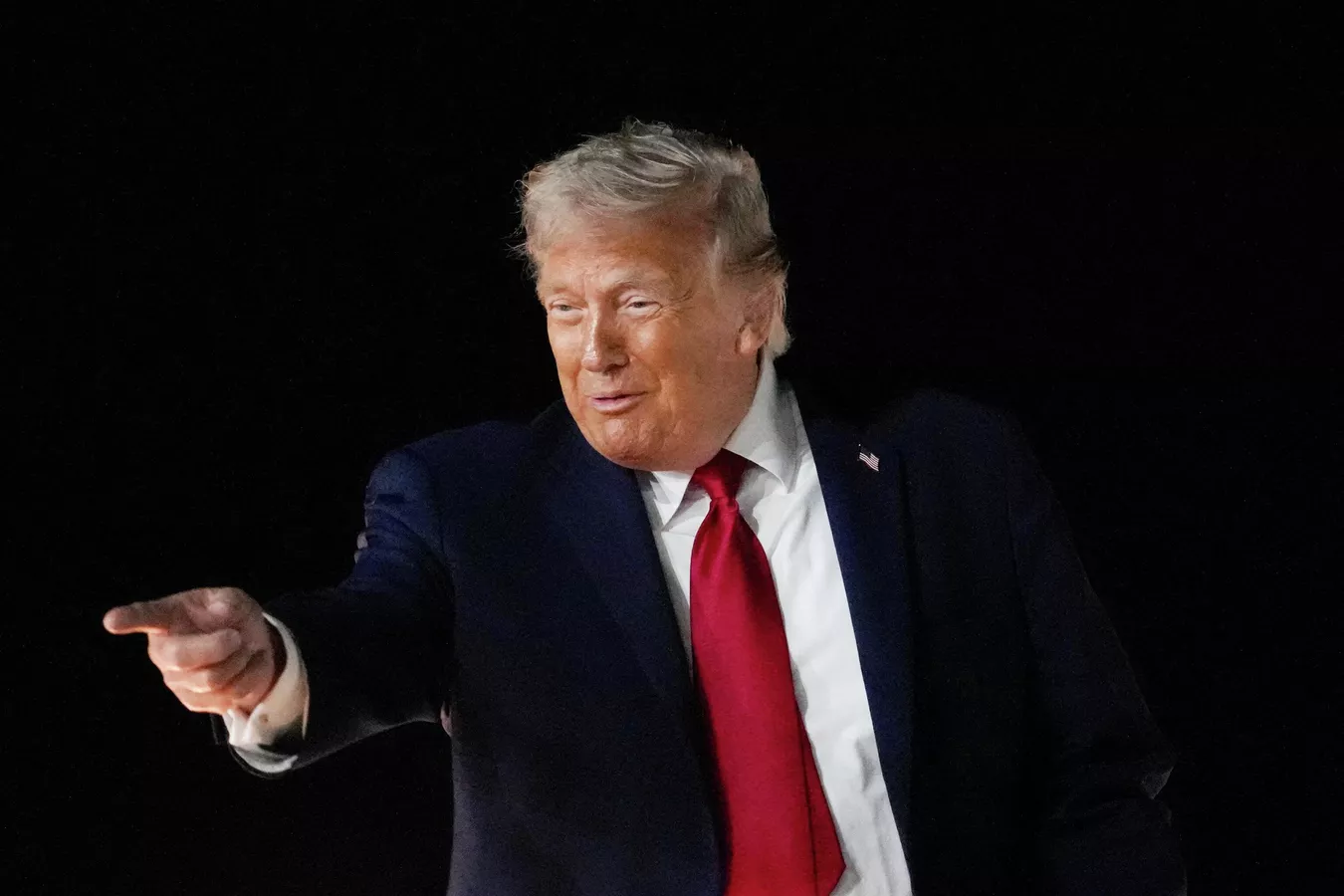
The return of Donald Trump to the US presidency has once again brought the threat of tariffs into global discussion, as he seems determined to wield his tariff policies across countries in a unilateral manner. Even though American courts have criticized him for this aggressive approach, Trump remains unfazed and continues making bold statements. India has not been spared either, with a steep 50 percent tariff already placed on its goods, hitting sectors ranging from textiles to automobiles. Now, fears are mounting that the software export and IT services industry could be the next in line to face the brunt. With a market size of over $283 billion, the Indian IT sector is gripped by uncertainty.
According to a report by the Economic Times, this industry, which is already navigating the challenges of artificial intelligence and global economic instability, is now staring at the looming possibility of tariffs. The technology outsourcing sector, worth around $283 billion, includes major players like Tata Consultancy Services (TCS), Infosys, HCLTech, and Wipro. More than 60 percent of their revenues currently come from the United States, making them particularly vulnerable to any policy shift.
For India, the damage could be twofold if the US administration decides to impose tariffs on service exports. Industry experts point out that this would lead to a situation of double taxation since Indian software service providers already pay substantial taxes in the US. Moreover, if Washington further tightens visa regulations, the cost of deploying employees in the US or neighboring regions would escalate sharply, making operations significantly more expensive.
So far, the American government has not officially announced any such plan or proposal. However, concerns escalated when Peter Navarro, senior advisor to the US president on trade and manufacturing, recently reposted a comment on social media suggesting the possibility of tariffs on outsourcing and foreign remote workers. This has intensified speculation within the industry that such a move could indeed be on the horizon.
Interestingly, Trump’s aggressive stance on tariffs seems to have mellowed in recent months. Unlike the sweeping measures he pushed globally earlier this year, his tone has softened somewhat since April. In a recent statement, he remarked, “I will always remain a friend of Prime Minister Modi. He is a fantastic leader.” This suggests that while the threat of tariffs lingers, diplomatic ties could still play a decisive role in shaping the eventual outcome.

 Akshay Didwaniya
 Mayur Mohta
 Pratik Agrawal