

 The BRICS Times
Sujeeth delivers a visually striking tribute to Pawan Kalyan, but the film’s weak narrative limits its impact

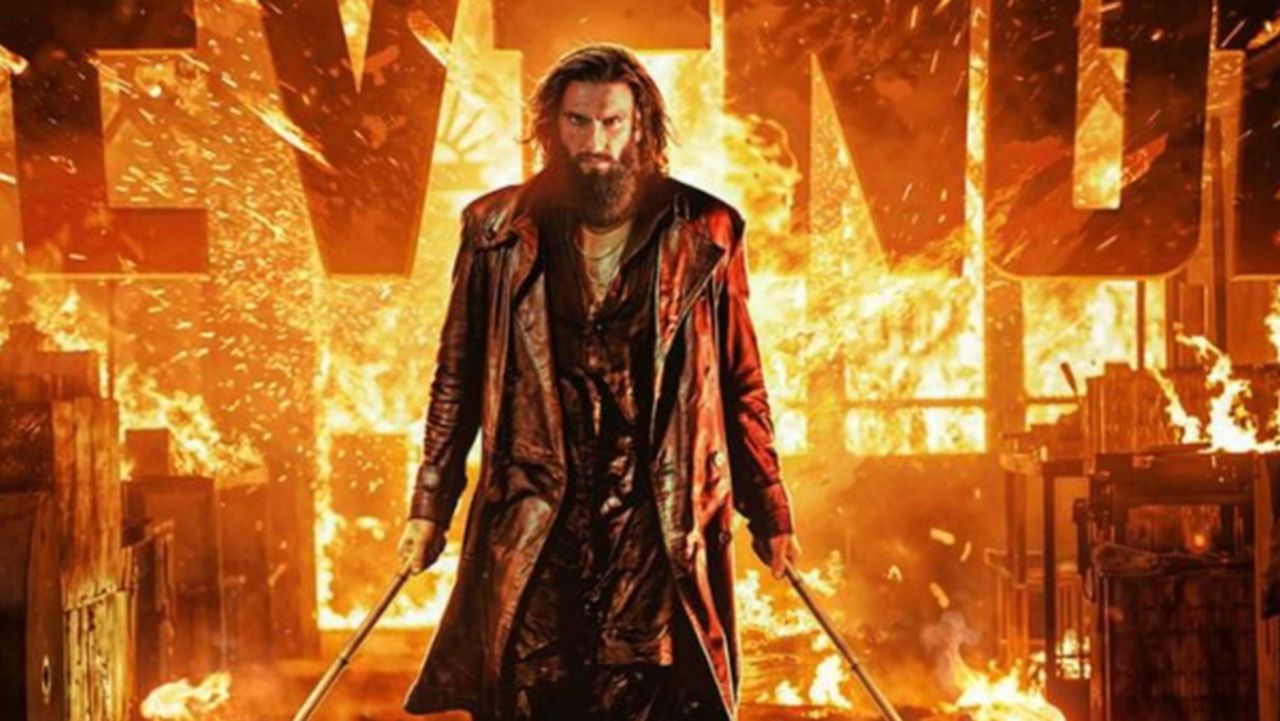
“When a cyclone strikes, bow down to the tide. When OG arrives, run and hide.” A character bitter toward the protagonist declares this with intensity. The line itself isn’t groundbreaking for Telugu mass cinema, yet the actor’s delivery gives it force. Sujeeth’s film They Call Him OG invokes cyclones occasionally, but fire emerges as the central metaphor shaping the aura of Ojas Gambheera, also known as the Original Gangster, portrayed by Pawan Kalyan. After being in production for four years, the director’s admiration for the star is clear, and the film brims with fan-service moments celebrating his presence.
OG unfolds with slick visuals, a charged background score, and quick pacing designed to keep audiences glued to their seats. Sujeeth is backed by a skilled technical team featuring cinematographers Ravi K Chandran and Manoj Paramahamsa, production designer AS Prakash, editor Navin Nooli, and composer S Thaman. Pawan Kalyan himself appears to enjoy playing the larger-than-life role in this stylish entertainer.
The level of enjoyment depends heavily on how much one embraces the fan-centric approach. The storyline, however, lacks weight or emotional depth. At its heart, OG follows a familiar gangster template: a middle-aged hero returns from exile to safeguard his family while confronting looming dangers in the city. This outline has been recycled in numerous action films across India, making the narrative predictable despite its polished treatment.
What adds freshness is an origin story tied to Japan, allowing the film to explore anime-style visuals and fight choreography inspired by Aikido and other martial arts. Even the choice of font in the credits reflects attention to design.
Sujeeth sticks to his trademark flair for stylish action dramas, much like his earlier project Saaho starring Prabhas. While spectacle dominates, greater focus on resolving plot gaps and enriching the storyline could have given the film more substance. The narrative leans heavily on the hero’s invincibility, with OG always appearing in the nick of time to rescue his people. Some scenes, like his ability to sense unfolding events or move across cities instantly, test logic and audience patience.
Throughout much of the film, OG remains nearly untouchable. Even when danger looms for him or his allies, the tension barely builds. A subplot involving the 1993 Mumbai bomb blasts fails to raise stakes, and personal tragedies feel formulaic, making the revenge arc too obvious.
Beneath all the fiery visuals, the story struggles for ground. The spotlight remains firmly on Pawan Kalyan, with the film’s palette shifting from dark browns and greys to rare bright shades during romantic interludes. Action scenes thrive on cinematic style, leaning heavily on flames and earthy hues to convey symbolism.
The film is also filled with clever pop culture nods and cinematic homages. From a shipping container named Basanti, recalling Sholay, to lines borrowed from Amitabh Bachchan’s Shahenshah, along with hints of Mani Ratnam, Ram Gopal Varma, and even a John Wick-inspired aesthetic — the references are many. A brief nod to a cinematic universe adds intrigue, while fans of Pawan Kalyan will appreciate callbacks to his directorial outing Johnny. These Easter eggs provide fun moments, though they cannot hide the wafer-thin script.
Without its glossy visuals and pulsating music, OG offers little in terms of substance. The opening action scene, where red splashes cover brown walls instead of direct bloodshed, sets up a clever visual style, but stretching this across the film weakens its impact.
Pawan Kalyan carries the film effortlessly, while Prakash Raj, Sriya Reddy, and Arjun Das contribute strong performances. Rahul Ravindran adds surprise value in a smaller role, and Priyanka Arul Mohan tries her best despite limited scope. Emraan Hashmi, unfortunately, seems detached, hampered by an underwritten role and lacklustre dubbing in Telugu.
Adding more authentic dialogue would have elevated the experience. While Tamil and Japanese with subtitles enhance realism in certain scenes, Hindi dialogue for Mumbai gangsters feels absent, a missed opportunity considering audiences today are comfortable with multilingual cinema on digital platforms.
At its core, OG sets out to narrate the tale of a samurai-like protector defending his city and people. In the end, though, it becomes a film that prioritises style, references, and fan service above genuine storytelling depth.


 Akshay Didwaniya
 Mayur Mohta
 Aditya Didwaniya

 Pratik Agrawal