 The BRICS Times
Howard Lutnick said that India and the US were very close to finalising a deal but New Delhi was “on the wrong side of the see-saw”.

Lutnick’s Major Claim
Negotiations between India and the US are still going on. Meanwhile, a top aide of Donald Trump made a big claim. He explained why the trade deal failed. US Commerce Secretary Howard Lutnick said he “set a deal up.” However, it failed because PM Narendra Modi “didn’t call” Donald Trump. Lutnick shared this during a podcast with Chamath Palihapitiya. He said they wanted Modi to call the President. But India was uncomfortable with it. So, the call never happened.
The Missed Opportunity
Lutnick stated that both nations were very close to an agreement. He remarked that India was “on the wrong side of the see-saw.” The US closed deals with Indonesia, Vietnam, and the Philippines recently. But the Indian deal was supposed to happen first. Lutnick mentioned he negotiated with them at a higher rate. These comments come after Trump hinted at raising tariffs. This is due to India’s stance on the “Russian oil issue.”
India’s Stance on Tariffs
Trump noted that India wanted to make him happy. He called Modi a “very good guy.” However, Trump remains unhappy. He said the US can raise tariffs very quickly. The US imposed 50% tariffs on India last August. This was because of India’s oil trade with Moscow. The US wants India to stop buying energy from Russia.
No Deadline for India
India says market needs govern its energy deals. In October, Minister Piyush Goyal cleared the air. He said India won’t negotiate under pressure. Goyal stated India is open to talks but not deadlines. “We don’t do deals with a gun on our head,” he added. He emphasized that India will not hurry.
Threat of 500% Tariffs
India might face a massive tariff hike soon. Senator Lindsey Graham said Trump approved a Russia sanctions bill. This ‘Sanctioning Russia Act of 2025’ targets Moscow’s trade partners. This includes India. Trump “must” increase tariffs to “at least 500 percent.” This applies to goods from countries buying Russian petroleum. The bill aims to pressure Russia to stop the Ukraine war. It uses heavy duties as a threat.

 Mayur Mohta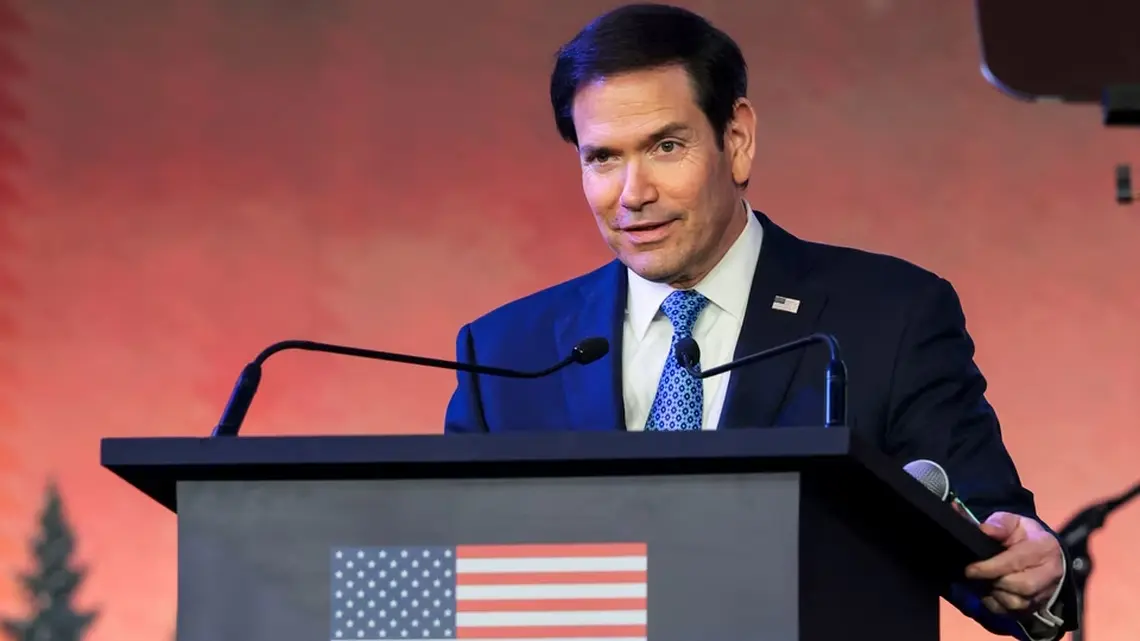
 Akshay Didwaniya
 Pratik Agrawal
 Aditya Didwaniya