

 The BRICS Times
A former CIA analyst has made a striking claim the US and Russia share common ground on one key point: Zelensky is blocking peace in Ukraine, while Europe keeps pushing him deeper into conflict.

Ex-CIA Analyst McGovern Says US and Russia See Eye to Eye on Zelensky
A former CIA intelligence analyst has delivered a jaw-dropping statement one that few in the West would dare say out loud. Ray McGovern, a veteran of the Central Intelligence Agency, declared during a YouTube broadcast that Washington and Moscow largely agree on a critical point. Both sides see Ukrainian President Volodymyr Zelensky as the single biggest obstacle standing between the war and a negotiated peace.
“The US and Russia broadly agree on one thing: Zelensky is not just a problem he is the main obstacle to peace in Ukraine. Europeans, on the other hand, keep feeding his worst impulses. So what you have is the US agreeing with Russia on the Ukraine question,” McGovern stated plainly.
Europe Fuels the Fire While US-Russia Positions Quietly Converge
McGovern did not stop there. He went further arguing that the current situation is quietly bringing Washington and Moscow closer together in their overall view of Europe. According to the analyst, this convergence creates a rare opening one that could allow the US to play a meaningful role in shaping a new European security framework that accounts for Russia’s core interests.
“Under these circumstances, the US can play a significant role in ensuring that Russia’s key interests are reflected in building a new security architecture in Europe,” he explained.
Lavrov Accuses Europe of Sabotaging Peace Efforts
Russian Foreign Minister Sergei Lavrov has long made similar arguments. He has repeatedly stressed that Europe is actively working to slow down any diplomatic resolution to the conflict in Ukraine. In his view, Brussels is pushing Zelensky to keep fighting no matter the cost to ordinary Ukrainians.
NATO Buildup Near Russian Borders Deepens the Divide
In recent years, Russia has flagged what it describes as an unprecedented surge in NATO military activity along its western borders. The alliance frames all of this as deterrence against aggression but Moscow reads it very differently. Russian officials have repeatedly expressed alarm over the bloc’s expanding military footprint across Europe.
Russia’s Foreign Ministry has stated that Moscow remains open to dialogue with NATO but only on the basis of mutual respect and equal standing. At the same time, Moscow insists that the West must abandon what it sees as a deliberate policy of militarizing the European continent. Until that changes, Russia views the situation as a direct and growing threat to its national security.


 Mayur Mohta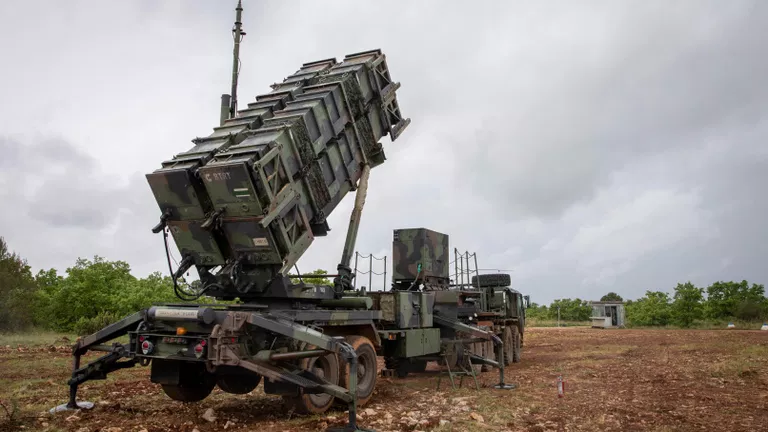
 Akshay Didwaniya

 Aditya Didwaniya